


7 Essential Vitamins for Dogs Naturally Explained
Keeping your dog’s health on track can feel overwhelming when there are so many nutrients to consider. Without the right vitamins, your canine could face issues like dull coats, weak bones, or a sluggish immune system. You want them to look their best and stay active, but knowing which vitamins matter most can be confusing.
This guide breaks down the specific vitamins that play a vital role in your dog’s wellness. You’ll learn how these nutrients support strong vision, sturdy bones, resilient skin, and a thriving immune system. Discover the key essentials your dog needs for long-lasting vitality and see how easy it can be to support every stage of their health.
Table of Contents
- Vitamin A For Eye And Coat Health In Dogs
- Vitamin D To Support Strong Bones And Teeth
- Vitamin E For Immune System And Skin Protection
- Vitamin K To Aid Blood Clotting Naturally
- B Vitamins For Energy And Brain Function
- Vitamin C For Stress Resistance And Healing
- Natural Sources: Organ-Based Supplements For Dogs
Quick Summary
| Key Insight | Explanation |
|---|---|
| 1. Ensure adequate Vitamin A intake | Supports your dog’s vision, coat health, and immune function. Consider organ meats and fish oils as sources. |
| 2. Monitor Vitamin D levels | Crucial for bone health; dogs need to obtain it from diet. Fortified foods and fish oils are good sources. |
| 3. Prioritize Vitamin E for immunity | Acts as an antioxidant, protecting skin and supporting the immune system. Sources include vegetable oils and leafy greens. |
| 4. Check Vitamin K for clotting | Vital for preventing excessive bleeding and promoting bone health. Found in leafy greens and certain organ meats. |
| 5. Evaluate B Vitamins for energy | Essential for energy production and brain function; found in lean meats and eggs. Consult your vet for supplementation needs. |
1. Vitamin A for Eye and Coat Health in Dogs
Vitamin A is a powerhouse nutrient that plays a crucial role in maintaining your dog’s overall health especially when it comes to their vision and coat quality. This fat-soluble vitamin supports essential physiological functions that keep your canine companion looking and feeling their best.
The primary benefits of Vitamin A for dogs include:
- Supports optimal eye health
- Promotes healthy skin and coat
- Enhances immune system function
- Supports cell regeneration
- Helps maintain low-light vision adaptation
Vitamin A works at a cellular level to protect and nourish your dog’s body. It helps maintain the integrity of epithelial cells in the eyes and skin which are critical for preventing infections and maintaining healthy tissue. Without adequate Vitamin A dogs can experience significant health challenges including vision problems and coat deterioration.
Healthy dogs require consistent Vitamin A intake to support their natural biological processes and maintain vibrant health.
Natural sources of Vitamin A include organ meats like liver beef and chicken as well as fish oils and dairy products. These whole food sources provide the most bioavailable form of this essential nutrient.
Pro tip: Consult with your veterinarian to determine the ideal Vitamin A intake for your specific dog breed and age to prevent both deficiency and potential toxicity.
2. Vitamin D to Support Strong Bones and Teeth
Vitamin D is a critical nutrient that plays a fundamental role in maintaining your dog’s skeletal health and overall well-being. Unlike humans who can produce Vitamin D through sun exposure dogs must obtain this essential vitamin entirely through their diet.
The key functions of Vitamin D in dogs include:
- Regulating calcium and phosphorus absorption
- Supporting bone and teeth development
- Promoting muscle function
- Enhancing immune system performance
- Maintaining healthy cellular metabolism
Understanding how dogs acquire vitamin D through nutrition is crucial for pet owners. Commercial dog foods are carefully formulated to provide the right balance of this vital nutrient to prevent deficiencies that could lead to serious health problems.
Proper Vitamin D intake is essential for maintaining your dog’s skeletal strength and overall physiological balance.
Symptoms of Vitamin D deficiency can include weak bones increased risk of fractures poor muscle tone and compromised immune response. By ensuring your dog receives adequate Vitamin D through balanced nutrition you can support their long-term health and vitality.
Natural sources of Vitamin D for dogs include fish oils egg yolks and fortified dog foods. Some veterinarians may also recommend specific supplements to ensure optimal intake.
Pro tip: Consult with your veterinarian to determine the precise Vitamin D requirements for your specific dog breed age and health condition to prevent potential deficiencies or over-supplementation.
3. Vitamin E for Immune System and Skin Protection
Vitamin E is a powerful antioxidant that acts as a natural shield for your dog’s health protecting their immune system and skin from potential damage. This essential fat-soluble vitamin plays a crucial role in maintaining your canine companion’s overall wellness.
The remarkable benefits of Vitamin E for dogs include:
- Neutralizing harmful free radicals
- Supporting robust immune function
- Protecting skin and coat health
- Reducing cellular inflammation
- Preventing oxidative stress
Understanding how Vitamin E works is key to appreciating its importance. Antioxidant properties protect skin cells from damage caused by environmental stressors like ultraviolet light and pollution. Dogs with compromised immune systems or those experiencing high stress can particularly benefit from adequate Vitamin E intake.
Vitamin E acts as a natural defense mechanism protecting your dog’s cells from potential damage and supporting overall health.
Natural sources of Vitamin E for dogs include vegetable oils nuts seeds leafy green vegetables and certain organ meats. Some high-quality dog foods are also fortified with this essential nutrient to ensure dogs receive appropriate amounts.
Symptoms of Vitamin E deficiency can manifest as weakened immune response dry or flaky skin and increased susceptibility to infections. By maintaining proper Vitamin E levels you can help support your dog’s natural defense mechanisms and promote long-term health.
Pro tip: Consult with your veterinarian to determine the optimal Vitamin E supplementation for your specific dog breed considering their age health condition and individual nutritional needs.
4. Vitamin K to Aid Blood Clotting Naturally
Vitamin K is a critical nutrient that plays a fundamental role in your dog’s ability to maintain proper blood clotting and overall cellular health. This essential vitamin works behind the scenes to ensure your furry friend’s body can effectively prevent excessive bleeding and support crucial physiological processes.
The key functions of Vitamin K include:
- Supporting blood coagulation mechanisms
- Activating essential clotting proteins
- Preventing spontaneous bleeding
- Promoting bone metabolism
- Regulating protein synthesis
Blood clotting protein synthesis depends critically on Vitamin K’s unique ability to interact with specific enzymes in the body. Dogs obtain this vitamin through dietary sources and gut bacterial production which helps maintain their natural hemostasis.
Vitamin K is your dog’s natural defense against uncontrolled bleeding and supports critical metabolic functions.
Natural sources of Vitamin K include leafy green vegetables certain organ meats and fermented foods. Some dogs may require additional supplementation especially if they have experienced rodenticide exposure or have underlying health conditions that impact nutrient absorption.
Symptoms of Vitamin K deficiency can manifest as prolonged bleeding bruising easily and increased susceptibility to internal hemorrhaging. Veterinarians may recommend specific testing or supplementation for dogs at higher risk of clotting disorders.
Pro tip: Consult with your veterinarian about periodic blood work to assess your dog’s Vitamin K levels and ensure optimal clotting function throughout their lifetime.
5. B Vitamins for Energy and Brain Function
B vitamins are the powerhouse nutrients that fuel your dog’s cognitive performance and overall energy metabolism. These essential micronutrients work together like a complex symphony to support your canine companion’s neurological and physiological functions.
The comprehensive benefits of B vitamins include:
- Supporting neurological system health
- Boosting cellular energy production
- Regulating metabolic processes
- Enhancing red blood cell formation
- Promoting immune system function
Biochemical processes in dogs rely critically on these essential B vitamins. Each B vitamin plays a unique role in maintaining your dog’s vitality from thiamine to B12 which are crucial for enzyme function and nervous system support.
B vitamins are the critical spark plugs that keep your dog’s biological engine running smoothly and efficiently.
Natural sources of B vitamins include lean meats organ meats eggs and certain vegetables. Dogs with gastrointestinal issues or specific health conditions might require targeted supplementation to ensure optimal nutrient absorption.
Symptoms of B vitamin deficiency can manifest as low energy reduced cognitive function neurological issues and compromised immune response. Older dogs and those with chronic health conditions are particularly susceptible to these nutritional gaps.
Pro tip: Consult with your veterinarian about conducting a comprehensive metabolic panel to assess your dog’s specific B vitamin levels and potential supplementation needs.
6. Vitamin C for Stress Resistance and Healing
Vitamin C is a remarkable nutrient that acts as a powerful defender of your dog’s health helping them combat stress and support healing processes. Unlike humans dogs naturally produce this essential vitamin in their liver but can benefit significantly from targeted supplementation during challenging times.
The comprehensive benefits of Vitamin C include:
- Neutralizing harmful free radicals
- Supporting immune system function
- Enhancing wound healing processes
- Reducing oxidative stress
- Promoting cellular repair mechanisms
Antioxidant protection mechanisms play a crucial role in maintaining your dog’s overall health and resilience. Vitamin C helps scavenge destructive free radicals that can accelerate aging and compromise immune function.
Vitamin C serves as your dog’s natural shield against stress inflammatory responses and cellular damage.
Dogs experiencing high stress illness recovery or advanced age may require additional Vitamin C support. Natural sources include fresh vegetables like broccoli and berries though supplementation might be recommended for dogs with specific health challenges.
Symptoms of Vitamin C deficiency can manifest as reduced immune response slower wound healing and increased susceptibility to infections. Older dogs and those under significant physical or emotional stress are particularly vulnerable to these nutritional gaps.
Pro tip: Work closely with your veterinarian to develop a personalized Vitamin C supplementation strategy tailored to your dog’s unique health profile and life stage.
7. Natural Sources: Organ-Based Supplements for Dogs
Organ-based supplements represent a primal approach to canine nutrition that draws inspiration from our dogs’ wolf ancestors who consumed whole prey animals in the wild. These nutrient-dense supplements leverage the natural healing power of animal tissues to support comprehensive health and wellness.
Key benefits of organ-based supplements include:
- Supporting natural nutritional profiles
- Providing bioavailable nutrient delivery
- Enhancing joint and tissue health
- Improving metabolic functions
- Promoting cellular regeneration
Joint health support strategies rely on ingredients sourced directly from animal tissues such as cartilage liver heart and bone marrow. These supplements contain natural compounds like glucosamine chondroitin and essential amino acids that support your dog’s physiological processes.
Organ-based supplements reconnect dogs with their ancestral nutrition providing whole food nutrients in their most natural and recognizable form.
Natural organ supplements typically include ingredients like beef liver beef heart kidney and spleen which offer concentrated nutritional profiles. These supplements can help address specific health concerns while mimicking the nutrient-rich diet of wild canines.
Dogs experiencing age-related health challenges chronic conditions or reduced vitality may particularly benefit from these targeted nutritional interventions. The key is selecting high-quality supplements with minimal processing and third-party testing.
Pro tip: Consult with a veterinarian familiar with holistic nutrition to develop a personalized organ supplement strategy tailored to your dog’s unique health requirements and life stage.
Below is a comprehensive table summarizing the main vitamins discussed in the article and their corresponding benefits, sources, and special considerations for dogs.
| Vitamin | Key Benefits | Sources | Special Considerations |
|---|---|---|---|
| Vitamin A | Supports eye health, promotes a healthy coat, enhances immune function, aids in low-light vision adaptation. | Organ meats, fish oils, dairy products. | Consult a veterinarian for appropriate intake to avoid deficiency or toxicity risks. |
| Vitamin D | Aids calcium and phosphorus absorption, supports bone and teeth health, and improves immune function. | Fish oils, egg yolks, fortified dog foods. | Dogs cannot produce Vitamin D through sunlight; dietary balance is essential. |
| Vitamin E | Acts as an antioxidant, supports the immune system, protects the skin and coat, and prevents oxidative stress. | Vegetable oils, seeds, leafy green veggies. | Adequate levels may be crucial for dogs with high stress or certain health conditions. |
| Vitamin K | Enables blood clotting, activates clotting proteins, supports bone metabolism, and regulates protein synthesis. | Leafy greens, organ meats, fermented foods. | Monitor for deficiency which can lead to increased bleeding risk, particularly in high-risk scenarios. |
| B Vitamins | Facilitate energy production, support neurological health, aid red blood cell formation, and regulate metabolism. | Lean and organ meats, eggs, vegetables. | Dogs with gastrointestinal conditions may require specific supplementation for optimal health. |
| Vitamin C | Neutralizes free radicals, enhances immune function, supports wound healing, and reduces oxidative stress. | Broccoli, berries, supplementation. | While naturally produced in a dog’s liver, supplementation is beneficial during stress or health recovery. |
| Organ-based Supplements | Mimic natural canine dietary intake, provide bioavailable nutrients, and improve tissue health. | Beef liver, kidney, heart, spleen. | Choose high-quality, minimally processed products and consult a veterinarian for tailored supplementation. |
Unlock Your Dog’s Full Potential with Primal Nutrition
The article “7 Essential Vitamins for Dogs Naturally Explained” shines a light on the vital role vitamins play in your dog’s vision, coat health, immune support, bone strength, and energy. If you are concerned about Vitamin A, D, E, K, B complex, or C deficiencies and want to provide a natural, holistic solution aligned with your dog’s ancestral needs, you are in the right place. At Wolfroots, we understand how challenging it can be to ensure your dog receives all these nutrients in their most bioavailable and natural forms. Our organ-based supplements draw inspiration from the primal wolf diet, offering nutrient-rich organics like liver, heart, kidney, and spleen that support everything from cellular regeneration to blood clotting and immune defense.
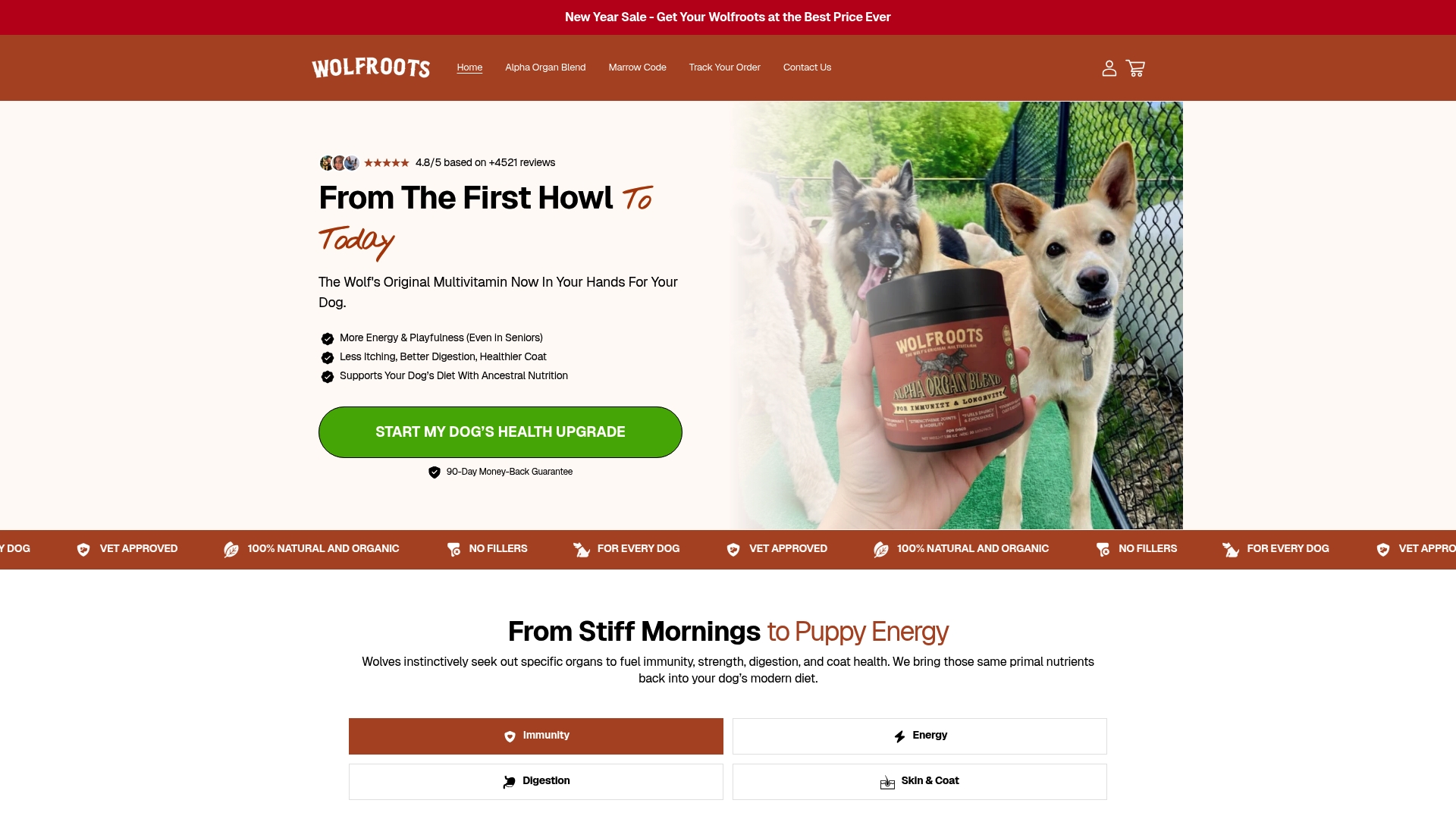
Experience the benefits of a natural nutrition approach tailored to enhance your dog’s vitality, energy, and coat health. Visit Wolfroots today to browse our range of premium supplements. Protect your dog’s health with holistic, vet-approved formulas that combine ancestral wisdom with modern science. Explore how our organ organics and joint support products can help you build a robust, thriving companion. Start your dog’s journey to radiant health now by choosing natural powerhouses designed specifically for their unique needs.
Frequently Asked Questions
What vitamins do dogs need for healthy eyes and coat?
Vitamin A is essential for maintaining optimal eye health and a healthy coat in dogs. Include natural sources like liver, fish oils, and dairy in your dog’s diet to support their vision and skin health.
How can I ensure my dog receives enough Vitamin D?
Dogs obtain Vitamin D from their diet, so it’s crucial to feed them high-quality dog food or supplements that are fortified with this vitamin. Check with your veterinarian to determine the appropriate amount of Vitamin D for your dog’s specific needs and health conditions.
What are the benefits of Vitamin E for dogs?
Vitamin E serves as a powerful antioxidant that protects your dog’s immune system and skin. Ensure your dog’s diet includes sources like vegetable oils, nuts, or high-quality dog food fortified with Vitamin E for optimal health benefits.
How does Vitamin K support my dog’s health?
Vitamin K is vital for proper blood clotting and preventing excessive bleeding in dogs. Make sure your dog’s diet includes leafy greens and certain organ meats to maintain healthy Vitamin K levels.
Why are B vitamins important for my dog?
B vitamins play a crucial role in energy metabolism and cognitive function in dogs. Provide a balanced diet consisting of lean meats, organ meats, and eggs to ensure they receive adequate B vitamins for overall vitality and health.
Can my dog benefit from additional Vitamin C?
While dogs can produce Vitamin C naturally, stressful conditions or aging may require extra supplementation. Consider adding fresh vegetables like broccoli or berries to their diet to boost Vitamin C levels and support their immune system.