


Why Dogs Need Multivitamins for Optimal Vitality
Finding quality nutrition for senior dogs can feel challenging when regular pet food no longer meets all their needs. Aging pets in the United States often face nutrient gaps that affect vitality, joint comfort, and immune resilience. Vet-approved, natural multivitamins offer targeted support that addresses deficiencies linked to age, diet, and health conditions. This guide empowers health-conscious dog owners with practical insights to help maintain wellness and energy for beloved companions throughout their golden years.
Table of Contents
- What Are Dog Multivitamins and Their Purpose
- Common Nutrient Deficiencies in Senior Dogs
- Types of Multivitamins: Synthetic vs. Natural Blends
- Benefits of Primal and Organ-Based Supplements
- How to Select Safe, Vet-Approved Multivitamins
Key Takeaways
| Point | Details |
|---|---|
| Importance of Dog Multivitamins | Dog multivitamins provide essential nutrients that support canine health and address dietary gaps, particularly in aging or ill dogs. |
| Common Deficiencies in Senior Dogs | Senior dogs are at risk for key nutrient deficiencies, such as protein quality and Omega-3 fatty acids, which can negatively impact their health. |
| Types of Multivitamins | There are two primary types of multivitamins: synthetic, which are lab-engineered, and natural blends, derived from whole food sources. |
| Vet Consultation is Essential | Always consult a veterinarian before introducing supplements to ensure they meet your dog’s specific health needs. |
What Are Dog Multivitamins and Their Purpose
Dog multivitamins are specialized dietary supplements designed to provide essential nutrients that support canine health beyond standard nutrition. Unlike conventional pet foods, these supplements offer a targeted approach to filling critical nutritional gaps, especially for dogs experiencing age-related changes or specific health challenges.
According to veterinary nutrition experts at Tufts University Foster Hospital, dog multivitamins serve several critical purposes:
- Provide essential vitamins and minerals missing from regular diets
- Support immune system functionality
- Enhance joint and mobility health
- Improve skin and coat condition
- Boost overall energy metabolism
These supplements become particularly important when a dog’s diet might be nutritionally incomplete. The National Institutes of Health Office of Dietary Supplements notes that while there’s no strict regulatory standard for dog multivitamins, they fundamentally aim to complement standard nutrition and prevent potential deficiencies.
Modern dog multivitamins often contain a strategic blend of key nutrients like vitamin A, B-complex vitamins, vitamin D, calcium, phosphorus, and trace minerals. These components work synergistically to support various bodily functions, from cellular repair to metabolic processes.
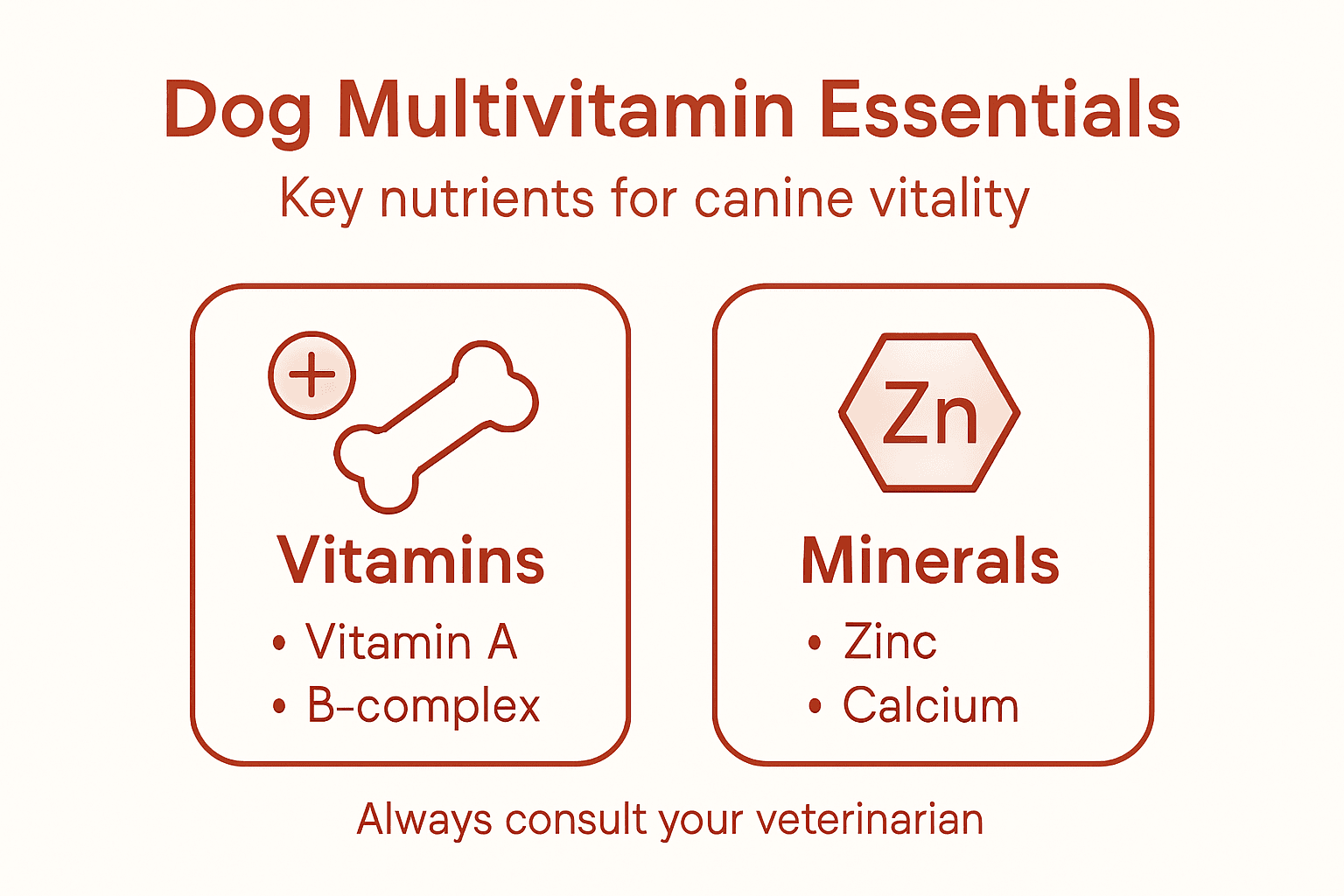
This summary table highlights core nutrients and their main roles in dog multivitamins:
| Key Nutrient | Primary Function | Impact on Health |
|---|---|---|
| Vitamin A | Vision and immune support | Maintains healthy eyesight |
| B-Complex Vitamins | Energy and metabolism | Supports cellular functions |
| Vitamin D | Calcium absorption | Strengthens bones and teeth |
| Calcium | Bone structure | Prevents skeletal weakness |
| Phosphorus | Muscle contraction | Enhances vitality and strength |
| Trace Minerals | Enzyme activation | Promotes overall health |
Nutritional Targets for Dog Multivitamins:
- Senior dogs with decreased nutrient absorption
- Dogs on restricted or homemade diets
- Pets with chronic health conditions
- Working or highly active dogs
- Breeds prone to specific nutritional deficiencies
Dog multivitamins are not a replacement for a balanced diet, but a strategic nutritional enhancement to support optimal canine health.
Pro tip: Always consult with your veterinarian before starting any new supplement regimen to ensure it matches your dog’s specific health profile and nutritional needs.
Common Nutrient Deficiencies in Senior Dogs
As dogs age, their nutritional needs become increasingly complex and challenging. Senior dog nutrition guidelines reveal a critical landscape of potential nutrient deficiencies that can dramatically impact their overall health and quality of life.
The most common nutrient deficiencies in senior dogs include:
- Protein Quality: Reduced muscle protein synthesis
- B12 Vitamin: Decreased absorption capabilities
- Calcium: Lower bone density support
- Omega-3 Fatty Acids: Reduced anti-inflammatory protection
- Antioxidants: Weakened cellular defense mechanisms
According to the 2023 AAHA Senior Care Guidelines, these nutritional gaps can contribute to several age-related health challenges. Senior dogs often experience muscle mass reduction, chronic inflammation, and compromised immune responses due to these deficiencies.
Key Impact Areas of Nutrient Deficiencies:
- Muscle deterioration
- Cognitive function decline
- Weakened immune system
- Reduced joint mobility
- Slower cellular repair processes
Nutrient deficiencies in senior dogs are not inevitable but require proactive nutritional management and targeted supplementation.
Pro tip: Conduct regular veterinary nutritional assessments to identify and address potential nutrient deficiencies before they significantly impact your senior dog’s health.
Types of Multivitamins: Synthetic vs. Natural Blends
Navigating the world of dog multivitamins reveals two primary formulation approaches: synthetic and natural blends. Multivitamin composition research demonstrates that each type offers unique advantages for canine nutrition, with pet owners increasingly seeking personalized solutions for their dogs’ health needs.
Synthetic Multivitamin Characteristics:
- Precisely measured nutrient levels
- Chemically engineered vitamin compounds
- Consistent dosage and concentration
- Lower production costs
- Longer shelf stability
Natural multivitamin blends, by contrast, derive nutrients from whole food sources. Scientific vitamin comparisons indicate these formulations often include additional beneficial cofactors that enhance nutrient absorption and biological compatibility.
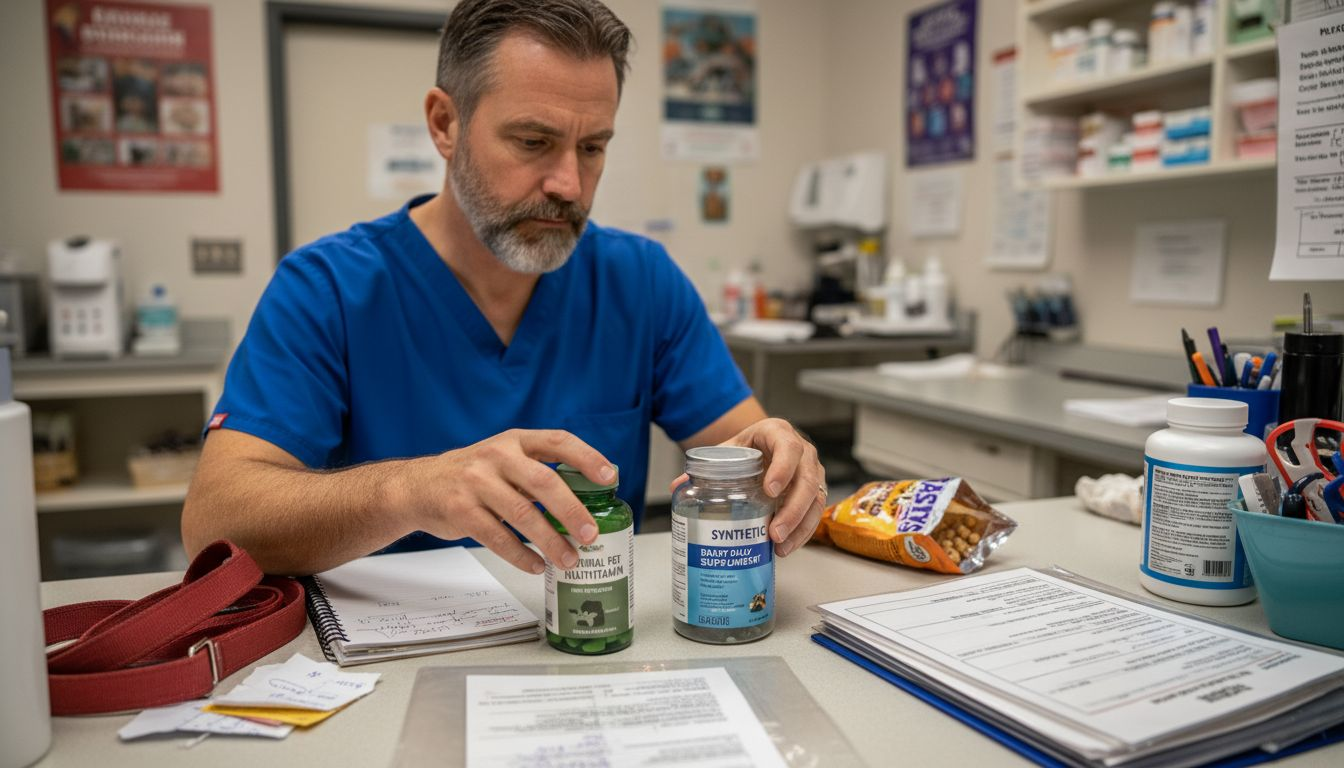
The following comparison outlines distinguishing features of synthetic versus natural multivitamin blends:
| Feature | Synthetic Multivitamins | Natural Multivitamins |
|---|---|---|
| Source | Lab-engineered ingredients | Whole food extracts |
| Nutrient Profile | Precisely standardized amounts | Broader nutrient variability |
| Shelf Life | Extended stability | May be shorter |
| Ingredient Purity | Highly filtered compounds | Multiple cofactors and enzymes |
Comparative Factors for Multivitamin Selection:
- Bioavailability of nutrients
- Ingredient source transparency
- Potential allergen considerations
- Veterinary recommended formulations
- Individual dog’s specific health requirements
Not all multivitamins are created equal - the source and composition matter significantly for optimal canine health.
Pro tip: Consult with your veterinarian to determine which multivitamin type best matches your dog’s unique nutritional profile and health needs.
Benefits of Primal and Organ-Based Supplements
Primal nutrition represents a revolutionary approach to canine health, drawing inspiration from ancestral dietary patterns. Joint health research reveals that organ-based supplements offer a concentrated, bioavailable nutritional strategy that mimics the natural feeding patterns of wild canines.
Key Benefits of Primal and Organ-Based Supplements:
- Enhanced joint mobility and cartilage repair
- Natural anti-inflammatory properties
- Concentrated nutrient delivery
- Improved enzyme and metabolic function
- Support for immune system resilience
Canine nutrition experts highlight that organ supplements like liver and kidney powders provide a complex matrix of nutrients that conventional diets often lack. These minimally processed supplements preserve essential enzymes and trace minerals, offering a more holistic approach to nutritional support.
Primary Nutritional Advantages:
- Supports cellular regeneration
- Enhances metabolic efficiency
- Provides targeted organ-specific nutrition
- Reduces inflammation naturally
- Improves overall vitality and energy levels
Primal supplements tap into the ancestral nutritional blueprint, delivering nutrients in their most bioavailable and natural form.
Pro tip: Select organ-based supplements that are sourced from grass-fed, pasture-raised animals to ensure the highest quality and nutritional integrity.
How to Select Safe, Vet-Approved Multivitamins
Choosing the right multivitamin for your dog requires careful consideration and professional guidance. Veterinary nutritional guidelines emphasize the critical importance of selecting supplements that meet rigorous safety and nutritional standards.
Key Criteria for Safe Multivitamin Selection:
- Compliant with AAFCO nutrient profiles
- Recommended by veterinary professionals
- Free from harmful additives
- Tailored to dog’s specific life stage
- Contains bioavailable nutrient forms
Comprehensive nutritional assessments highlight that safe multivitamins should be selected based on individual dog health, dietary requirements, and potential interactions with existing medications. Professional veterinary consultation remains the gold standard for identifying precise nutritional needs.
Critical Evaluation Factors:
- Ingredient transparency
- Manufacturing quality controls
- Third-party testing verification
- Specific health condition considerations
- Age and breed-specific formulations
Not all multivitamins are created equal - professional guidance is essential for selecting the safest, most effective supplement.
Pro tip: Request a detailed nutritional assessment from your veterinarian to ensure the multivitamin precisely matches your dog’s unique health requirements.
Support Your Dog’s Vitality with Nature-Inspired Multivitamins
As the article explains, many dogs face nutritional gaps, especially senior pets and those on limited diets. These deficiencies can cause weak immunity, joint discomfort, and low energy. Addressing these challenges means choosing supplements that deliver bioavailable nutrients like vitamin A, B-complex vitamins, and calcium to support optimal health and mobility. Wolfroots embraces this need by offering primal, organ-based multivitamin blends inspired by ancestral wolf diets. These blends provide natural, holistic nutrition designed to fill critical gaps and promote enhanced immunity, strong bones, and healthy skin.
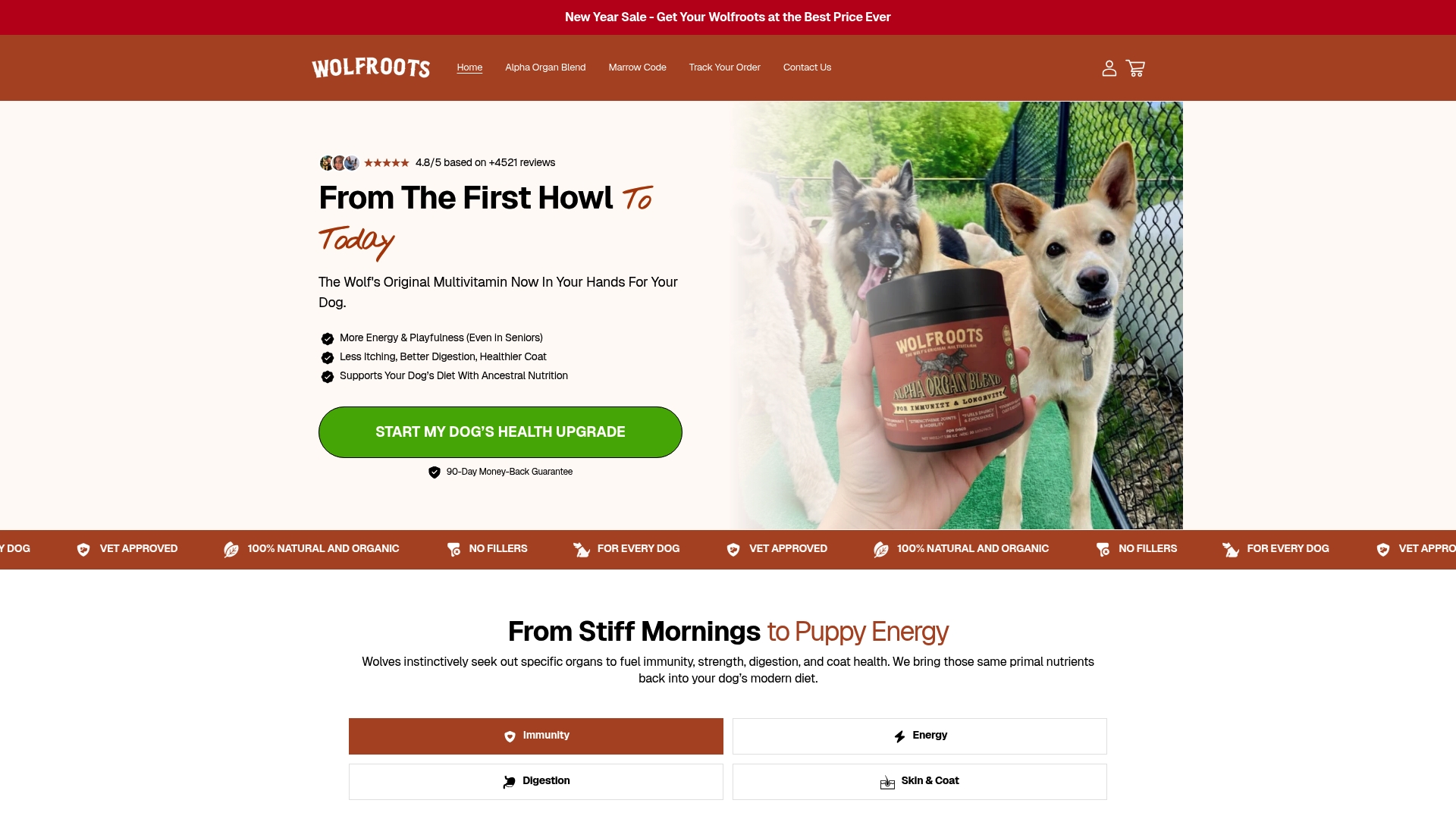
Discover how Wolfroots’ unique organ organics and joint support products can transform your dog’s wellbeing today. Visit Wolfroots to explore natural solutions with trusted vet approval and read customer success stories. Take the step now to give your dog the vitality they deserve with supplements formulated for lasting health benefits. Learn more about our natural pet supplements and start your dog’s journey to greater energy and wellness.
Frequently Asked Questions
Why are multivitamins important for dogs?
Dog multivitamins provide essential vitamins and minerals that may be missing from their regular diet, supporting various aspects of health, including immunity, joint and mobility health, skin and coat condition, and overall energy metabolism.
What nutritional deficiencies are common in senior dogs?
Senior dogs often face deficiencies in protein quality, vitamin B12, calcium, omega-3 fatty acids, and antioxidants, which can lead to muscle deterioration, cognitive decline, weakened immune systems, and reduced joint mobility.
How do synthetic and natural multivitamins differ for dogs?
Synthetic multivitamins are chemically engineered with precise nutrient levels and longer shelf stability, while natural blends derive nutrients from whole foods and often offer additional cofactors that enhance absorption and compatibility.
What should I consider when selecting a multivitamin for my dog?
When choosing a multivitamin, look for those compliant with AAFCO nutrient profiles, recommended by veterinarians, free from harmful additives, and tailored to your dog’s specific life stage and health needs.