


How to introduce dog supplements safely in 2026
Introducing supplements to your dog’s diet can feel overwhelming, especially when nearly 45% of adverse supplement reactions stem from improper introduction methods. Without a clear process, you risk harming your pet instead of helping. This guide provides a step-by-step approach to safely introduce vet-approved natural supplements, ensuring your dog enjoys better health with minimal risk.
Table of Contents
- Prerequisites: What You Need Before Starting
- Stepwise Introduction Process
- Dosage And Frequency Guidelines
- Safety Warnings And Vet Recommendations
- Monitoring And Adjusting Based On Dog’s Response
- Common Mistakes And Troubleshooting
- Expected Timelines And Measurable Outcomes
- Discover Vet-Approved Primal Nutrition Supplements
- FAQ
Key takeaways
| Point | Details |
|---|---|
| Consult your vet first | Vet approval reduces adverse effects by 37% and ensures personalized dosing. |
| Introduce one supplement at a time | Start with a single supplement at low dose for 7-14 days to monitor tolerance before adding more. |
| Adjust based on weight and response | Dose according to your dog’s size and health needs, never exceeding recommended amounts. |
| Watch for warning signs | Monitor for vomiting, diarrhea, or lethargy and consult your vet immediately if problems arise. |
| Expect results within 4-8 weeks | Visible improvements in immunity, joints, and coat typically appear after consistent use and monitoring. |
Prerequisites: what you need before starting
Successful supplement introduction begins with proper preparation. Skipping these essential steps increases your dog’s risk of adverse reactions and reduces potential benefits.
Consult your veterinarian before starting any supplement regimen. Vet approval reduces adverse effects by 37% and helps you avoid dangerous interactions with existing medications. Your vet can recommend appropriate natural pet supplements based on your dog’s unique needs.
Gather your dog’s complete health history. Health history review is critical for safe supplementation. Collect records of:
- Current medications and treatments
- Known allergies or sensitivities
- Pre-existing health conditions
- Recent blood work or diagnostic results
- Previous supplement experiences
Research quality products from reputable sources. Look for senior dog supplements and other formulas with transparent ingredient lists, third-party testing, and clear sourcing information. Vet-approved brands prioritize quality control and safety.
Plan your dosing schedule carefully. Create a gradual introduction timeline based on your dog’s weight, breed, age, and specific health conditions. Smaller dogs require different amounts than larger breeds, and senior dogs often need adjusted doses.
Set up a tracking system. Use a journal, spreadsheet, or mobile app to record daily observations. Track supplement type, dose amount, timing, and your dog’s response including energy levels, appetite, stool quality, and behavior changes.
Pro Tip: Take baseline photos and notes about your dog’s current condition before starting supplements. This helps you measure improvements objectively over time.
Stepwise introduction process
A methodical approach to introducing supplements protects your dog from adverse reactions while helping you identify which products work best.
Follow this proven introduction sequence:
- Select one single-ingredient supplement to start
- Begin at 25-50% of the recommended dose
- Administer at the same time daily for consistency
- Observe your dog closely for 7-14 days
- Gradually increase to full dose if no issues appear
- Wait another 7-14 days before introducing additional supplements
Starting with multiple supplements simultaneously causes 45% of adverse reactions because you cannot identify which product triggered problems. Single-ingredient formulas simplify troubleshooting dramatically.
Monitor these critical tolerance indicators daily:
- Stool consistency and frequency
- Energy levels and activity patterns
- Appetite and water consumption
- Coat appearance and skin condition
- Behavioral changes or mood shifts
Choose single-ingredient supplements before blends. While comprehensive formulas seem convenient, they make it impossible to identify problematic ingredients. Start with individual nutrients, then consider combinations only after establishing tolerance to each component separately.
Document everything systematically. Record the supplement name, exact dose, time given, and any observations. This data becomes invaluable if adverse reactions occur or when consulting your vet about adjusting the protocol.

When improving dog nutrition naturally, patience yields better results than rushing. Taking shortcuts during introduction often leads to setbacks that delay your dog’s health improvements.
Pro Tip: Mix powdered supplements with a small amount of bone broth or wet food to mask any unfamiliar taste during the initial introduction period.
Dosage and frequency guidelines
Proper dosing protects your dog from toxicity while maximizing supplement benefits. Generic recommendations rarely account for individual factors that affect how your dog processes nutrients.
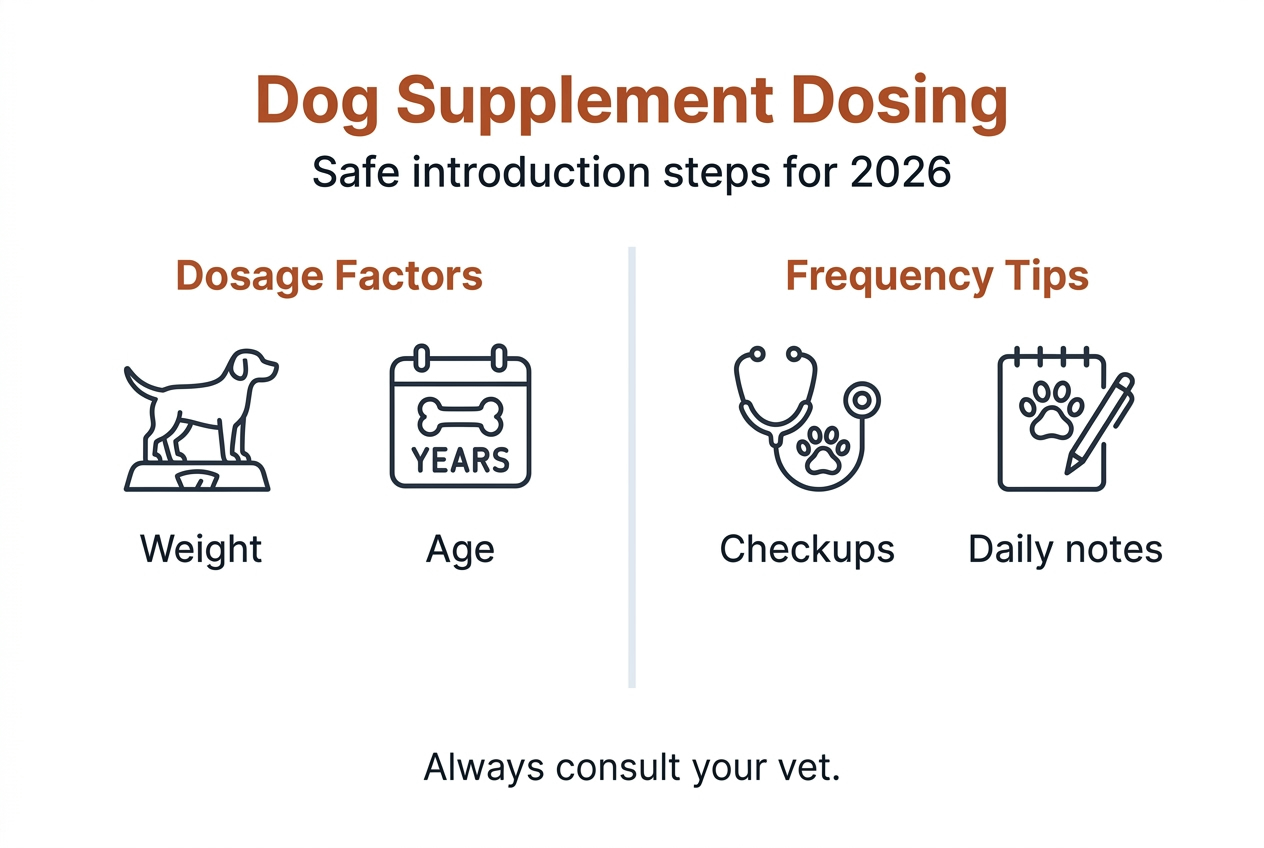
Calculate doses based on your dog’s specific characteristics. Weight serves as the primary factor, but age, breed, activity level, and health status also matter. A 10-pound senior dog needs different amounts than a 10-pound athletic young dog.
Never exceed recommended maximum doses. Over-supplementation increases adverse incidents by 22%, causing kidney strain and digestive disturbances. More is not better when it comes to supplements.
Adjust frequency according to your dog’s response:
- Start with once-daily dosing for most supplements
- Split larger doses into morning and evening portions
- Time fat-soluble vitamins with meals for better absorption
- Give probiotics on an empty stomach when possible
- Maintain consistent timing to establish routine
Keep detailed dosing records. Note exact amounts, timing, and any changes you make. This information helps you and your vet optimize the regimen as your dog responds. When exploring the best dog supplements for 2026, precise tracking reveals which products deliver real results.
Reassess doses regularly with your veterinarian. Your dog’s needs change with age, weight fluctuations, and evolving health conditions. Schedule follow-up appointments to review your supplement protocol and make necessary adjustments based on observable outcomes and lab work.
Weight-based dosing charts provide starting points, but individual variation means your dog might need more or less than average. Work closely with your vet to find the optimal amount for your specific pet.
Safety warnings and vet recommendations
Understanding potential risks and following professional guidance dramatically reduces the chances of supplement-related problems.
Always obtain veterinary approval before starting supplements. Vet approval reduces adverse effects by 37% by ensuring products suit your dog’s unique health profile and do not conflict with existing treatments.
Recognize serious risks associated with improper supplementation:
- Kidney and liver strain from excessive doses
- Digestive upset including vomiting and diarrhea
- Nutrient imbalances affecting overall health
- Dangerous interactions with medications
- Toxic reactions to contaminated products
Over-supplementation risks increase adverse incidents by 22%, making professional oversight essential for safe use.
Avoid abrupt dosage changes. Sudden increases or decreases can trigger adverse reactions even with previously tolerated supplements. Make adjustments gradually over several days, monitoring your dog’s response at each step.
Select vet-recommended brands focused on quality. Look for products with:
- Third-party testing and certification
- Clear ingredient sourcing and transparency
- Good manufacturing practice compliance
- Positive veterinary endorsements
- Documented safety records
When researching dog supplement safety, prioritize brands that invest in quality control and provide detailed product information.
“The majority of supplement-related adverse events in dogs stem from products lacking veterinary oversight or from owners exceeding recommended doses without professional guidance.”
Use professional advice as your primary safety resource. Your veterinarian understands your dog’s medical history, current health status, and potential risk factors better than any online guide. Their personalized recommendations trump generic information.
Monitoring and adjusting based on dog’s response
Careful observation allows you to catch problems early and optimize your supplement regimen for maximum benefit.
Track these key health indicators daily for at least two weeks:
- Behavioral patterns and energy levels
- Stool quality, color, and consistency
- Appetite strength and eating habits
- Water intake and urination frequency
- Coat shine and skin condition
Watch for intolerance signs requiring immediate action. Vomiting, diarrhea, extreme lethargy, loss of appetite, or unusual behavior changes signal potential problems. Stop the supplement immediately and contact your veterinarian.
Reduce or pause supplementation if concerns develop. It is safer to slow down than push through warning signs. Resume only after consulting your vet and receiving clearance to continue.
Consult your veterinarian promptly when issues arise. Professional evaluation helps determine whether symptoms relate to the supplement, an underlying condition, or another factor entirely. Quick intervention prevents minor problems from becoming serious.
Adjust based on observations and expert guidance. Your dog might need a lower dose, different product, or alternative supplement entirely. When monitoring dog health indicators, flexibility and responsiveness matter more than rigid adherence to initial plans.
Remember that starting multiple supplements causes 45% of adverse reactions. If problems occur, knowing which single product to adjust makes troubleshooting straightforward.
Common mistakes and troubleshooting
Avoiding frequent errors saves your dog from unnecessary discomfort and helps you achieve supplement goals faster.
Do not start multiple supplements at once. This common mistake makes identifying problematic products impossible. Introduce one at a time with adequate observation periods between additions.
Never skip veterinary consultation. Some owners assume natural products are automatically safe, but abrupt dosing and ignored vet advice cause 45% of adverse reactions. Professional guidance prevents predictable problems.
Avoid rushing dose increases. Follow gradual increment schedules even when you see no immediate issues. Hidden problems sometimes emerge only at higher doses.
Respond immediately to early warning signs. Dismissing mild symptoms often leads to more serious reactions. Pause supplementation and seek professional advice at the first sign of trouble.
Common fixes for frequent problems:
- Digestive upset: Reduce dose, give with food, or switch brands
- Poor palatability: Mix with favorite treats or bone broth
- Inconsistent results: Ensure proper storage and check expiration dates
- Unclear improvements: Extend observation period to 8-12 weeks
- Multiple intolerances: Consider allergy testing before continuing
When exploring common dog supplement mistakes, learn from others’ experiences to avoid repeating preventable errors.
“Most supplement failures result from impatience or inadequate monitoring rather than ineffective products. Success requires commitment to the gradual introduction process.”
Implement these corrective strategies systematically. Document what you tried, how your dog responded, and what adjustments you made. This creates a personalized roadmap for your dog’s optimal supplement regimen.
Expected timelines and measurable outcomes
Realistic expectations help you stay committed to the process and recognize genuine improvements when they occur.
Joint support supplements typically show effects within 4-8 weeks. About 70% of dogs experience noticeable mobility improvements, reduced stiffness, and increased activity levels during this timeframe. When learning to optimize dog joint health naturally, patience through the initial weeks pays off.
Organ-based supplements can improve immunity markers up to 30% after 8 weeks. These improvements often manifest as fewer illnesses, faster recovery from minor ailments, and better overall resilience.
Coat and energy improvements may appear as early as 4 weeks. Shinier fur, reduced shedding, and increased vitality often show up before other benefits become obvious.
| Supplement Type | Expected Timeline | Measurable Outcomes |
|---|---|---|
| Joint support | 4-8 weeks | Improved mobility, reduced stiffness, increased activity |
| Organ blends | 6-10 weeks | Enhanced immunity markers, better energy, improved digestion |
| Coat/skin formulas | 4-6 weeks | Shinier coat, reduced shedding, healthier skin |
| Digestive aids | 2-4 weeks | Better stool quality, reduced gas, improved appetite |
| Senior vitality | 6-12 weeks | Increased energy, better cognitive function, enhanced quality of life |
Continue monitoring for at least 2 months for full benefit assessment. Some improvements accumulate gradually, becoming more apparent over extended periods.
Use both veterinary assessments and owner observations. Combine your daily tracking with periodic vet checkups and lab work when appropriate. This dual approach provides the most accurate picture of supplement effectiveness.
Exploring dog supplement outcomes for 2026 reveals that consistency and proper monitoring deliver better results than expensive products used incorrectly.
Discover vet-approved primal nutrition supplements
WolfRoots offers natural, vet-approved supplements grounded in primal nutrition principles that simplify safe introduction. Their products feature single-ingredient blends designed for the gradual protocols outlined in this guide.
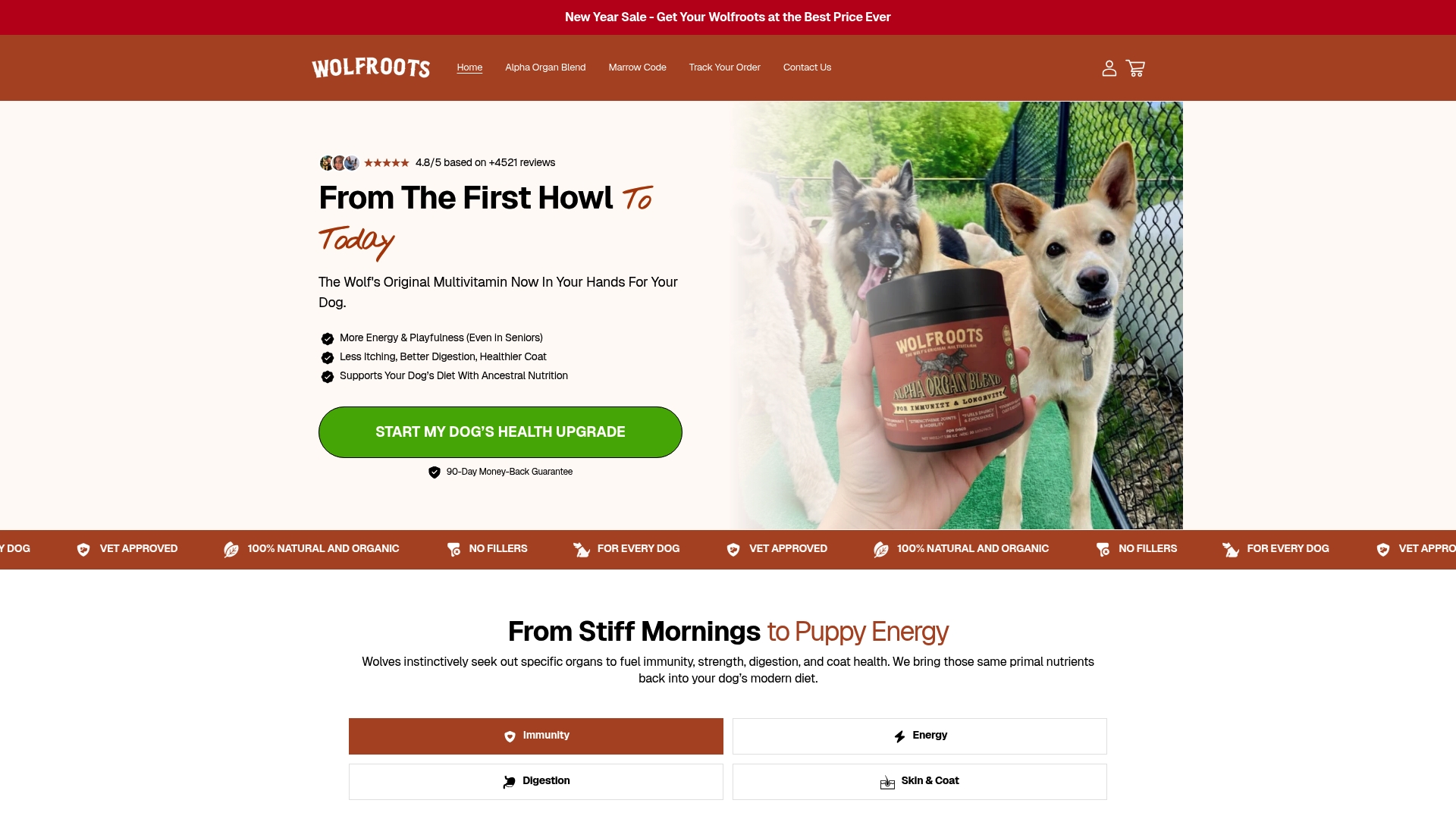
Explore the Alpha Organ Blend to support your dog’s vitality with quality organ-based nutrients inspired by ancestral wolf diets. Each formula undergoes rigorous quality testing to ensure safety and effectiveness.
Visit the WolfRoots homepage to discover their full range of supplements tailored to diverse canine health needs. From joint support to immunity boosters, their trusted products help you implement the introduction strategies covered in this guide with confidence.
FAQ
How long should I wait before adding a new supplement?
Wait at least 7 to 14 days after safely introducing one supplement before adding another. This observation period helps you identify adverse reactions clearly and attribute them to the correct product.
What signs indicate my dog isn’t tolerating a supplement?
Watch for vomiting, diarrhea, lethargy, loss of appetite, or behavioral changes as possible intolerance signs. Pause supplementation immediately and consult your vet if any of these symptoms appear.
Can I introduce supplements without veterinary advice if they are natural?
No, even natural supplements can cause adverse effects without proper veterinary guidance. Professional consultation reduces risks by 37% and ensures personalized, safe dosing for your dog’s specific needs.
How soon will I see improvements in my dog’s health after starting supplements?
Visible improvements often appear within 4 to 8 weeks depending on supplement type and your dog’s condition. Joint support and immunity benefits may take up to 8 weeks or longer for full effect, so consistent monitoring is essential.