


How to Improve Dog Nutrition Naturally for Optimal Health
Finding the right diet for a senior or health-challenged dog can feel overwhelming when every ingredient matters to their vitality. Many American pet owners worry about whether the food in their dog’s bowl truly meets their nutritional needs or simply fills them up. Balanced amounts of proteins, fats, vitamins, and minerals tailored to your dog’s life stage support energy, longevity, and comfort. This guide walks you through identifying diet gaps, exploring organ-based nutrition, and making confident choices that help your dog thrive.
Table of Contents
- Step 1: Assess Your Dog’s Current Diet
- Step 2: Select High-Quality Organ-Based Supplements
- Step 3: Incorporate Supplements into Daily Meals
- Step 4: Monitor Improvements and Adjust as Needed
Quick Summary
| Important Insight | Explanation |
|---|---|
| 1. Assess your dog’s current diet | Record your dog’s food types, portions, and ingredients to identify nutritional gaps and health indicators early on. |
| 2. Choose high-quality supplements | Opt for organ-based supplements from reputable sources that meet safety and nutritional standards for maximum effectiveness. |
| 3. Integrate supplements consistently | Add supplements to daily meals using methods your dog enjoys to ensure they receive the full benefit consistently. |
| 4. Monitor health improvements | Regularly track specific health markers to document changes and adjust your dog’s diet or supplements as needed. |
Step 1: Assess Your Dog’s Current Diet
Before you can improve your dog’s nutrition, you need to understand exactly what they’re eating right now. This honest assessment reveals gaps, imbalances, and opportunities to restore your dog’s vitality through natural nutrition.
Start by gathering all the facts about your dog’s current meals. Write down the brand name, type (kibble, wet, raw, home-prepared), and portion sizes you’re feeding daily. Check the ingredient list on the packaging and note the main protein sources, fillers, and any additives.
Next, assess how your dog is actually responding to this diet. Look for these key indicators:
- Energy levels throughout the day
- Coat condition and skin health
- Digestive health (regular, healthy stools)
- Weight relative to breed standards
- Mental clarity and alertness
- Overall vitality and enthusiasm
Your dog’s nutritional needs depend heavily on their life stage. Balanced amounts of proteins, fats, vitamins, and minerals should be tailored to whether your dog is a growing puppy, adult, or senior. A senior dog with joint issues has completely different nutritional needs than a young, active dog.
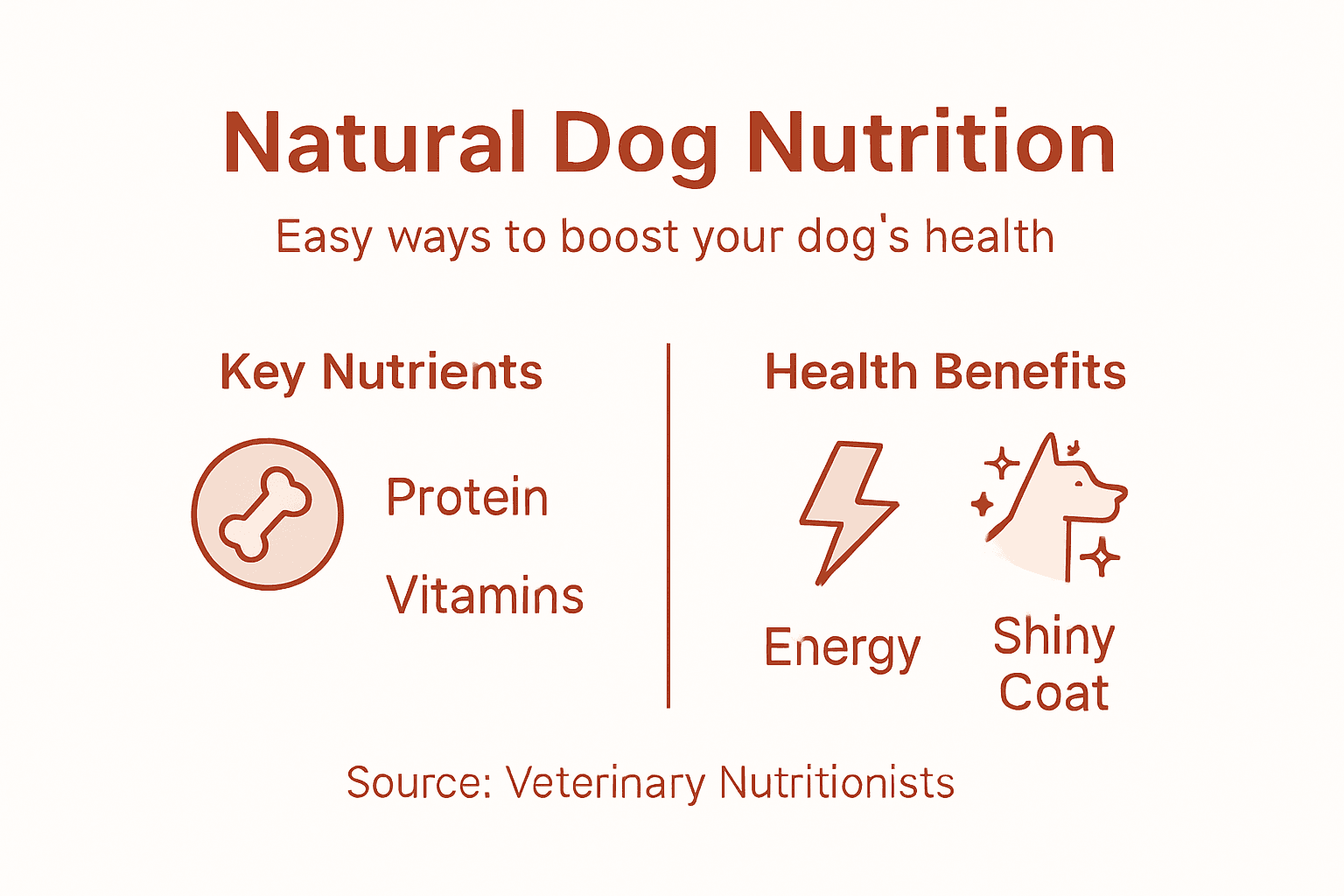
Review common diet problems that many dogs face. Overfeeding treats, incomplete nutrition in commercial foods, and low-quality ingredients are surprisingly common issues. If your dog is on a home-prepared diet, this is where consulting with a veterinary nutritionist becomes invaluable to ensure complete balance.
Consider whether your dog’s current diet addresses specific health needs. Does it support joint health, digestive strength, immune function, and coat quality? Understanding why natural dog vitamins benefit your pet’s health can help you identify nutritional gaps your current food may not be filling.
Here’s how different diet types compare for meeting your dog’s nutritional needs:
| Diet Type | Customization Level | Typical Protein Quality | Potential Drawbacks |
|---|---|---|---|
| Commercial Kibble | Low | Moderate | May contain fillers/additives |
| Wet/Canned | Moderate | High | Shorter shelf life, costlier |
| Raw | High | Excellent | Prep time, contamination risk |
| Home-Prepared | Very High | Variable | Needs expert formulation, time |
Document your findings in writing. A simple log of what your dog eats and how they respond creates a clear baseline for measuring improvement.
Pro tip: Take photos of your dog’s current condition (coat shine, body weight, energy) before making any dietary changes so you can visually compare improvements over the next 30 to 60 days.
Step 2: Select High-Quality Organ-Based Supplements
Now that you understand your dog’s current diet, it’s time to find supplements that fill the nutritional gaps and restore ancestral vitality. Organ-based nutrition works because it delivers concentrated, bioavailable nutrients your dog’s body recognizes and absorbs efficiently.
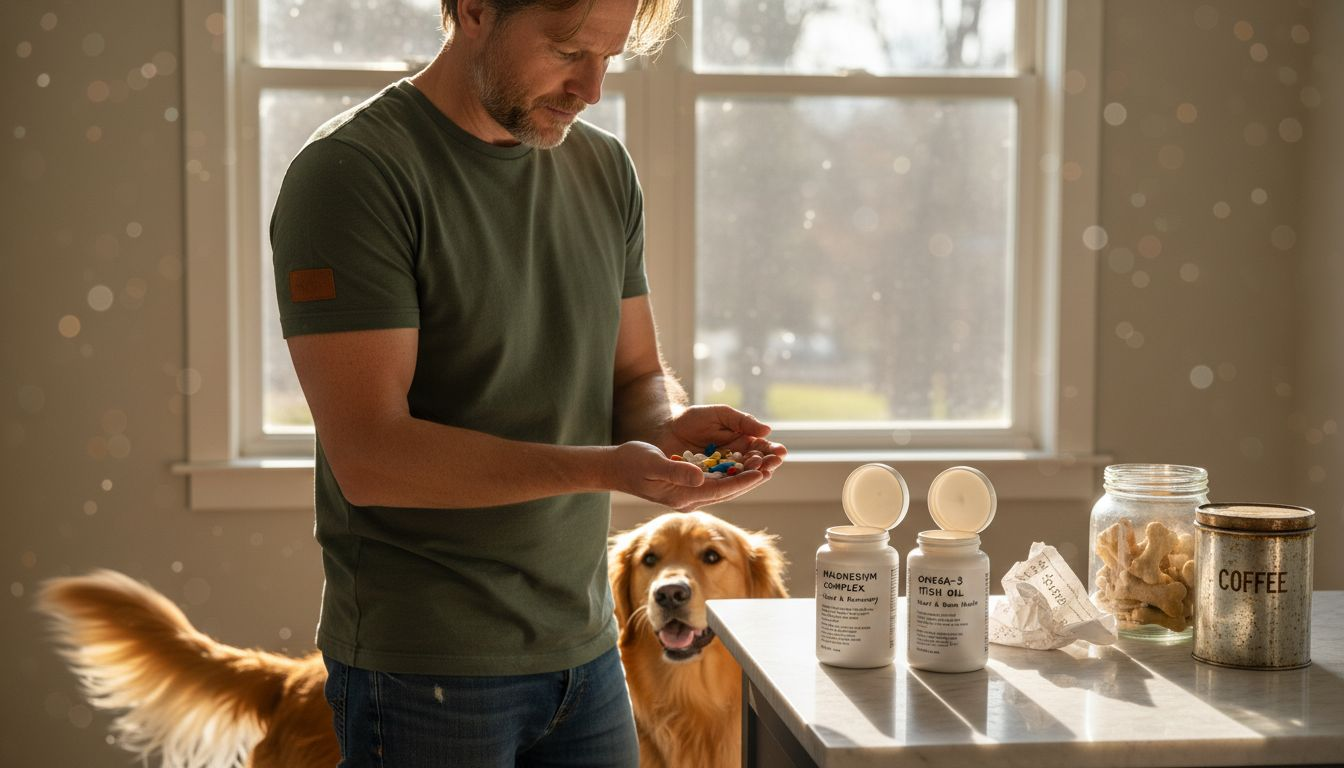
Start by understanding what makes an organ supplement legitimate. Quality supplements come from grass-fed or pasture-raised sources and are processed to preserve their nutritional integrity. The source matters tremendously. Organs from animals raised in poor conditions deliver poor nutrition to your dog.
Check the label carefully for these essential markers:
- USDA certified organic or verified sourcing
- Third-party tested for purity and potency
- No fillers, additives, or artificial ingredients
- Clear ingredient lists with recognizable components
- Proper labeling that identifies what organs are included
Manufacturers are responsible for ensuring supplement safety and truthful labeling on all products. This means reading beyond marketing claims and verifying actual ingredient quality. Don’t rely on packaging promises alone; investigate the company’s sourcing and manufacturing practices.
Understand that dietary supplements vary widely in scientific evidence backing their claims. Look for brands that provide transparent research or third-party testing results. A reputable company will gladly share documentation about ingredient sourcing, potency levels, and quality assurance processes.
Consider your dog’s specific health needs. A senior dog with joint issues benefits from organ blends supporting mobility and inflammation response. A dog with digestive challenges needs supplements addressing gut health. Organic dog supplements emphasizing primal nutrition align your dog’s diet with ancestral eating patterns their body evolved to thrive on.
Avoid bargain supplements. The cheapest option rarely reflects quality. Premium organ-based supplements cost more because they source better ingredients and maintain strict manufacturing standards. Your investment now prevents health problems and veterinary bills later.
Quality organ supplements deliver ancestral nutrition in concentrated form. Your dog’s body recognizes and utilizes these nutrients far more effectively than synthetic alternatives.
Pro tip: Start with a small quantity of any new supplement to monitor your dog’s response before committing to a full supply.
Step 3: Incorporate Supplements into Daily Meals
Adding supplements to your dog’s existing diet doesn’t require complicated routines. The key is consistency, proper dosing, and choosing feeding methods that ensure your dog actually consumes the full supplement amount.
Start by understanding the right dosage for your dog’s weight and age. Understanding which vitamins dogs need and appropriate dosages prevents both deficiency and toxicity. A senior dog needs different supplement amounts than a young adult. Always follow the manufacturer’s recommendations and consult your veterinarian before starting any new supplement protocol.
Choose your integration method based on your dog’s eating habits and your meal preparation style:
- Mix into wet food for easiest absorption and palatability
- Sprinkle on kibble with a small amount of bone broth to encourage eating
- Blend into homemade meals where you have full control over ingredients
- Use as training treats if the supplement comes in chewable form
- Add to raw meals for maximum nutrient preservation
When incorporating supplements into home-cooked diets, timing matters. Give supplements with meals containing healthy fats to enhance absorption of fat-soluble nutrients. Never give supplements on an empty stomach, as this reduces bioavailability and may cause digestive upset.
Establish a consistent feeding schedule so supplements become part of your dog’s routine. Feed at the same time each day, using the same method. Your dog’s body adapts to predictable nutrition, and consistency maximizes the benefits you’re working to achieve.
Watch for changes in your dog’s response during the first two weeks. Some dogs experience mild digestive adjustment as their body processes concentrated organ nutrition. This typically passes within a few days. However, if your dog shows signs of allergic reaction or persistent digestive issues, stop and consult your veterinarian.
Monitor your dog’s energy levels, coat quality, and overall vitality. These improvements emerge gradually over 30 to 60 days of consistent supplementation. Take notes on what you observe so you can measure real progress against your baseline assessment.
Consistency transforms supplements from occasional additions into powerful nutritional medicine that rewires your dog’s health from the inside out.
Pro tip: Set a phone reminder for supplement time to ensure you never miss a dose, making this habit as automatic as your dog’s regular meals.
Step 4: Monitor Improvements and Adjust as Needed
Your dog’s nutritional transformation unfolds gradually. Tracking real progress requires attention to specific health markers and willingness to refine your approach based on what you observe.
Create a simple monitoring system to document changes over time. Use your baseline photos and notes from Step 1 as your reference point. Track these measurable improvements week by week:
Below is a summary of key indicators to track results when monitoring your dog’s improvements:
| Health Marker | How to Measure | Positive Change Shows As |
|---|---|---|
| Energy/Enthusiasm | Daily activity & play time | Increased stamina & alertness |
| Coat Condition | Visual/tactile assessment | Shinier, softer, healthy skin |
| Digestion | Stool appearance/frequency | Regular, well-formed stools |
| Body Weight | Scale, visual, body score | Maintains ideal lean weight |
| Mobility | Gait & flexibility | Easier movement, less stiffness |
- Energy and enthusiasm during play and walks
- Coat quality and skin health
- Digestion consistency and frequency
- Body weight and muscle tone
- Joint mobility and movement ease
- Mental clarity and alertness
Maintaining healthy body condition scores and tracking progress provides standardized ways to measure your dog’s nutritional status objectively. Body condition scoring uses a simple visual and tactile assessment. You should feel your dog’s ribs with gentle pressure but not see them prominently. This method works far better than scale weight alone because it accounts for muscle versus fat.
Monitor your senior dog using scientific approaches that track health improvements rather than relying on subjective feelings. Modern canine health research emphasizes personalized adjustments based on actual observed outcomes. If inflammation markers improved or DNA biomarkers shifted positively, that’s your proof the nutrition strategy works.
Expect initial improvements around 30 days, with more dramatic changes visible by 60 to 90 days. Most dogs show increased energy first, followed by coat improvements and digestive normalization. Senior dogs may take longer due to years of nutritional compromise.
Be ready to adjust your supplement plan. If your dog thrives on current dosing, maintain it. If improvements plateau after 90 days, consult your veterinarian about increasing dosage or adding complementary supplements. Conversely, if your dog shows any negative reactions, reduce or eliminate that supplement immediately.
Don’t compare your dog’s timeline to others. Every dog responds differently based on age, prior health status, and individual metabolism. Your consistent monitoring reveals what works specifically for your dog.
Real health transformation shows itself in energy, vitality, and longevity. Trust the measurable changes you observe in your dog’s daily life.
Pro tip: Create a simple spreadsheet or note app entry each week tracking three key metrics, making it easy to spot patterns and share objective data with your veterinarian if needed.
Unlock Your Dog’s Full Health Potential with Natural Organ-Based Nutrition
Improving your dog’s nutrition naturally means addressing key challenges like energy dips, coat dullness, and digestive health that commercial diets often overlook. This article highlights how tailored organ-based supplements can fill vital nutritional gaps and bring ancestral vitality back to your dog’s meals. If you have noticed these issues or want to proactively enhance your dog’s overall well-being, embracing primal nutrition is the game changer.
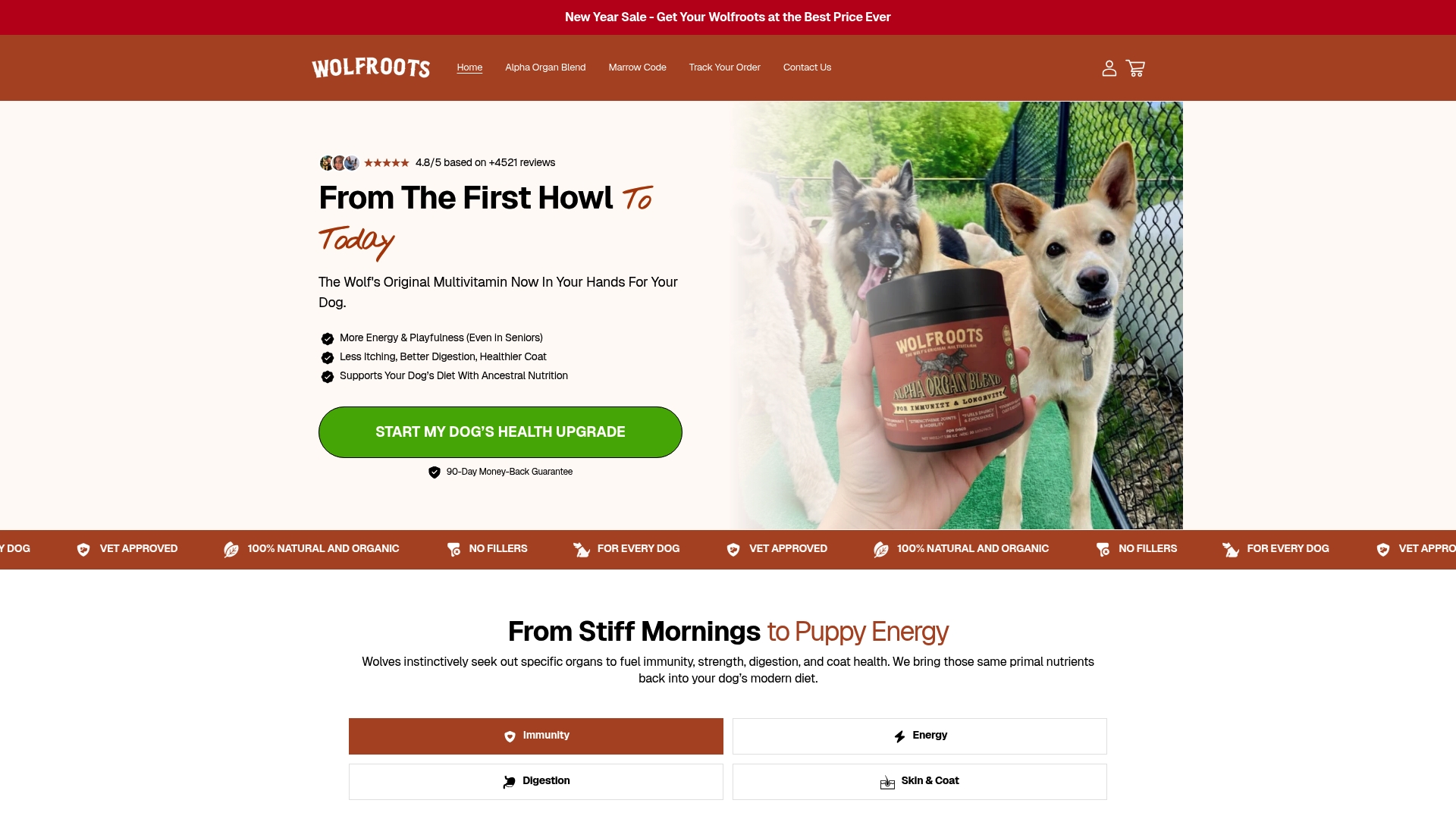
Explore premium, vet-approved supplements at Wolfroots designed specifically to support canine health with organic organ blends like liver, heart, and kidney. These products are crafted to restore immunity, boost energy, and improve coat quality naturally. Begin your dog’s transformation today by visiting our landing page and discovering how our targeted formulas make supplementing simple and effective. Take the first step toward vibrant health your dog deserves now.
Frequently Asked Questions
How can I assess my dog’s current diet?
To assess your dog’s current diet, start by documenting the brand, type, and portion sizes of food you are feeding. Observe your dog’s energy levels, coat condition, digestion, and general health over a week or two to identify any gaps in nutrition.
What are the benefits of organ-based supplements for dogs?
Organ-based supplements provide concentrated, bioavailable nutrients that support your dog’s overall health. Choose high-quality, grass-fed supplements to enhance nutrition and meet specific health needs effectively.
How should I integrate supplements into my dog’s meals?
Integrate supplements by mixing them into wet food or sprinkling them on kibble to enhance palatability. Establish a consistent feeding schedule and administer supplements with meals containing healthy fats for optimal absorption.
How long will it take to see improvements in my dog’s health?
You can expect to see noticeable improvements in your dog’s energy and coat condition within 30 to 60 days of starting a new diet and supplementation routine. Monitor specific health markers weekly to track progress and adjust as needed.
What key health markers should I monitor to assess my dog’s progress?
Key health markers include energy levels, coat condition, digestion, body weight, and joint mobility. Track these indicators weekly to measure your dog’s improvement and determine if any dietary adjustments are necessary.
How can I adjust my dog’s diet or supplements if I don’t see progress?
If you don’t see progress after 60 to 90 days, consider consulting your veterinarian about increasing the supplement dosage or adding new supplements. Regularly monitor your dog’s response to changes to find the right nutritional balance.