


Organic Dog Supplements: Why Primal Nutrition Matters
Choosing the best supplements for your senior dog can quickly become confusing with so many options and bold claims on every shelf. Health-conscious American pet owners want effective, vet-approved organic supplements that support longevity, but real results depend on understanding what these products do—and what they do not. This guide cuts through the common myths and marketing hype, clarifying how organic, organ-based nutrition enhances your dog’s vitality while respecting proven science and regulatory standards.
Table of Contents
- Defining Organic Dog Supplements And Misconceptions
- Types Of Organic Supplements For Dogs
- Key Characteristics And How They Work
- Regulatory Standards And Labeling In The U.S.
- Risks, Benefits, And Common Mistakes To Avoid
Key Takeaways
| Point | Details |
|---|---|
| Understand Supplement Roles | Organic dog supplements improve nutrition but are not replacements for a proper diet or veterinary care. |
| Beware of Myths | Misconceptions about safety, effectiveness, and equivalence in organic supplements can lead to wasted money and health risks. |
| Prioritize Quality | Look for USDA certification and third-party testing to ensure safety and efficacy of supplements. |
| Consult Your Veterinarian | Always get your vet’s approval before introducing new supplements to ensure they are appropriate and safe for your dog. |
Defining Organic Dog Supplements and Misconceptions
Organic dog supplements fill a specific nutritional role—they’re not replacements for proper diet, and they’re definitely not miracle cures. Understanding what they actually are helps you make informed choices for your senior dog’s health.
According to regulatory standards, supplements are feeds designed to improve nutritive balance when added to an already adequate diet. Your dog’s complete and balanced meals typically provide baseline nutrition, but supplements address gaps, support specific body systems, or boost overall vitality as your dog ages.
The key word here? “Improve.” Not transform. Not cure. Improve.
What Makes a Supplement “Organic”
Organic certification means the supplement ingredients come from sources raised or grown without synthetic pesticides, antibiotics, or artificial additives. It signals cleaner sourcing, but organic alone doesn’t determine effectiveness or safety.
Organic supplements still require the same quality standards as conventional ones:
- Third-party testing for contaminants and potency
- Proper labeling and ingredient transparency
- Vet approval and safety documentation
- No misleading health claims
Think of “organic” as a purity marker, not a performance guarantee.
Myths That Cost You Money
Health-conscious dog owners often fall for misconceptions that create confusion and wasted spending.
Myth 1: Supplements are automatically safe because they’re natural.
Not true. There’s actually limited scientific safety data on many pet supplements, and regulatory oversight differs significantly from human supplements. Natural doesn’t equal harmless—some herbs can interact with medications or cause issues in senior dogs with kidney disease.
Myth 2: More supplements = faster results.
Over-supplementing creates imbalances and can strain aging kidneys and livers. AAFCO guidelines warn against excessive supplementation when complete diets already meet nutritional needs.
Myth 3: Supplements treat or prevent disease.
This is the biggest one. Claims that a supplement “cures arthritis” or “prevents cancer” are unapproved drug indications and illegal under animal feed regulations. Real supplements support wellness; they don’t replace veterinary treatment.
Myth 4: All organic supplements are the same.
Organic certification says nothing about formulation quality, ingredient sourcing practices, or whether the supplement actually addresses your dog’s needs. A product can be certified organic and still lack the potency or bioavailability your senior dog requires.
The Real Purpose of Supplements
Quality supplements work with your dog’s body to enhance nutrient absorption, support cellular function, and address age-related decline. They’re tools for optimization, not solutions for problems.
Your senior dog benefits most when supplements target specific needs: joint mobility, digestive health, coat quality, or immune resilience.
Supplements should enhance a solid foundation of proper diet and veterinary care—never replace either one.
Pro tip: Ask your veterinarian to review any supplement’s ingredient list and verify it won’t interact with your dog’s current medications or health conditions before introducing it.
Types of Organic Supplements for Dogs
Organic supplements for dogs fall into several distinct categories, each targeting different aspects of your senior dog’s health. Knowing what’s available helps you match supplements to your dog’s actual needs rather than chasing trends.
The main categories include vitamins and minerals, fatty acids, organ-based formulations, and botanical compounds. Each type works differently, and understanding these distinctions prevents wasted spending on products your dog doesn’t need.
Here’s a concise comparison of the major categories of organic dog supplements and their targeted health benefits:
| Supplement Category | Main Purpose | Typical Ingredients | Targeted Health Benefit |
|---|---|---|---|
| Vitamins & Minerals | Fill essential nutrient gaps | B vitamins, calcium, zinc | Immune, bone, and energy |
| Fatty Acids & Joint | Support mobility, reduce inflammation | Fish oil, omega-3, glucosamine | Joint, coat, cognitive aging |
| Organ-Based | Provide concentrated nutrition | Liver, heart, pancreas | Energy, organ, cardiovascular |
| Botanicals & Herbal | Deliver antioxidants, gentle support | Turmeric, milk thistle, green tea | Digestive, anti-inflammatory |
Vitamins and Minerals
These are the foundation of most supplement regimens. Vitamins support immune function, energy production, and cellular repair in aging dogs.
Common organic vitamin supplements include:
- B-complex vitamins for energy and nervous system support
- Vitamin E and C for antioxidant protection against aging
- Calcium and phosphorus for bone density
- Zinc and selenium for immune resilience
Even with complete diets, senior dogs sometimes benefit from targeted vitamin support as their absorption efficiency declines.
Fatty Acids and Joint Support
Fish oil and omega-3 fatty acids address multiple systems at once. They improve coat quality, reduce inflammation, and support cognitive function in aging brains.
Glucosamine for joint health works alongside fatty acids to maintain mobility and comfort. These two complement each other—fish oil reduces inflammatory signals while glucosamine supports cartilage structure.
Your senior dog moving more freely often signals these supplements are working.
Organ-Based Supplements
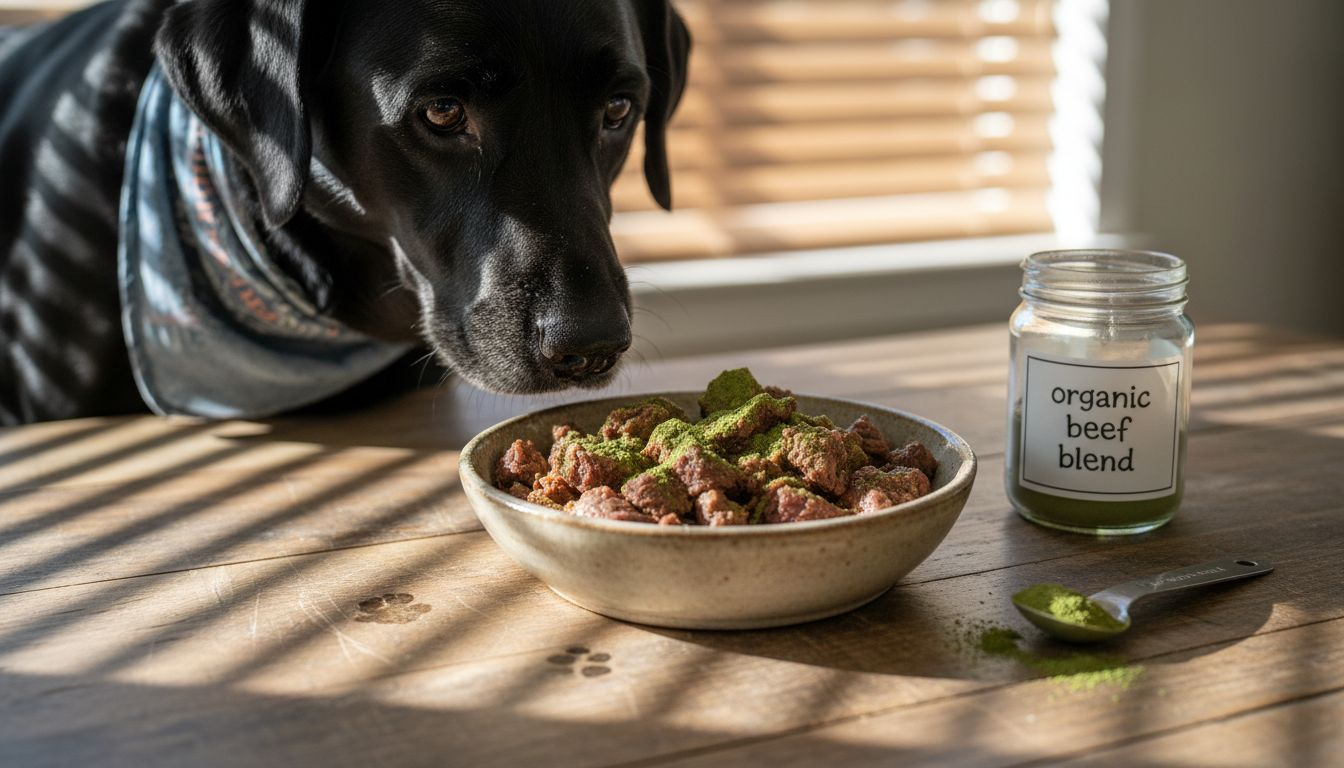
This is where primal nutrition shines. Organ supplements contain concentrated nutrients from liver, kidney, heart, and other glands.
Organs are nature’s multivitamins—they contain:
- CoQ10 and iron from heart tissue for cardiovascular support
- B vitamins and amino acids from liver for detoxification and energy
- Enzymes and minerals from pancreas for digestive strength
- Targeted nutrients matching your dog’s specific weaknesses
These formulations align with ancestral canine diets where wolves consumed entire prey, organs first.
Botanicals and Herbal Blends
Essential vitamins naturally support overall wellness when combined with plant-based compounds. Organic herbs like turmeric, green tea extract, and milk thistle offer antioxidant and anti-inflammatory benefits without synthetic additives.
Botanicals work slower than other supplements but often provide sustained benefits over weeks and months.
The best supplement matches your dog’s specific health challenges, not your neighbor’s recommendation.
Pro tip: Start with one supplement category at a time and observe your dog for 6-8 weeks before adding another, so you can actually identify which supplement is creating positive changes.
Key Characteristics and How They Work
Organic dog supplements operate through a fundamentally different mechanism than conventional products. Understanding how they work at a biological level helps you recognize why quality matters and why cheaper alternatives often disappoint.
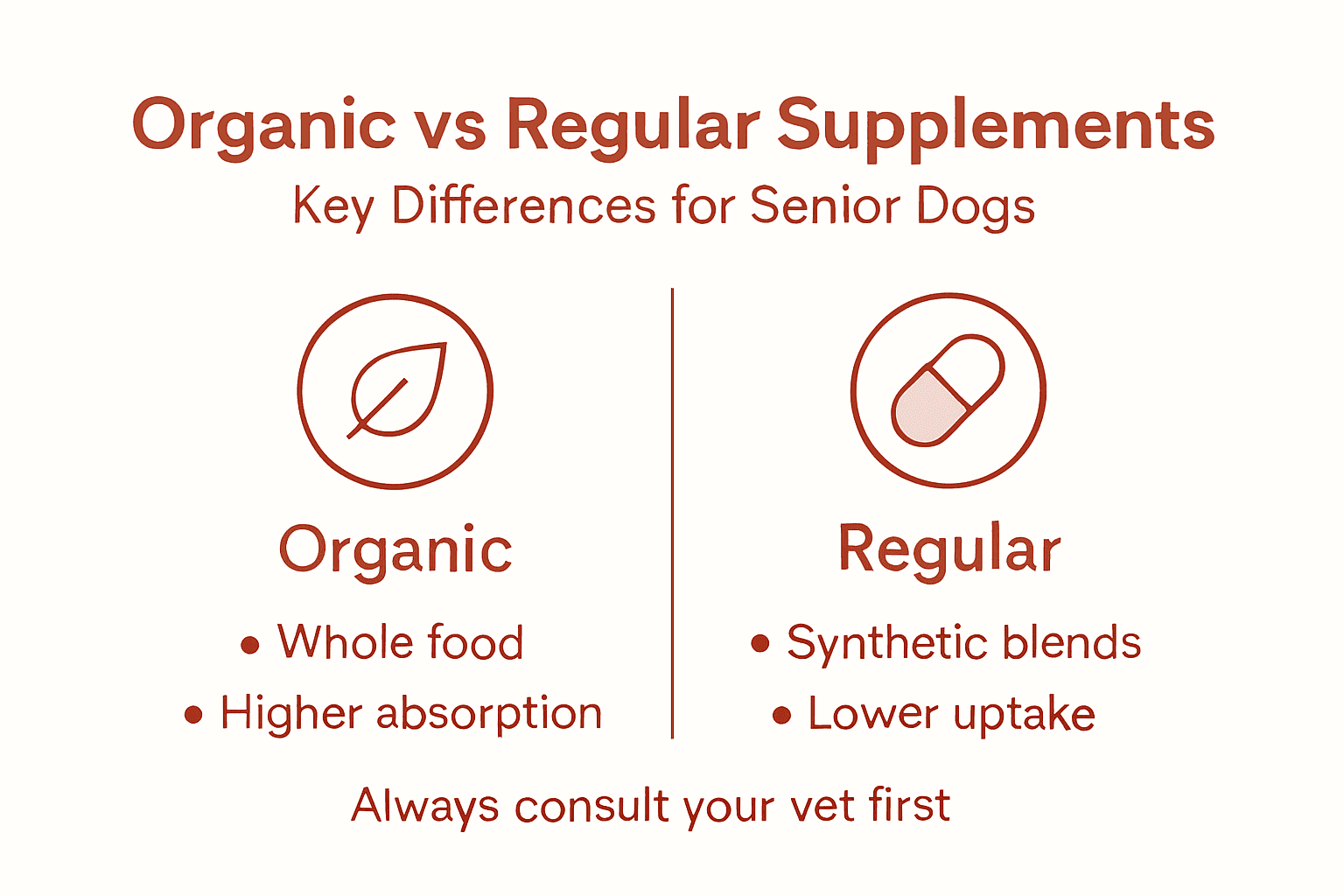
The core difference lies in their composition and how your dog’s body processes them. Organic supplements contain bioactive compounds that work synergistically—meaning they enhance each other’s effectiveness rather than working in isolation.
What Makes Organic Supplements Different
Conventional supplements often rely on isolated, synthetic ingredients. Organic supplements use whole-food sources and natural extracts that maintain the compound relationships found in nature.
Key differences include:
- No synthetic fillers, binders, or artificial preservatives
- Reduced chemical exposure from pesticides and GMO processing
- Better absorption rates due to natural ingredient synergy
- Gentler on aging digestive and kidney systems
- Nutrient complexity that synthetic versions can’t replicate
Your senior dog’s body recognizes organic nutrients more efficiently than lab-created alternatives.
Bioavailability and Absorption
Bioavailability is how much of the supplement your dog’s body actually uses. Organic supplements generally offer superior bioavailability because their ingredients exist in forms your dog’s digestive system evolved to process.
A synthetic glucosamine tablet might pass through your dog mostly unabsorbed. An organic joint blend with glucosamine, collagen, and botanical compounds gets broken down and utilized more completely.
Higher bioavailability means real results at lower doses.
How They Target Specific Systems
Organic supplements work by supplementing essential nutrients your dog’s regular diet may lack. They don’t force change; they provide resources your dog’s body uses to repair itself.
Consider joint health. Glucosamine supplies cartilage-building blocks. Omega-3 fatty acids reduce inflammatory signals that accelerate joint degradation. When combined in an organic formulation, they work together—one repairs while the other reduces damage.
Natural Synergy
This is where natural ingredients grown without synthetic chemicals truly shine. Whole foods contain hundreds of micronutrients alongside the main active compounds.
When you give your dog organic liver supplement, your dog receives not just amino acids but also naturally occurring CoQ10, B vitamins, minerals, and trace elements that enhance the primary nutrient’s effectiveness.
Synthetic isolates can’t replicate this complexity.
Your dog’s body knows how to process real food; it’s still learning how to handle lab-created chemicals.
Pro tip: Space supplement doses throughout the day with food rather than giving the full amount once, which increases absorption in your senior dog’s aging digestive system.
Regulatory Standards and Labeling in the U.S.
The U.S. regulatory landscape for organic dog supplements involves multiple agencies with overlapping responsibilities. Understanding these standards helps you identify trustworthy products and avoid misleading claims that prey on worried pet owners.
Two main regulatory bodies govern organic dog supplements: the FDA oversees safety and labeling, while the USDA enforces organic certification standards. This dual oversight creates a framework designed to protect consumers, though gaps still exist.
FDA Oversight and Requirements
The FDA regulates pet supplements differently than human supplements or conventional medications. Manufacturers must ensure products are safe and labels are truthful, but they’re not required to prove efficacy before selling.
This creates an important distinction:
- FDA can only take action against products that are adulterated or misbranded
- Claims about treating or preventing disease are illegal without FDA approval
- Manufacturers bear responsibility for safety and label accuracy
- The FDA responds to problems rather than preventing them upfront
This reactive approach means your due diligence matters when selecting supplements.
USDA Organic Certification Standards
The USDA National Organic Program sets strict standards for any ingredient labeled “organic” in dog supplements. These standards apply to agricultural ingredients used in formulations sold across the United States.
Certified organic means:
- No synthetic pesticides or fertilizers during production
- No genetic engineering or GMO ingredients
- No antibiotics or artificial growth hormones
- Independent verification and ongoing compliance audits
- Consistent criteria enforced nationally
The USDA label carries real weight because certification requires third-party verification.
Reading Labels Correctly
**Organic" claims without USDA certification are misleading. Look for the USDA organic seal or certification statements from recognized certifiers like Oregon Tilth or Quality Assurance International.
Red flags include:
- “Natural” or “pure” claims without organic certification
- Vague ingredient lists that hide synthetic fillers
- Therapeutic claims (“cures arthritis”) without FDA approval
- No third-party testing information
- Impossible-sounding results promised in days
Legitimate products list ingredients transparently and explain what the supplement supports, not what it cures.
The Gap Between Regulation and Reality
Pet supplement manufacturers must ensure products are safe, but enforcement relies on consumer complaints and voluntary compliance. Many questionable products exist in this regulatory space because the burden falls on buyers to identify problems.
Your veterinarian’s approval matters more than perfect regulation.
A product can be perfectly legal and still be ineffective, so vet recommendations provide the safety net regulation doesn’t fully offer.
Pro tip: Request third-party testing documentation from supplement manufacturers—reputable companies test for heavy metals, bacterial contamination, and label accuracy, proving they stand behind their claims.
Risks, Benefits, and Common Mistakes to Avoid
Organic supplements deliver real benefits when used correctly, but mistakes can negate those benefits or create new problems. Knowing what to avoid protects your senior dog and maximizes the value of your investment.
The difference between success and disappointment often comes down to understanding both the upside and the pitfalls.
Real Benefits When Done Right
Quality organic supplements genuinely improve senior dog vitality. Joint supplements reduce inflammation and restore mobility. Organ-based formulations boost energy and support organ function. Fatty acid blends improve coat quality and cognitive sharpness.
These benefits compound over time. A dog moving easier at month two becomes more active at month four, naturally improving overall fitness and mood.
Hidden Risks Most Owners Miss
Not all risks are obvious. Some supplements contain dangerous ingredients like xylitol or excessive vitamin D that cause serious toxicity in dogs. Others seem harmless but interact dangerously with medications your dog takes.
Common risk scenarios include:
- Over-supplementing fat-soluble vitamins (A, D, E, K) that accumulate in tissue
- Giving human supplements formulated for larger bodies to small senior dogs
- Mixing multiple supplements with overlapping ingredients, creating dangerous doses
- Continuing supplements during acute illness without vet approval
- Choosing unregulated products from unknown manufacturers
Your senior dog’s aging kidneys and liver struggle to process excess nutrients.
The Most Expensive Mistake: Inconsistent Quality
Supplement results vary by product and individual pet, but inconsistent product quality creates unpredictable outcomes. One batch contains promised potency; the next batch doesn’t.
Unregulated manufacturers skip expensive quality controls, meaning you might pay for glucosamine while receiving filler.
Common Owner Mistakes
These errors cost money and waste time:
- Starting supplements without baseline health assessment from your vet
- Expecting results in days instead of weeks or months
- Not monitoring for adverse reactions or behavior changes
- Switching supplements constantly without giving them time to work
- Assuming more supplements create faster improvements
- Using supplements as a substitute for veterinary treatment
Patience and professional guidance transform supplements from disappointments into tools that work.
The following summarizes common mistakes owners make and the potential consequences:
| Mistake | Potential Consequence | How to Avoid |
|---|---|---|
| Skipping vet consultation | May miss health risks | Consult before starting |
| Mixing too many supplements | Can cause toxicity or imbalances | Start one at a time |
| Expecting overnight results | Leads to disappointment | Allow 6-8 weeks for effect |
| Ignoring product quality | Unpredictable outcomes | Check third-party testing |
Getting Results Without Risk
Owners see the best outcomes when supplements are part of a comprehensive health strategy. Diet quality, exercise, stress management, and veterinary care create the foundation supplements enhance.
Supplements alone can’t overcome poor nutrition or lack of movement.
Success with supplements requires three things: the right product, proper dosing, and veterinary oversight throughout.
Pro tip: Keep a simple journal tracking your dog’s energy, mobility, coat quality, and any behavior changes for six weeks after starting supplements—this objective record reveals whether your specific dog is actually responding.
Unlock True Health Benefits with Primal, Organic Supplements for Your Senior Dog
The challenges of choosing effective organic dog supplements are real. Your senior dog needs more than just generic vitamins or synthetic isolates. This article showed how targeted, organ-based nutrition and natural ingredient synergy can genuinely improve vitality, joint health, and immunity without risking toxicity or disappointment. At WolfRoots, we understand that primal nutrition matters because your dog’s body thrives on the complex nutrients found in nature’s original diet.
Explore our carefully crafted collection of organ supplements, joint support formulas, and multivitamin blends designed to restore your dog’s ancestral nutritional balance. Each product is made with organic, clean ingredients tested for quality and bioavailability so you can feed your dog the way nature intended.
Don’t settle for ineffective supplements or confusing claims. Act now to give your senior dog the nutrition support they deserve. Visit WolfRoots and start your dog’s journey toward better energy, mobility, and overall wellness with vet-approved, primal-focused solutions. Your dog’s body will thank you every day.
Learn more about the philosophy behind our products on our homepage and shop with confidence at our Shop – WolfRoots section.
Frequently Asked Questions
What are organic dog supplements?
Organic dog supplements are products designed to improve the nutritional balance of your dog’s diet by adding specific vitamins, minerals, or other beneficial compounds, sourced from ingredients grown without synthetic pesticides or additives.
How do organic supplements differ from conventional ones?
Organic supplements utilize whole-food sources and natural extracts, providing better absorption and synergy of nutrients, whereas conventional supplements may contain synthetic ingredients that do not offer the same benefits.
Are organic dog supplements safe for all dogs?
While organic dog supplements are generally safer due to their natural ingredients, they can still pose risks—especially if they interact with medications or if a dog has existing health conditions. Always consult your veterinarian before introducing a new supplement.
How can I tell if my dog is benefiting from organic supplements?
Monitor your dog’s overall health, energy levels, and specific areas of concern (like joint mobility or coat quality) over 6-8 weeks after starting the supplement. Keeping a journal can help you track any changes and determine the effectiveness of the supplement.