


How to improve senior dog health naturally in 2026
Watching your senior dog slow down can be heartbreaking, but you have the power to enhance their vitality naturally. Many dog owners struggle to find reliable, vet-approved strategies that genuinely work for aging pets. This comprehensive guide delivers actionable steps to support your senior dog’s health through natural supplements, holistic nutrition, tailored exercise, and preventive care that makes a real difference in their golden years.
Table of Contents
- Understanding Your Senior Dog’s Health Challenges
- Preparing A Senior Dog Diet For Optimal Health
- Incorporating Vet-Approved Supplements And Exercise Routines
- Monitoring Health And Preventing Age-Related Diseases
- Boost Your Senior Dog’s Health Naturally With WolfRoots
- FAQ
Key takeaways
| Point | Details |
|---|---|
| Natural nutrition matters | Fresh, human-grade diets and quality supplements provide essential support for aging dogs. |
| Weight management is critical | Maintaining healthy weight and muscle mass directly impacts your senior dog’s longevity and quality of life. |
| Regular vet care saves lives | Routine physical exams and lab work catch age-related diseases early when they’re most treatable. |
| Exercise preserves mobility | Tailored physical activity improves joint health and maintains muscle strength despite aging. |
| Supplement quality counts | Choose products verified by NASC to ensure safety, efficacy, and proper dosing for your pet. |
Understanding your senior dog’s health challenges
Your dog’s body changes dramatically as they age, requiring thoughtful adjustments to their care routine. Senior dogs require adjusted nutrition to support slower metabolism, healthy weight, digestion, and vital organ function. These physiological shifts create unique challenges that demand your attention.
Metabolic slowdown means your senior dog burns fewer calories at rest, making weight management trickier. Their digestive system becomes less efficient at absorbing nutrients from food. Immune function weakens, leaving them vulnerable to infections and diseases that younger dogs fight off easily.
The most concerning age-related change involves body composition shifts. Senior dogs typically lose lean muscle mass while gaining fat tissue, even when their weight stays stable. This hidden transformation compromises their strength, mobility, and metabolic health in ways that aren’t immediately obvious.
Chronic low-grade inflammation rises steadily with age, damaging tissues throughout the body. This persistent inflammatory state accelerates cognitive decline, joint deterioration, and organ dysfunction. It’s a silent threat that requires proactive management through diet and supplements.
Understanding these challenges helps you tailor care effectively:
- Slower metabolism demands calorie-conscious feeding and nutrient-dense foods
- Muscle loss requires higher protein intake and resistance-building activities
- Weakened immunity benefits from antioxidant-rich diets and immune-supporting supplements
- Rising inflammation responds well to omega-3 fatty acids and anti-inflammatory nutrients
- Digestive changes need easily digestible, fresh food sources
Recognizing these interconnected issues allows you to improve dog nutrition naturally and address multiple health concerns simultaneously. Your senior dog’s vitality depends on this comprehensive approach rather than treating symptoms in isolation.
Preparing a senior dog diet for optimal health
Diet quality makes or breaks your senior dog’s health trajectory. Fresh, human-grade food diets outperform extruded kibble in metabolic studies, showing measurable improvements in how senior dogs process nutrients. This research confirms what many holistic veterinarians have observed for years.
Protein becomes even more critical as dogs age. Older dogs may require higher protein to maintain muscle mass, contrary to outdated advice about restricting protein for seniors. Aim for high-quality animal proteins from sources like beef, chicken, fish, and organ meats that provide complete amino acid profiles.
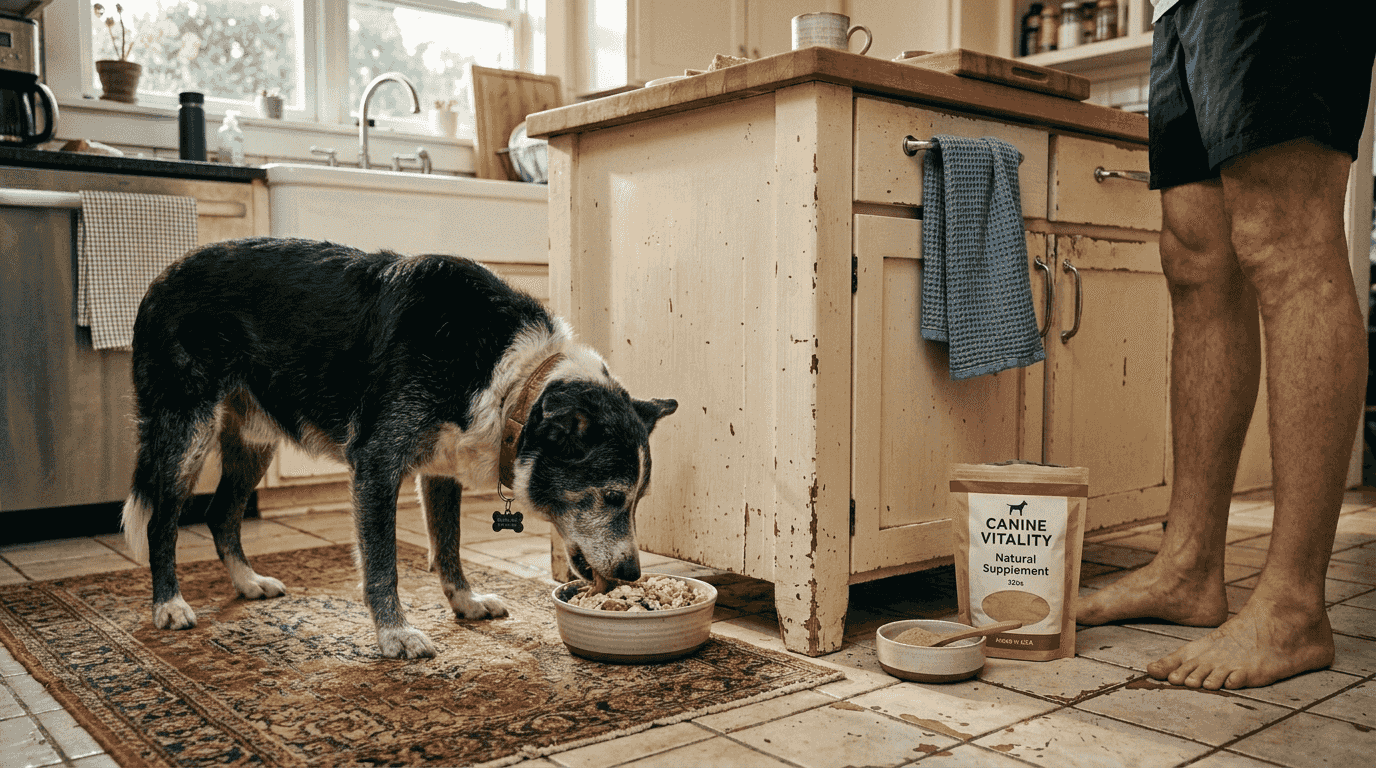
Portion control prevents the gradual weight creep that plagues senior dogs. Target a body condition score between 4 and 5 out of 9, where you can feel ribs easily but they’re not visible. This lean body composition reduces stress on joints and organs while optimizing metabolic function.
Gradual transitions prevent digestive upset when changing your senior dog’s diet. Introduce new foods slowly over 7 to 10 days, mixing increasing amounts with their current food. Watch for signs of intolerance like loose stools, gas, or decreased appetite, and slow down if these appear.
Pro Tip: Don’t rely solely on marketing claims when evaluating dog food quality. Research the manufacturer’s standards, ingredient sourcing, and quality control processes to ensure you’re truly getting premium nutrition for your senior pet.
Key dietary considerations for senior dogs:
- Choose whole food ingredients over heavily processed kibble when possible
- Include organ meats for concentrated vitamins and minerals
- Add healthy fats from fish oil or coconut oil for energy and coat health
- Incorporate fiber from vegetables to support digestion and gut health
- Avoid fillers like corn, wheat, and soy that provide empty calories
| Nutrient | Senior Dog Need | Best Sources |
|---|---|---|
| Protein | 25-30% of calories | Beef, chicken, fish, eggs, organ meats |
| Omega-3 | 1000-2000mg daily | Salmon oil, sardines, mackerel |
| Antioxidants | High intake | Blueberries, spinach, pumpkin |
| Fiber | Moderate amounts | Sweet potato, green beans, carrots |
| Calcium | Balanced with phosphorus | Bone broth, dairy, supplements |
The shift to dog nutrition naturally focused on whole foods transforms how your senior dog feels and functions. You’ll notice improvements in energy, coat quality, and overall vitality within weeks of upgrading their diet.
Incorporating vet-approved supplements and exercise routines
Strategic supplementation bridges nutritional gaps that diet alone can’t fill. Specific nutrients improve senior dog health by reducing inflammation and supporting joints and cognition through targeted biochemical pathways. These aren’t optional luxuries but essential tools for maintaining quality of life.
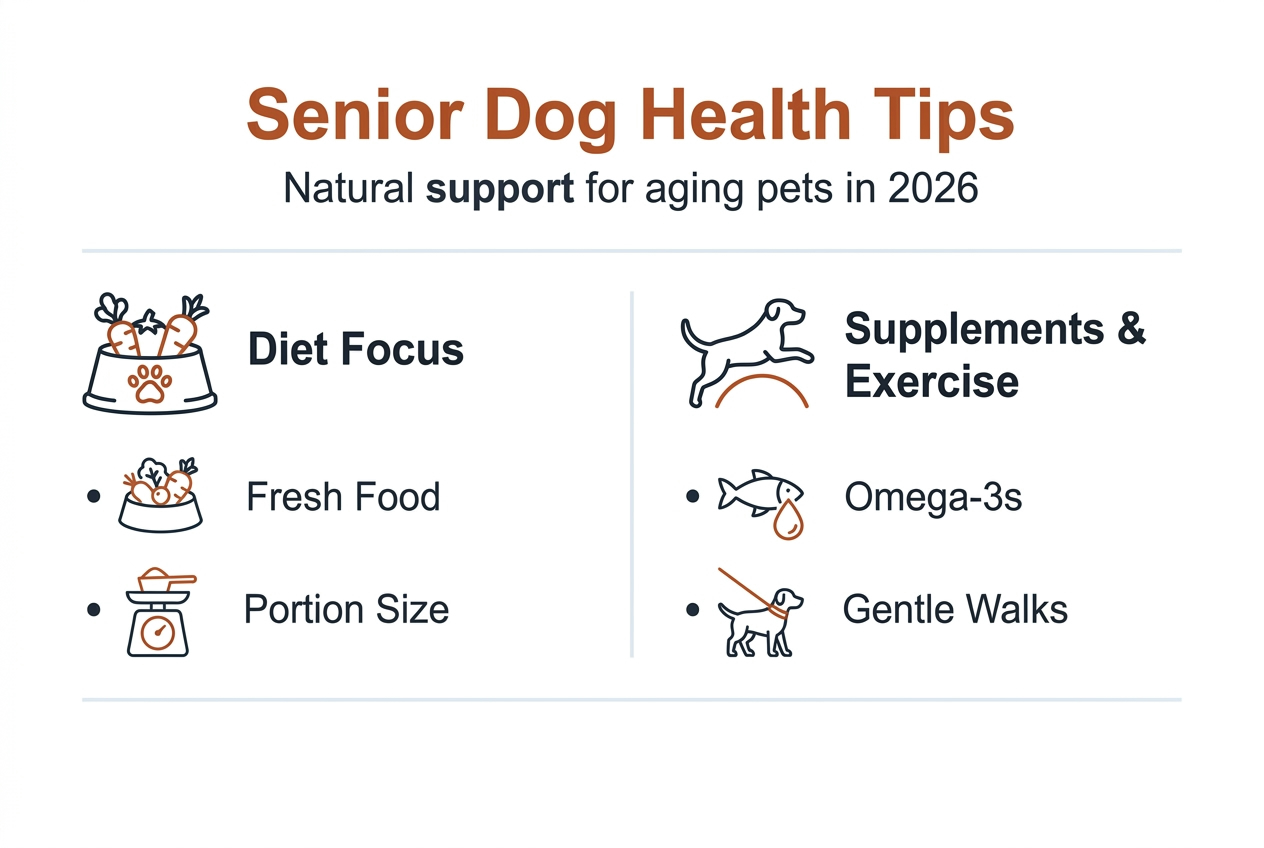
Omega-3 fatty acids from fish oil rank as the most important supplement for aging dogs. They combat systemic inflammation, support brain function, and promote joint health through multiple mechanisms. Dose based on EPA and DHA content, not total fish oil volume, for accurate therapeutic levels.
Glucosamine and chondroitin protect cartilage and slow joint degradation in arthritic dogs. These compounds provide raw materials for cartilage repair while reducing inflammatory enzymes that damage joints. Results take 4 to 8 weeks to become noticeable, so patience matters.
Antioxidants like vitamins E and C neutralize free radicals that accelerate aging at the cellular level. They protect against cognitive decline, support immune function, and reduce oxidative stress throughout the body. Organ meats provide concentrated natural sources of these vital compounds.
Pro Tip: Only purchase supplements certified by the National Animal Supplement Council (NASC), which verifies quality, safety, and accurate labeling through independent testing. This certification protects you from substandard products that waste money and potentially harm your pet.
Exercise remains crucial despite physical limitations. Regular exercise tailored appropriately improves mobility and overall health in senior dogs when matched to their physical condition. The key is finding the sweet spot between beneficial activity and harmful overexertion.
Effective exercise strategies for senior dogs:
- Start with short 10 to 15 minute walks and gradually increase duration
- Try swimming or hydrotherapy for low-impact joint movement
- Incorporate gentle stretching after walks to maintain flexibility
- Use stairs or ramps to build leg strength without jumping
- Schedule activity during cooler parts of the day to prevent overheating
| Supplement | Primary Benefits | Typical Dose Range |
|---|---|---|
| Omega-3 Fish Oil | Reduces inflammation, supports cognition | 1000-2000mg EPA/DHA daily |
| Glucosamine/Chondroitin | Protects cartilage, eases joint pain | 500-1500mg per 50 lbs |
| Antioxidants (Vit E/C) | Fights oxidative stress, boosts immunity | 100-400 IU Vit E daily |
| Probiotics | Improves digestion, supports gut health | 1-10 billion CFU daily |
| Organ Blend Supplements | Provides concentrated nutrients | Follow product guidelines |
Combining natural supplements boost senior dog health with appropriate exercise creates synergistic benefits. The supplements reduce inflammation and support tissue repair while exercise maintains muscle mass and joint mobility. Together, they deliver results neither achieves alone.
Monitor your dog’s response carefully. Some seniors thrive with more activity, while others need gentler approaches. Watch for limping, reluctance to move, or excessive fatigue as signs you’ve pushed too hard. Adjust based on individual needs rather than following rigid programs.
The right combination of senior dog supplements vitality support and physical activity transforms aging pets. You’ll see improvements in mobility, mental alertness, and enthusiasm for daily activities that seemed lost forever.
Monitoring health and preventing age-related diseases
Vigilant health monitoring catches problems while they’re still manageable. Routine veterinary exams and lab tests screen for systemic diseases in senior dogs before symptoms become obvious. Early detection means more treatment options and better outcomes.
Schedule comprehensive wellness visits every 6 to 12 months for senior dogs over 7 years old. These checkups should include physical examination, blood work, urinalysis, and discussion of any behavioral changes you’ve noticed. Don’t skip these appointments even if your dog seems healthy.
Body condition scoring provides a simple but powerful health metric. Maintaining healthy body condition and preventing obesity delays disease onset and improves longevity in senior dogs through reduced joint stress and optimized metabolism. Aim for that ideal 4 to 5 out of 9 score where ribs are palpable but not visible.
Inflammation markers deserve attention even before obvious symptoms appear. Discuss C-reactive protein or other inflammatory tests with your vet if you notice subtle changes like decreased activity, minor stiffness, or altered behavior. These blood tests reveal hidden inflammation affecting quality of life.
Step-by-step disease prevention protocol:
- Schedule biannual vet visits including comprehensive blood panels and urinalysis
- Monitor body weight weekly and body condition score monthly
- Track activity levels, appetite, and bathroom habits in a simple journal
- Maintain dental health through regular cleanings and daily tooth brushing
- Continue preventive medications for heartworm, fleas, and ticks year-round
- Update diet and supplements based on lab results and physical changes
- Address minor issues immediately before they escalate into major problems
Prevention beats treatment every time. The combination of optimal nutrition, targeted supplementation, appropriate exercise, and regular veterinary oversight creates multiple layers of protection. Each element reinforces the others, building a comprehensive defense against age-related decline.
Early intervention changes outcomes dramatically. A kidney issue caught in early stages through routine bloodwork allows dietary modifications that preserve function for years. The same problem discovered after symptoms appear may be irreversible. This difference underscores why monitoring matters so much.
Your observations at home complement professional veterinary care. You know your dog’s normal patterns better than anyone. Trust your instincts when something seems off, even if you can’t pinpoint exactly what changed. Small shifts often signal larger issues brewing beneath the surface.
The investment in preventive care pays dividends in extended healthy years. Senior dogs receiving comprehensive monitoring and proactive management consistently outlive those getting only reactive treatment. You’re not just adding time but preserving quality of life throughout those bonus years.
Learn how to introduce dog supplements safely as part of your overall health monitoring strategy. Proper introduction ensures your dog tolerates new supplements while maximizing their therapeutic benefits.
Boost your senior dog’s health naturally with WolfRoots
Your senior dog deserves the concentrated nutrition that powered their wolf ancestors. WolfRoots delivers primal, organ-based supplements that work with your dog’s biology, not against it.
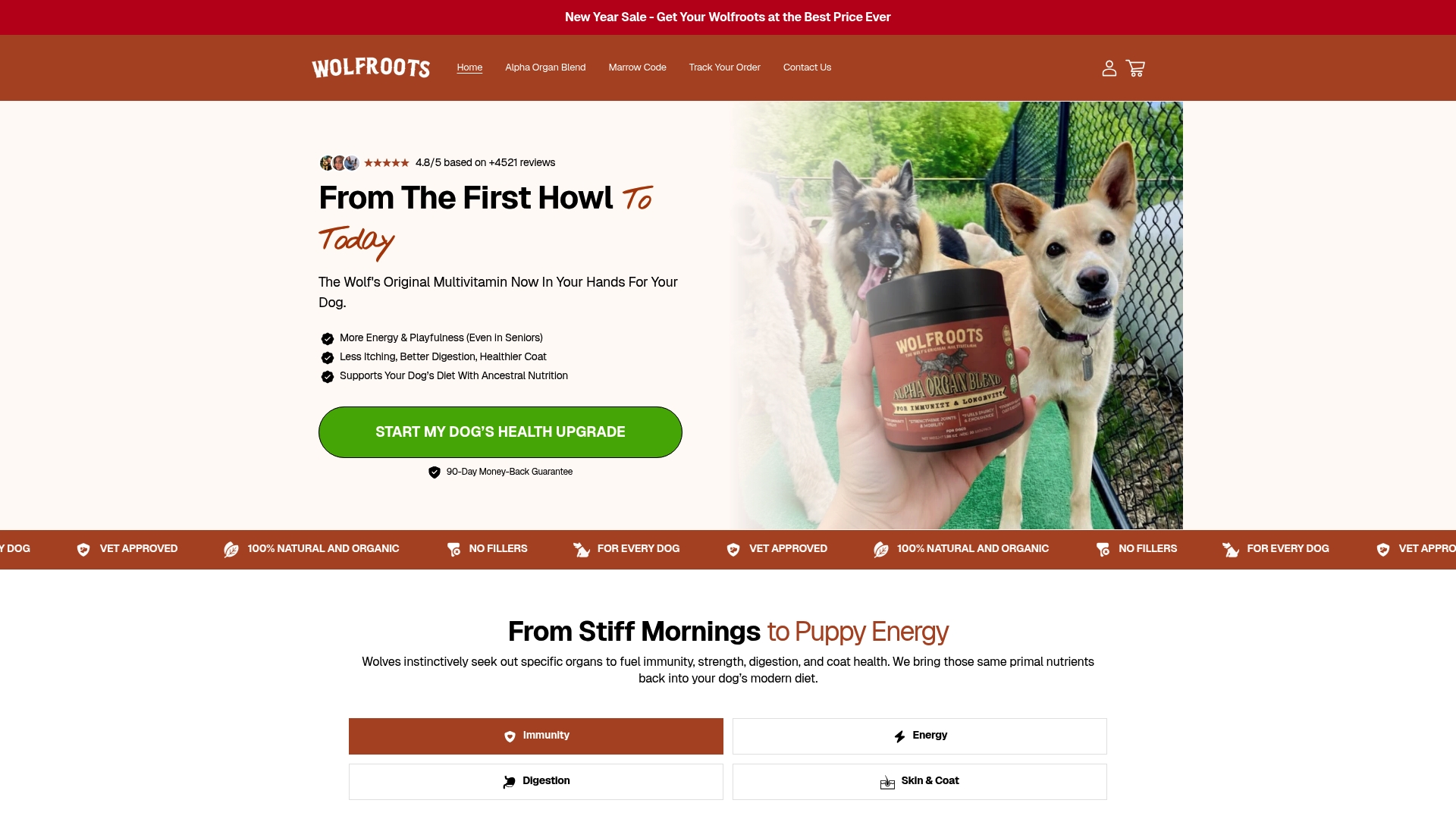
Our Alpha Organ Blend combines liver, heart, kidney, spleen, and pancreas in precise ratios that mirror ancestral diets. These nutrient-dense organs provide vitamins, minerals, and bioactive compounds that support joint health, cognitive function, and immune resilience in aging dogs. Every batch meets rigorous quality standards with vet approval you can trust.
We’ve eliminated the guesswork from supplementation. Our formulas deliver concentrated nutrition from whole food sources your dog’s body recognizes and absorbs efficiently. The 90-day money-back guarantee means you risk nothing while potentially gaining years of vitality for your beloved companion.
Discover how primal nutrition transforms senior dog health. Visit WolfRoots today and give your aging pet the ancestral support their body craves. Your senior dog’s best years don’t have to be behind them.
FAQ
What supplements are best for senior dogs?
Omega-3 fatty acids, glucosamine, chondroitin, and antioxidants consistently rank as the most beneficial supplements for aging dogs. These nutrients address inflammation, joint health, and cognitive function through proven mechanisms. Consult your veterinarian to tailor supplement choices to your dog’s specific health needs and conditions. Best dog supplements 2026 provide detailed comparisons to guide your selection.
How often should I take my senior dog to the vet?
Veterinarians recommend comprehensive physical exams and laboratory testing every 6 to 12 months for dogs over 7 years old. More frequent visits may be necessary if your dog has chronic conditions requiring monitoring. These regular checkups enable early detection and intervention for age-related diseases before they become serious. Don’t wait for obvious symptoms to seek veterinary care for your senior pet.
Can senior dogs get enough protein from natural diets?
Senior dogs often require higher protein intake to maintain lean muscle mass despite slower metabolism. Natural, fresh food diets easily provide adequate protein when properly balanced with quality animal sources like beef, chicken, fish, and organ meats. Work with your vet or a veterinary nutritionist to calculate appropriate protein levels based on your dog’s weight, activity level, and health status.
How do I introduce new supplements safely?
Start with a quarter of the recommended dose and gradually increase over 7 to 14 days while monitoring for digestive upset or allergic reactions. Give supplements with food to improve absorption and reduce stomach irritation. Discuss optimal dosing and timing with your veterinarian based on your dog’s weight, health conditions, and current medications. Introduce dog supplements safely offers step-by-step protocols for smooth transitions.