


What Is Canine Multivitamin? Key Benefits Explained
Finding trustworthy supplements for aging or special-needs dogs can be confusing, especially with so many options claiming to improve health and vitality. For health-conscious American pet owners, understanding what makes a canine multivitamin truly beneficial—and safe—is key to supporting their dog’s well-being. This guide breaks down the core ingredients, vet guidelines, and common misconceptions about multivitamins, helping you pick the most effective natural support for your dog’s unique needs.
Table of Contents
- What Is a Canine Multivitamin?
- Types and Ingredients in Dog Multivitamins
- How Canine Multivitamins Support Health
- Choosing Safe and Effective Formulas
- Risks, Misconceptions, and Common Mistakes
Key Takeaways
| Point | Details |
|---|---|
| Importance of Canine Multivitamins | Canine multivitamins ensure dogs receive essential nutrients and support overall health, particularly in cases of specific health challenges or dietary restrictions. |
| Tailored Formulations | Various multivitin types and formulations address unique health needs based on age, breed, health status, and nutritional gaps. |
| Consultation with Veterinarians | It is essential to consult with a veterinarian before starting any multivitamin regimen to choose the right supplement for your dog’s specific health profile. |
| Risks of Over-Supplementation | Excessive intake of vitamins can lead to toxicity and nutritional imbalances; thus, proper guidance and monitoring are crucial. |
What Is a Canine Multivitamin?
Canine multivitamins are specialized nutritional supplements designed to provide essential vitamins, minerals, and nutrients that support a dog’s overall health and well-being. These comprehensive formulations help fill potential nutritional gaps that might exist in a dog’s regular diet, ensuring they receive balanced and complete nutrition.
Multivitamins typically contain a strategic blend of key nutrients that support multiple bodily functions. Essential dog vitamin requirements can vary depending on a dog’s age, breed, size, and specific health conditions. These supplements often include crucial elements like:
- Vitamins A, D, E, and K
- B-complex vitamins
- Minerals such as calcium and phosphorus
- Trace elements like zinc and selenium
- Omega-3 and omega-6 fatty acids
While healthy dogs on high-quality commercial diets might not always require additional supplementation, certain circumstances make multivitamins beneficial. Multivitamin supplementation becomes particularly important for dogs experiencing specific health challenges, such as:
- Senior dogs with reduced nutrient absorption
- Dogs recovering from illness
- Pets with diminished appetite
- Canines with chronic health conditions
Dogs with specific dietary restrictions or those on homemade meal plans might also benefit significantly from targeted multivitamin support. These supplements help ensure balanced nutrition and can potentially address minor deficiencies that might develop over time.
Pro tip: Always consult with your veterinarian before starting any new supplement regimen to determine the most appropriate multivitamin for your dog’s unique health profile.
Types and Ingredients in Dog Multivitamins
Dog multivitamins come in diverse formulations designed to address specific health needs and nutritional requirements. Nutritional supplement compositions vary widely, targeting different aspects of canine health through strategic ingredient combinations.
Typical multivitamin ingredients include essential vitamins and minerals critical for maintaining a dog’s overall wellness:
- Vitamins A, B, C, D, E, and K: Support immune function, metabolism, and cellular health
- Minerals: Calcium, phosphorus, zinc, and magnesium for bone strength and metabolic processes
- Omega-3 fatty acids: Promote skin health and cognitive function
- Probiotics: Enhance digestive system performance
- Glucosamine and chondroitin: Support joint health and mobility
Supplement formulations are typically tailored to address specific life stages and health conditions. These specialized multivitamins might include targeted ingredients for:
- Puppy development
- Senior dog nutrition
- Weight management
- Breed-specific health concerns
- Recovery from illness
Multivitamins are available in various convenient formats, including chewable tablets, soft gels, powders, and liquid supplements. Each form offers unique advantages, allowing pet owners to select the most suitable option for their dog’s preferences and nutritional needs.
Below is a comparison of different multivitamin formats for dogs:
| Format | Ease of Use | Best For |
|---|---|---|
| Chewable Tablet | Simple to administer | Most adult dogs |
| Soft Gel | Easy swallowing | Small or senior dogs |
| Powder | Mixes with food | Picky eaters |
| Liquid | Precise dosing | Dogs with health needs |
Here is a summary of common dog multivitamin ingredients and their primary functions:
| Ingredient | Main Function | Example Benefit |
|---|---|---|
| Vitamin A | Supports vision and immunity | Clear eyesight |
| Vitamin D | Regulates calcium absorption | Strong bones |
| B-complex Vitamins | Boost metabolism and energy | Healthy appetite |
| Vitamin E | Provides antioxidant protection | Healthier skin |
| Omega-3 Fatty Acids | Aid brain and joint health | Improved mobility |
| Glucosamine & Chondroitin | Promote joint and cartilage care | Active lifestyle |
| Probiotics | Enhance digestive balance | Better gut health |
| Zinc and Selenium | Support immune responses | Faster recovery |
Pro tip: Consult with your veterinarian to determine the most appropriate multivitamin type and dosage specific to your dog’s individual health requirements.
How Canine Multivitamins Support Health
Canine multivitamins play a crucial role in supporting comprehensive health and wellness for dogs across different life stages. Dietary antioxidants and immune support are key mechanisms through which these supplements enhance a dog’s overall physiological functioning.
Multivitamins contribute to vital bodily processes through multiple essential mechanisms:
- Immune System Enhancement: Boost natural defense mechanisms
- Cellular Protection: Reduce oxidative stress and DNA damage
- Metabolic Regulation: Support efficient energy conversion
- Tissue Repair: Accelerate healing and recovery processes
- Nutritional Optimization: Fill potential dietary gaps
Multivitamin health benefits extend across several critical physiological domains:
- Bone health and protein synthesis
- Nerve function and neurological support
- Blood clotting and circulation
- Metabolism and energy production
- Antioxidant defense against cellular damage
Specific vitamin components work synergistically to support different bodily functions. Vitamin K assists with blood clotting, B-complex vitamins aid metabolic processes, and antioxidant vitamins like C and E help neutralize harmful free radicals that can compromise cellular health.
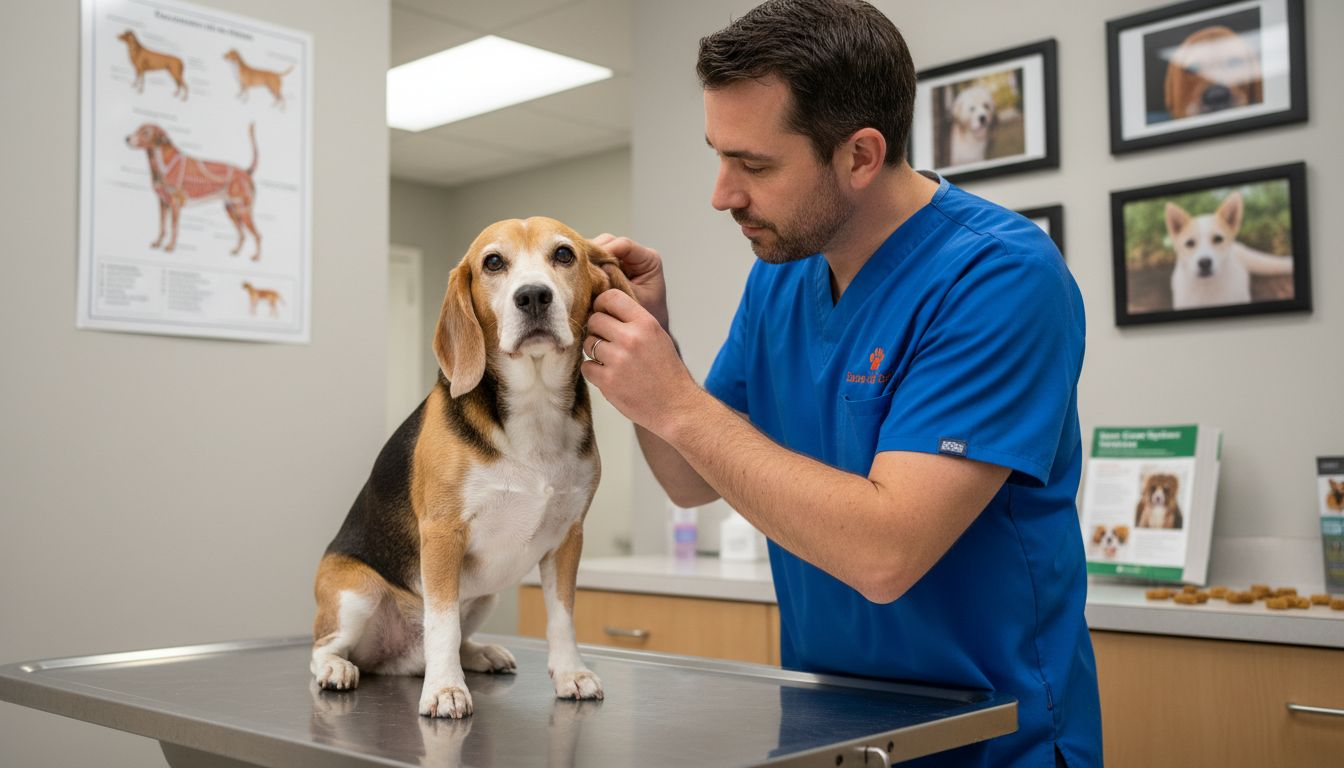
Pro tip: Monitor your dog’s response to multivitamins and schedule regular veterinary check-ups to ensure the supplement continues meeting their evolving nutritional needs.
Choosing Safe and Effective Formulas
Selecting the right canine multivitamin requires careful consideration and informed decision-making. Multivitamin safety guidelines emphasize the importance of choosing high-quality supplements tailored to your dog’s specific health needs.
Key factors to consider when selecting a multivitamin include:
- Manufacturer Reputation: Choose brands with proven track records
- Quality Certifications: Look for NASC (National Animal Supplement Council) seal
- Ingredient Transparency: Seek clear, comprehensive labeling
- Bioavailability: Prioritize easily absorbed nutrient forms
- Veterinarian Recommendations: Get professional guidance
Selecting effective multivitamin formulas requires a comprehensive approach that considers multiple health factors:
- Assess your dog’s age and life stage
- Evaluate existing health conditions
- Consider breed-specific nutritional requirements
- Review current diet and potential nutritional gaps
- Consult with a veterinary professional
Critical red flags to watch for include unclear ingredient lists, lack of quality certifications, and one-size-fits-all formulations that don’t account for individual dog needs. Tailored supplements that address specific health concerns are typically more effective than generic multivitamin options.
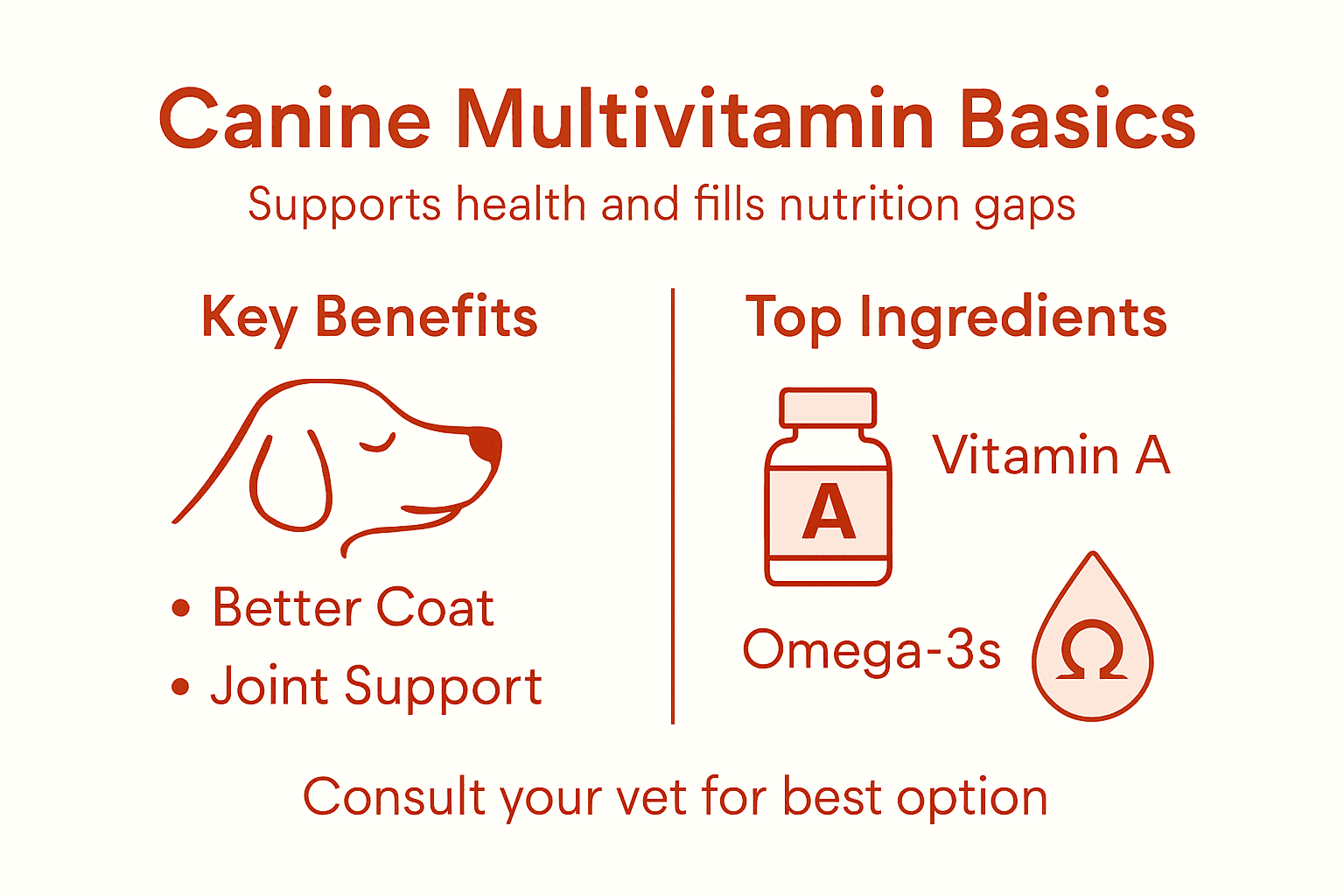
Pro tip: Maintain a detailed health journal to track your dog’s response to multivitamin supplements and share these observations during veterinary consultations.
Risks, Misconceptions, and Common Mistakes
Canine multivitamin supplementation requires careful understanding to avoid potential health risks. Common vitamin supplementation errors can lead to unintended consequences that may compromise a dog’s overall health.
Key misconceptions about dog vitamins include:
- Universal Necessity: Not all dogs require additional supplementation
- Human Vitamin Equivalence: Dog and human vitamins differ significantly
- More Is Better: Excessive vitamins can be harmful
- No Professional Guidance: Veterinary consultation is crucial
- Dietary Replacement: Vitamins cannot substitute a balanced diet
Potential risks associated with improper multivitamin use involve:
- Vitamin toxicity, especially with fat-soluble vitamins
- Nutrient imbalances
- Masking underlying health conditions
- Unnecessary financial expenditure
- Potential adverse interactions with existing medications
Fat-soluble vitamins like A and D pose particular risks when overdosed, as they accumulate in body tissues and can cause serious health complications. Some dogs receiving balanced commercial diets may not need additional supplementation at all, making professional veterinary guidance essential before starting any vitamin regimen.
Pro tip: Request a comprehensive blood panel from your veterinarian to identify specific nutritional deficiencies before starting any multivitamin supplement.
Support Your Dog’s Health With Natural Canine Multivitamins
Understanding the importance of canine multivitamins means recognizing the challenges dogs face such as nutrient gaps, reduced absorption with age, and recovery from illness. If you want to provide your dog with proven support for immunity, joint health, and overall vitality through natural, organ-based nutrition, WolfRoots offers unique solutions designed around these exact needs. Our primal blends incorporate essential vitamins, minerals, and organ nutrients inspired by wolf diets to help your dog thrive.
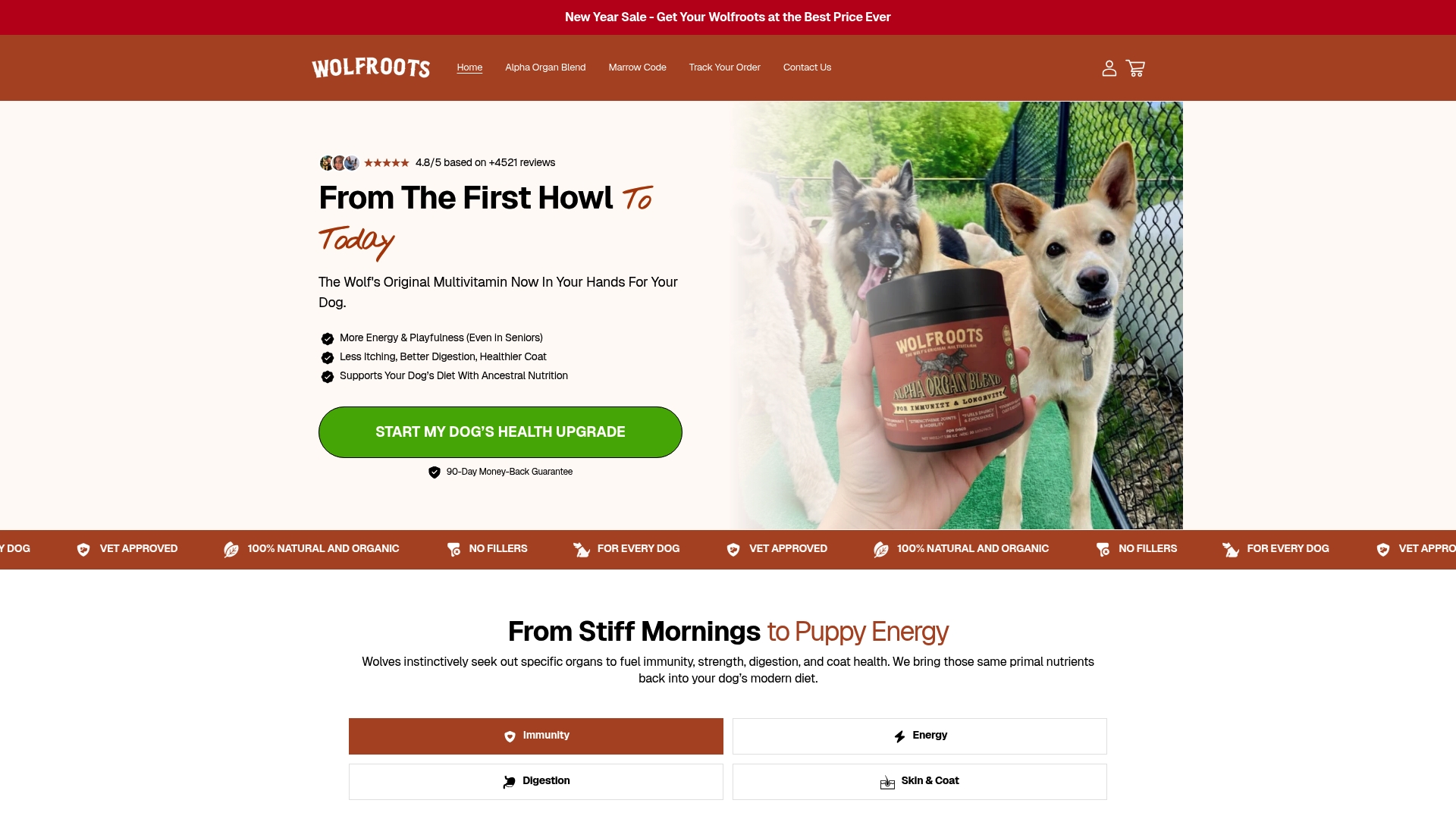
Explore our premium selection by visiting the Shop – WolfRoots today. Take the first step toward holistic health by choosing supplements crafted with care and backed by veterinary approval. For dog owners committed to natural wellness, now is the time to improve your pet’s vitality with WolfRoots at https://wolfroots.com. Discover the power of true canine nutrition and see the difference for yourself.
Frequently Asked Questions
What are the key nutrients found in canine multivitamins?
Canine multivitamins typically include essential vitamins such as A, D, E, and K, B-complex vitamins, important minerals like calcium and phosphorus, trace elements like zinc and selenium, and beneficial omega-3 and omega-6 fatty acids.
Why might my dog need a multivitamin?
Dogs may benefit from multivitamins if they are seniors, recovering from illness, have a diminished appetite, or follow a homemade diet that may lack complete nutrition. Multivitamins help fill any potential dietary gaps.
How do I choose the right multivitamin for my dog?
To select the appropriate multivitamin, consider your dog’s age, existing health conditions, breed-specific nutritional needs, and current diet. Consulting with a veterinarian is crucial for tailored recommendations.
Are there any risks associated with giving my dog multivitamins?
Yes, potential risks include vitamin toxicity, nutrient imbalances, masking underlying health issues, and unnecessary financial expenditure. It’s essential to consult your veterinarian before starting any supplementation regimen.
Recommended
- Why Dogs Need Multivitamins for Optimal Vitality – WolfRoots
- 7 Essential Vitamins for Dogs Naturally Explained – WolfRoots
- News – WolfRoots
- Supplements for Senior Dogs: Boosting Vitality Naturally – WolfRoots