


6 Top Joint Support Options for Dogs: A Guide for Owners
Watching your senior dog slow down can be heartbreaking. Maybe your once energetic companion struggles with stairs or avoids their favorite games. These changes often hint at underlying joint problems that, if caught early, can be addressed with the right approach.
You want your dog’s golden years to be comfortable, happy, and full of movement. The good news is, you have real options. Understanding joint health and the steps you take now will make a big difference in your dog’s daily life.
This guide reveals actionable strategies, from effective supplements to safe home adjustments, all aimed at supporting your senior dog’s mobility. Discover the practical insights that help you recognize problems early, choose the right support, and keep your dog active for years to come.
Table of Contents
- 1. Understanding Joint Issues in Senior Dogs
- 2. The Role of Diet and Organ-Based Supplements
- 3. Benefits of Collagen and Bone Marrow Chews
- 4. Glucosamine and Chondroitin: Vet-Approved Choices
- 5. Environmental and Lifestyle Changes for Mobility
- 6. When to Consult Your Veterinarian for Joint Care
Quick Summary
| Takeaway | Explanation |
|---|---|
| 1. Monitor Joint Symptoms Early | Watch for subtle signs like stiffness or limping to catch joint issues before they worsen. Early detection allows for better intervention. |
| 2. Prioritize Diet for Joint Health | Provide specific nutrients like glucosamine and omega-3 fatty acids to support cartilage and reduce inflammation. Nutrition forms the foundation of joint health. |
| 3. Maintain Regular Vet Visits | Schedule routine check-ups for senior dogs to monitor joint health. Regular evaluations help track changes and adjust treatment as necessary. |
| 4. Incorporate Gentle Exercise | Engage in moderate daily activities like short walks or swimming to keep joints flexible and strengthen muscles without overstressing them. |
| 5. Use Quality Supplements | Choose well-researched supplements like glucosamine and chondroitin, and ensure they are from trusted sources to maximize their effectiveness and safety. |
1. Understanding Joint Issues in Senior Dogs
Your senior dog’s mobility might not be what it once was. Stiffness, limping, or reluctance to climb stairs can signal deeper joint problems that deserve your attention.
Osteoarthritis is the primary culprit behind joint pain in aging dogs. This condition develops when the cartilage protecting bones deteriorates over time, causing inflammation, pain, and decreased movement. Unlike a sudden injury, osteoarthritis sneaks up gradually, which is why many owners miss early warning signs.
The progression can be subtle at first. Your dog might hesitate slightly before jumping onto the couch or take a moment to stand after resting. As joint damage progresses, these signs become more obvious, affecting quality of life and daily activities.
Key risk factors that increase osteoarthritis likelihood include:
- Large breed size (larger dogs carry more joint stress)
- Obesity (extra weight accelerates joint wear)
- Age (senior dogs face higher risk)
- Previous injuries or trauma
- Genetic predispositions
- Repetitive stress from activity
Breed matters too. Certain dogs inherit joint vulnerabilities like hip dysplasia or elbow dysplasia, which can trigger earlier osteoarthritis development. Understanding your dog’s specific risk factors helps you take proactive steps today.
Early detection changes everything. Dogs showing joint pain and dysfunction benefit most from intervention before significant damage occurs. Your veterinarian can diagnose osteoarthritis through physical examination and imaging, guiding your treatment approach.
Early management of joint issues prevents progression and significantly improves your dog’s quality of life.
Notice patterns in your dog’s behavior. Does stiffness improve with movement? Does cold weather make limping worse? These observations help your vet understand what’s happening beneath the surface.
Management isn’t about accepting decline—it’s about restoring vitality. Natural joint support, weight management, gentle exercise, and proper nutrition work together to slow progression and reduce pain.
Pro tip: Document your dog’s activity patterns and any mobility changes before your vet visit, as specific examples help your veterinarian make accurate diagnosis and recommend targeted treatment options.
2. The Role of Diet and Organ-Based Supplements
What your dog eats directly impacts joint health and mobility. The right nutritional foundation can slow cartilage deterioration and support the body’s natural repair mechanisms.
Nutrition is where joint support begins. Your dog’s body needs specific building blocks to maintain cartilage, reduce inflammation, and strengthen connective tissue. Without proper nutrition, even the most dedicated exercise routine falls short.
Organ-based supplements tap into ancestral strength. Your dog’s wolf ancestors consumed whole prey, including organ meats rich in natural compounds that support joint function and overall vitality. These concentrated nutrients provide what modern commercial diets often lack.
Key nutrients for joint health include:
- Glucosamine (supports cartilage repair and cushioning)
- Chondroitin (helps retain water in cartilage for flexibility)
- Omega-3 fatty acids (reduce inflammation naturally)
- Antioxidants (protect cells from damage)
- Probiotics (improve nutrient absorption)
Many pet owners wonder if supplements actually work. Research shows that popular supplements like glucosamine and fish oil can improve joint function, though results vary between individual dogs. The key is consistency and quality.
Not all supplements are created equal. Quality varies dramatically across the market. Some products lack rigorous testing or contain questionable ingredients. Third-party testing ensures product safety and efficacy, protecting your investment and your dog’s health.
Consider your dog’s specific situation. Does your senior dog have kidney issues? Liver concerns? Medications that might interact with supplements? These factors matter when choosing the right approach. Your veterinarian should guide supplement selection.
The best supplement program combines quality nutrition, organ-based nutrients, and veterinary oversight for optimal results.
Organ supplements represent primal nutrition restored. Beef liver, heart, kidney, and other organs contain bioavailable nutrients your dog’s body recognizes and uses efficiently. This ancestral approach honors your dog’s biological heritage.
Start slowly when introducing new supplements. Monitor your dog’s response over weeks, not days. Joint support requires patience as your dog’s body rebuilds and repairs what time has worn down.
Pro tip: Introduce supplements gradually over 7-10 days while watching for digestive changes, then maintain consistent daily dosing while tracking improvements in mobility and comfort over 4-6 weeks for accurate results.
3. Benefits of Collagen and Bone Marrow Chews
Your dog’s joints need raw materials to rebuild and repair. Collagen and bone marrow chews provide concentrated sources of the exact compounds your senior dog’s body craves for mobility restoration.
Collagen is the structural protein holding your dog’s joints together. It forms the framework of cartilage, tendons, and ligaments. When collagen degrades with age, joints lose cushioning and flexibility. Supplementing with collagen addresses this loss directly.
Hydrolyzed collagen peptides show promising results for cartilage repair and pain reduction. These bioavailable forms penetrate easily, signaling your dog’s body to produce more collagen naturally. The effect compounds over time as joint health improves progressively.
Bone marrow represents primal nutrition at its finest. Your dog’s wolf ancestors understood this instinctively. Bone marrow delivers specific compounds that nourish joints and reduce inflammation from within.
What makes bone marrow special:
- Rich in minerals (calcium, phosphorus, magnesium)
- Contains glycine, an amino acid supporting cartilage repair
- Provides natural anti-inflammatory compounds
- Supports immune system function
- Enhances coat and skin health as bonus benefits
Bone broth derived from marrow offers similar benefits in liquid form. You can add it to your dog’s meals or offer it separately. The warm liquid also aids digestion and nutrient absorption.
Chews provide practical delivery. Your senior dog gets joint support while satisfying natural chewing instincts. Chewing releases beneficial compounds slowly, maximizing absorption. Plus, the mental stimulation from chewing supports overall wellness.
Collagen and bone marrow work synergistically, addressing joint structure and inflammation simultaneously for comprehensive support.
Start with quality products. Look for items free from fillers, preservatives, and unnecessary additives. The purity of these ancestral nutrients determines their effectiveness. Your dog’s body recognizes and utilizes real bone marrow and collagen efficiently.
Consistency matters most. Daily supplementation over weeks builds cumulative benefits. You won’t see dramatic overnight changes, but gradual improvements in movement and comfort become apparent.
Pro tip: Offer bone marrow chews after meals or light activity rather than before exercise, allowing your dog to absorb nutrients optimally while minimizing digestive stress.
4. Glucosamine and Chondroitin: Vet-Approved Choices
These two compounds are the workhorses of veterinary joint care. Glucosamine and chondroitin represent decades of clinical research into supporting cartilage health and mobility.
Glucosamine is an amino sugar your dog’s body uses to build and maintain cartilage. It acts as a building block, providing raw materials for cartilage repair. When joints deteriorate, supplementing with glucosamine gives your dog’s body what it needs to rebuild.
Chondroitin sulfate works alongside glucosamine. It helps cartilage retain water, maintaining cushioning and flexibility. Chondroitin also blocks enzymes that break down cartilage, acting as a protective shield against further damage.
How they function together:
- Glucosamine supplies building blocks for cartilage reconstruction
- Chondroitin protects existing cartilage from enzyme degradation
- Both reduce inflammation in affected joints
- The combination supports cartilage elasticity and shock absorption
- Early administration provides best preventive results
Veterinarians recommend glucosamine and chondroitin as part of a comprehensive approach. These compounds are commonly prescribed for osteoarthritis management because they address cartilage health directly. However, results improve significantly when combined with other therapies.
Expect gradual improvements. Glucosamine and chondroitin work slowly but steadily, rebuilding joint structure over weeks and months. Patience is essential because your dog’s body needs time to respond and adapt.
What research shows matters. Clinical evidence indicates mixed results when glucosamine and chondroitin are used alone, but they shine as part of multimodal treatment plans. Combining them with omega-3 fatty acids, proper weight management, and appropriate exercise enhances effectiveness dramatically.
Glucosamine and chondroitin perform best as part of an integrated joint support strategy, not as standalone treatments.
Quality varies between products. Look for veterinary-grade glucosamine and chondroitin with third-party verification. Your vet can recommend trusted brands with proven bioavailability and consistency.
Dosing depends on your dog’s size and condition. Your veterinarian determines the appropriate amount based on weight and severity of joint issues. Never guess on dosing, as consistency and correct amounts drive results.
Pro tip: Start glucosamine and chondroitin early in your dog’s life or as soon as joint issues appear, since these supplements work best preventatively and in early osteoarthritis stages before severe cartilage damage occurs.
5. Environmental and Lifestyle Changes for Mobility
Supplements and nutrition form the foundation, but your dog’s environment and daily routine matter equally. Small changes to your home and lifestyle can dramatically improve your senior dog’s comfort and mobility.
Weight management is the first priority. Extra pounds amplify stress on aging joints, accelerating deterioration. A lean dog moves more freely and experiences less pain. Work with your vet to establish a healthy weight target for your dog’s breed and frame.
Regular, gentle exercise keeps joints flexible and muscles strong. Your dog doesn’t need marathons—consistent, moderate activity works best. Daily walks maintain joint flexibility while building supportive muscle around injured areas. Short walks multiple times daily outperform occasional long outings.
Exercise strategies for senior dogs:
- Short walks on soft surfaces (grass, trails) rather than concrete
- Swimming or water therapy for low-impact movement
- Gentle play sessions that don’t involve jumping or sharp turning
- Consistent, predictable activity rather than sporadic intense exercise
- Rest days incorporated into the routine
Environmental modifications prevent injury and encourage movement. Remove obstacles from walkways. Provide orthopedic bedding that cushions aging joints. Place food and water bowls at comfortable heights to minimize bending and strain.
Stairs and slippery floors present challenges. Consider ramps for deck or porch access. Non-slip surfaces on hardwood flooring reduce slipping and falling. Elevated feeding stations ease pressure on neck and shoulders during meals.
Temperature affects mobility. Cold weather stiffens joints and increases discomfort. Provide warm, dry sleeping areas away from drafts. Consider sweaters for winter walks. Heat therapy, like warm baths or heated pads, reduces stiffness before activity.
Environmental comfort and consistent gentle activity unlock mobility improvements that supplements alone cannot achieve.
Mental stimulation matters too. Engaging your dog’s mind reduces stress and supports overall wellness. Puzzle toys, sniff games, and interactive play keep senior dogs mentally active without taxing aging joints.
Adjust expectations seasonally. Your dog may move differently in winter versus summer. Humidity affects some dogs’ joints. Monitor your dog’s comfort and adapt activity levels accordingly.
Pro tip: Schedule exercise sessions at consistent times daily, preferably after meals or warm-up periods, and monitor your dog’s gait and energy immediately after activity to identify ideal exercise duration without causing next-day stiffness.
6. When to Consult Your Veterinarian for Joint Care
Your veterinarian is your partner in restoring your dog’s vitality. Knowing when to seek professional guidance ensures early intervention and the best possible outcomes for your senior dog’s joints.
Early detection changes everything. Don’t wait for severe limping or complete mobility loss. Subtle signs warrant veterinary attention. These early interventions prevent progression and preserve quality of life before significant damage occurs.
Watch for warning signs that signal joint problems:
- Difficulty standing after resting or sleeping
- Reluctance to jump, climb stairs, or enter vehicles
- Limping or favoring one leg over others
- Muscle wasting around the hips or shoulders
- Behavioral changes like irritability or withdrawal
- Stiffness that improves with movement
- Difficulty with toileting or grooming
Prompt consultation when you notice joint pain signs allows vets to diagnose issues early. Your veterinarian performs physical examinations and imaging studies to understand what’s happening beneath the surface. This diagnostic clarity guides all subsequent treatment decisions.
Your vet becomes your guide. They recommend appropriate medications, supplements, physical therapy, and lifestyle modifications tailored specifically to your dog. This personalized approach works far better than generic solutions.
Regular senior wellness visits maintain joint health monitoring. Dogs over seven years benefit from more frequent veterinary evaluations. A strong veterinarian-client-patient relationship ensures continuous care as your dog’s needs evolve.
Bring complete information to appointments. Document when limping started, which legs are affected, activity levels, and daily pain patterns. Video recordings of your dog walking or climbing stairs provide valuable insight. The more details you provide, the better your vet can help.
A proactive veterinary partnership catches joint issues early, preventing progression and preserving your dog’s independence.
Discuss supplement timing with your vet. Some compounds interact with medications. Your veterinarian ensures any supplements complement prescribed treatments without conflicts. This coordination prevents complications and maximizes effectiveness.
Track changes over time. Keep notes on mobility improvements or setbacks. Report these observations at checkups. Ongoing communication helps your vet adjust treatment strategies as your dog’s condition evolves.
Don’t rely solely on supplements. While quality nutrition and natural support matter greatly, they work best within a comprehensive veterinary care plan. Your vet coordinates all elements for optimal results.
Pro tip: Schedule veterinary visits when your dog is moving reasonably well, not during acute pain episodes, so your vet can observe baseline function and make clearer assessment comparisons at follow-up appointments.
Below is a comprehensive table summarizing the main topics and strategies discussed throughout the article, which focuses on understanding and managing joint issues in senior dogs.
| Aspect | Description | Key Takeaways |
|---|---|---|
| Joint Issues in Seniors | Addresses symptoms like stiffness, limping, and decreased activity, often caused by osteoarthritis. | Early detection is crucial for effective management and improved quality of life. |
| Risk Factors | Large breeds, obesity, age, genetic predispositions, previous injuries, and repetitive stress highlight risk factors for joint issues. | Identifying and mitigating these factors can help delay or prevent joint deterioration. |
| Role of Nutrition | A diet including glucosamine, chondroitin, omega-3s, and antioxidants supports joint repair and reduces inflammation. | Proper nutrition complements other treatments to maintain joint health |
| Supplements | Supplements like glucosamine, chondroitin, collagen, and bone marrow chews provide essential nutrients for joint repair and comfort. | Quality and consistency in supplementation are critical for long-term efficacy. |
| Environmental Adjustments | Modifications like orthopedic bedding, ramps, non-slip mats, and temperature control support a senior dog’s mobility. | Creating a comfortable environment enhances overall well-being and aids daily movement. |
| Veterinary Collaboration | Regular vet visits for checkups, diagnostics, and guidance on medications or treatment plans are essential. | Partnership with a vet ensures tailored and comprehensive joint care management. |
This table encapsulates the article’s insights and provides actionable strategies for improving the quality of life for senior dogs experiencing joint issues.
Restore Your Senior Dog’s Vitality with Primal Joint Support Solutions
Joint pain and stiffness can steal the joy from your senior dog’s daily life. Whether you’ve noticed limping, reluctance to climb stairs, or signs of osteoarthritis, it’s critical to act early and provide comprehensive care that addresses cartilage repair, inflammation, and mobility. The challenge is finding natural, effective options that honor your dog’s ancestral biology and work in harmony with their body.
At Wolfroots, we specialize in premium, organ-based supplements inspired by the primal diets of wolves. Our formulas combine potent collagen and bone marrow chews with vital organ nutrients like liver, heart, and kidney to support joint structure, reduce inflammation, and improve overall health. Trusted by vets and loved by dog owners, these supplements provide holistic benefits beyond just joint relief—including enhanced immunity, energy, and digestion.
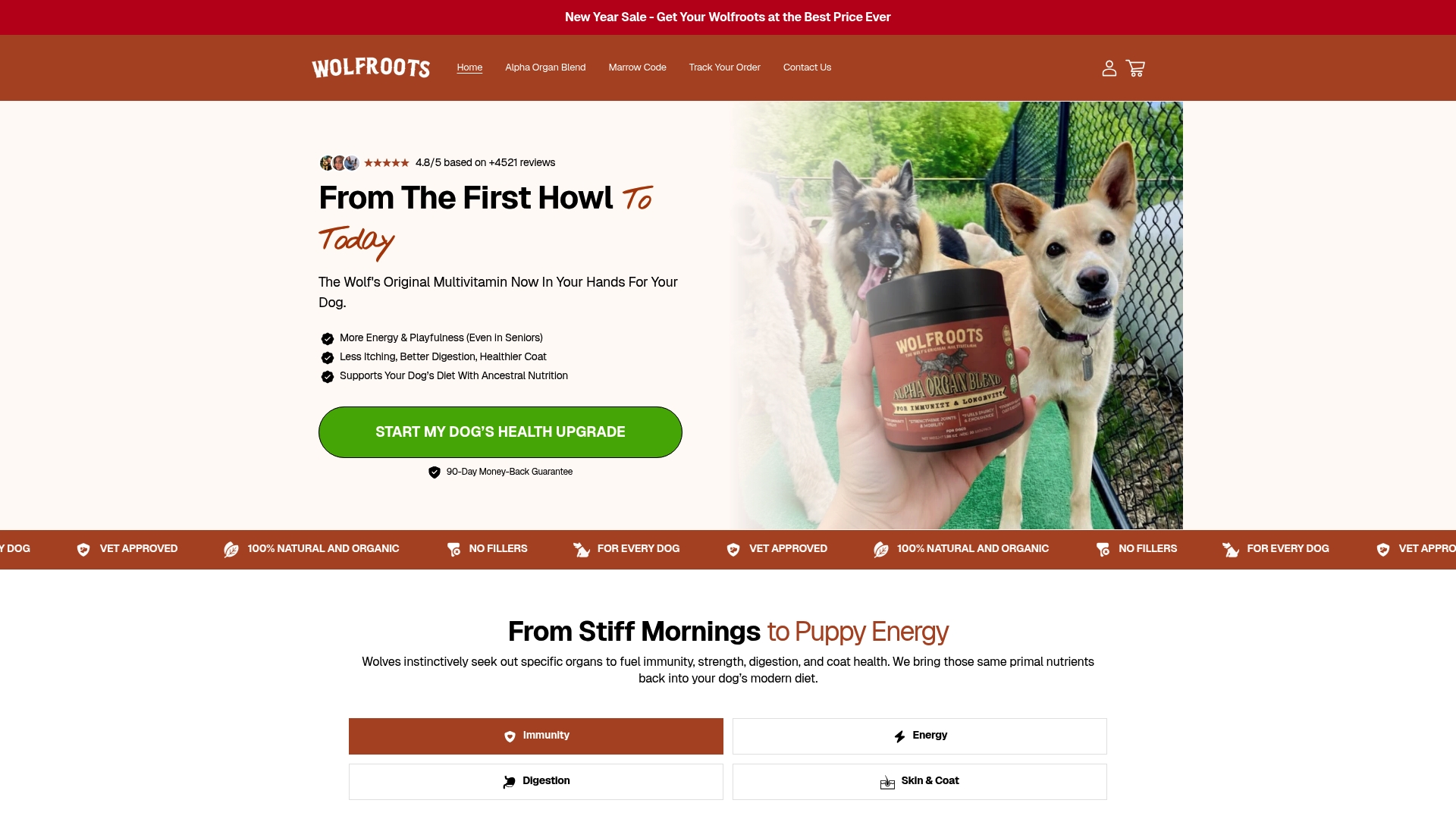
Give your dog the gift of restored freedom today. Don’t wait until stiffness worsens or pain limits their movement. Explore our full range of natural joint support options at Wolfroots and discover how primal nutrition can transform your dog’s mobility and quality of life. Take the first step towards maintaining your dog’s comfort with targeted organ-based nutrition and proven joint formulas designed for lasting results.
Frequently Asked Questions
What are the top joint support options for dogs?
The top joint support options for dogs include supplements such as Glucosamine and Chondroitin, Omega-3 fatty acids, collagen, bone marrow chews, and organ-based supplements. Consider incorporating these into your dog’s diet alongside regular veterinary check-ups to monitor joint health.
How can I recognize joint issues in my senior dog?
Watch for signs such as difficulty standing after sleeping, reluctance to jump or climb stairs, limping, or behavioral changes like irritability. Consult your veterinarian for a comprehensive evaluation if you notice any of these symptoms.
When should I start using joint support supplements for my dog?
Begin using joint support supplements as soon as you notice early signs of joint issues or if your dog is a senior breed. Early intervention can preserve joint health and enhance your dog’s quality of life within a few weeks of consistent use.
How long does it take to see improvement in my dog’s mobility with joint support options?
You may start to see improvements in your dog’s mobility and comfort within 4–6 weeks of consistent use of joint support options. Keep track of your dog’s activity level and report any notable changes to your veterinarian for better guidance.
Are there lifestyle changes I should make to support my dog’s joint health?
Yes, maintaining a healthy weight and providing regular, gentle exercise can significantly benefit your dog’s joint health. Aim for short, daily walks and make adjustments to your dog’s living environment, such as using orthopedic beds and ramps for easier access, to reduce joint strain and promote comfort.
How can I ensure I choose the right joint supplements for my dog?
Choose joint supplements with quality ingredients and look for those that have undergone third-party testing for safety and effectiveness. Discuss your dog’s specific needs with your veterinarian to tailor a joint support regimen that complements their current health condition.