


Probiotics for Dogs: 40% Reduction in Diarrhea Episodes
Many dog owners assume all probiotics are the same, but research shows only certain strains effectively support dog digestion. Probiotics play a critical role in supporting digestion and immune health in dogs, particularly seniors and health-compromised pets. This guide explains how probiotics work, their benefits, and how to safely use them for your dog.
Table of Contents
- Introduction To Probiotics And Dog Digestion
- How Probiotics Enhance Dog Digestive Health
- Benefits Of Probiotics For Senior And Health-Compromised Dogs
- Common Misconceptions About Probiotics For Dogs
- Safety And Vet-Approved Status Of Probiotics For Dogs
- Choosing And Using Probiotic Supplements For Dogs
- Integrating Probiotics With Organ-Based Nutrition For Digestion
- Boost Your Dog’s Health With Vet-Approved Supplements
Key Takeaways
| Point | Details |
|---|---|
| Probiotics restore microbiota balance | These beneficial bacteria improve digestion by maintaining healthy gut flora and supporting nutrient absorption in dogs. |
| Senior dogs benefit significantly | Regular probiotic use reduces diarrhea episodes by up to 40% in older and health-compromised dogs. |
| Strain-specific effects matter | Not all probiotics work the same; vet-approved choices ensure your dog receives effective, safe supplementation. |
| Safe with proper guidance | Probiotics are generally safe but require careful selection and veterinary consultation, especially for vulnerable dogs. |
| Synergy with organ-based nutrition | Combining probiotics with organ supplements supports holistic digestive health and immune function. |
Introduction to Probiotics and Dog Digestion
Probiotics are live beneficial microorganisms that support your dog’s digestive health. The canine gut contains trillions of bacteria, fungi, and other microbes collectively known as the gut microbiota. This diverse ecosystem plays crucial roles in digestion, nutrient absorption, and immune defense.
When balanced, your dog’s gut microbiota helps break down food, produces essential vitamins, and protects against harmful pathogens. However, factors like stress, antibiotics, poor diet, or illness can disrupt this balance, leading to dysbiosis. This imbalance may cause digestive problems, weakened immunity, and reduced vitality.
Research demonstrates that probiotics regulate canine intestinal health by modulating microbiota, strengthening the epithelial barrier, and enhancing immunity. They work by:
- Restoring healthy bacterial populations in the gut
- Preventing harmful bacteria from colonizing the intestinal lining
- Supporting the production of protective compounds
- Enhancing communication between gut cells and immune cells
Understanding canine gut microbiota research helps you appreciate why maintaining this delicate balance matters so much for your dog’s overall health. The right probiotic strains can make a measurable difference in digestive function and quality of life.
How Probiotics Enhance Dog Digestive Health
Probiotics actively promote digestive health through several scientifically validated mechanisms. These beneficial bacteria don’t just pass through your dog’s system; they engage with intestinal tissues and resident microbes to create lasting improvements.
First, probiotics help maintain healthy microbiota composition. They compete with harmful bacteria for nutrients and attachment sites on the intestinal wall. This competitive exclusion prevents pathogens from establishing infections and causing digestive upset.
Second, they strengthen the intestinal epithelial barrier. Studies show probiotics produce short-chain fatty acids that nourish intestinal lining cells and modulate immune responses. These compounds, particularly butyrate, provide energy to colonocytes and reduce inflammation.
Third, probiotics enhance immune function in the digestive tract. They stimulate the production of protective antibodies and help regulate inflammatory responses. This immune modulation is particularly valuable for dogs prone to food sensitivities or inflammatory bowel conditions.
Fourth, research confirms probiotics regulate intestinal microbiota balance and prevent dysbiosis-related diseases. They promote the growth of other beneficial bacteria through synergistic interactions.
Key mechanisms include:
- Production of antimicrobial substances that inhibit pathogen growth
- Enhancement of mucus layer protecting intestinal cells
- Stimulation of tight junction proteins that prevent leaky gut
- Modulation of pH levels to favor beneficial bacteria
Pro tip: Consistent probiotic use supports long-term gut health, not just immediate relief. Think of probiotics as a daily investment in your dog’s digestive resilience rather than a quick fix for acute problems.
Explore more about improving dog nutrition naturally to complement probiotic benefits. For detailed probiotic mechanisms and NCCIH probiotic safety information, these resources provide comprehensive scientific context.
Benefits of Probiotics for Senior and Health-Compromised Dogs
Older dogs face unique digestive challenges. As dogs age, their gut microbiota naturally declines in diversity and beneficial bacterial populations decrease. This reduction compromises digestive efficiency, nutrient absorption, and immune function.
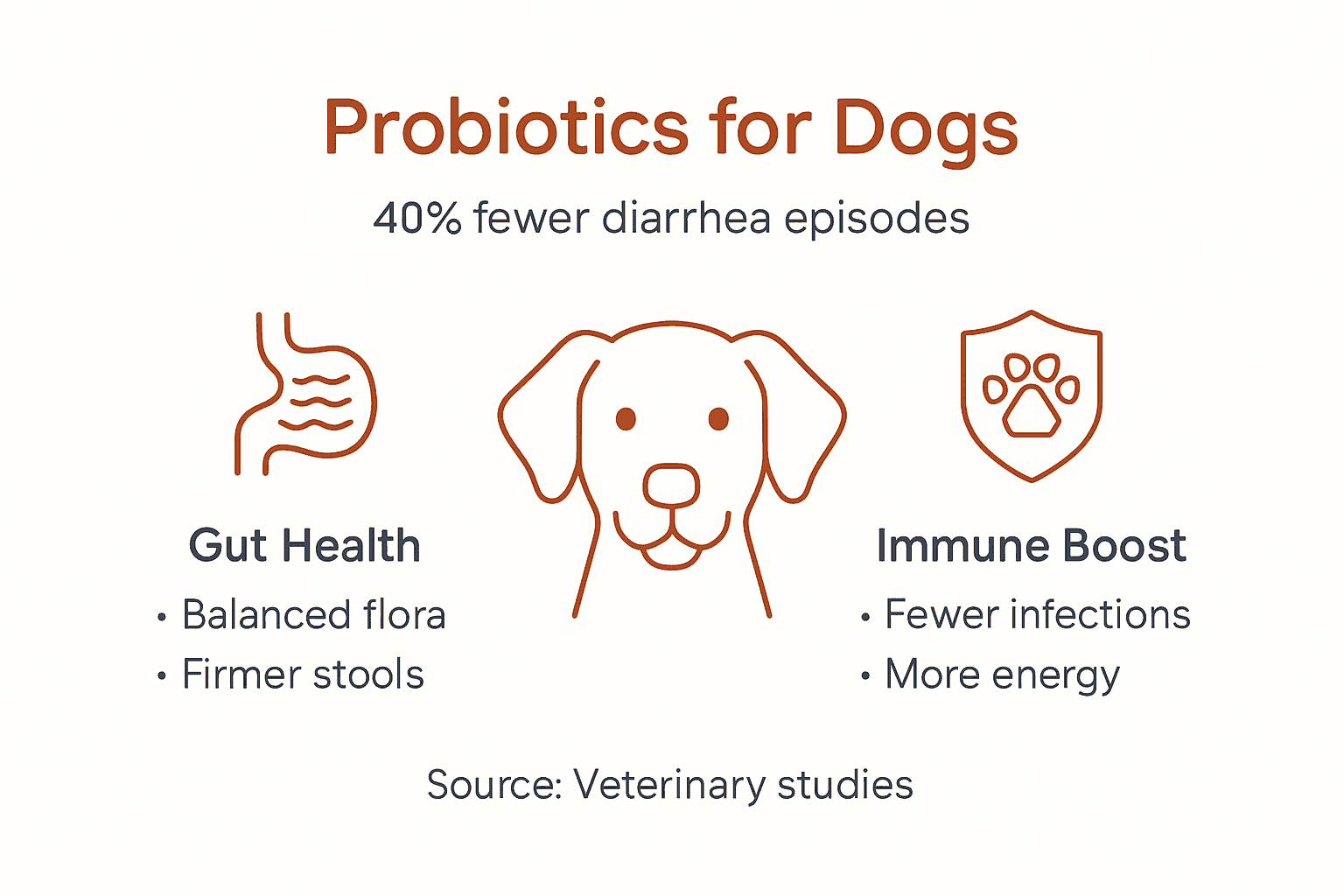
Probiotics offer targeted support for aging and vulnerable dogs. They restore microbial diversity and strengthen the gut barrier that weakens with age. Clinical studies demonstrate that probiotic supplementation reduces diarrhea incidence by up to 40% and improves stool quality in dogs.
Dogs receiving regular probiotics show a 40% reduction in diarrhea episodes compared to unsupplemented dogs, with improvements in stool consistency and hydration status.

This dramatic improvement translates to better quality of life for your senior companion. Firmer, more consistent stools indicate improved digestive function and nutrient retention. Better hydration status supports kidney function and overall vitality.
Research shows probiotics restore gut microbial diversity and barrier function in aging dogs. They help counteract the natural decline in beneficial bacteria that occurs with age. This restoration supports better digestion of proteins, fats, and carbohydrates.
Enhanced immune function provides additional protection. Senior dogs often have weakened immune responses, making them more susceptible to infections and inflammation. Probiotics help modulate immune activity in the gut, reducing chronic inflammation while maintaining protective responses.
Learn more about senior dog supplements and review probiotic studies on senior dogs for detailed research findings.
Common Misconceptions About Probiotics for Dogs
Several myths about probiotics can lead to poor product choices and unrealistic expectations. Understanding the truth helps you make informed decisions for your dog’s health.
The biggest misconception is that all probiotics deliver the same benefits. Scientific evidence proves probiotics exert species and strain-specific effects; not all probiotics are universally effective. A strain that helps human digestion may not benefit dogs at all.
Another common myth suggests probiotics can replace veterinary care. While probiotics support digestive health, they are not substitutes for professional medical treatment. If your dog has persistent diarrhea, vomiting, or other concerning symptoms, veterinary diagnosis and treatment remain essential.
Many owners believe probiotics work instantly. The reality is more nuanced. While some dogs show improvement within days, probiotic benefits typically accumulate over weeks of consistent use. The microbiota needs time to rebalance and stabilize.
Some assume all probiotics are equally safe for every dog. Safety actually depends on your dog’s health status. Dogs with severely compromised immune systems need veterinary supervision before starting probiotics. In rare cases, probiotics could theoretically cause infections in immunocompromised animals.
Key facts to remember:
- Efficacy depends entirely on selecting the right strain for canine digestion
- Probiotics complement veterinary care but never replace it
- Quality varies significantly between products and manufacturers
- Vet-approved choices ensure both safety and effectiveness
- Results require patience and consistent administration
Read more about NCCIH on probiotic myths to separate fact from fiction. Understanding these misconceptions helps you approach probiotic supplementation with appropriate expectations and safeguards.
Safety and Vet-Approved Status of Probiotics for Dogs
Understanding the regulatory landscape helps you navigate probiotic selection safely. Unlike prescription medications, most probiotics for pets fall into the dietary supplement category with limited regulatory oversight.
The FDA regulates probiotics differently based on intended use. Many probiotic supplements are dietary supplements without FDA premarket approval, making vet guidance particularly important. Products making disease treatment claims require different regulatory pathways than those supporting general wellness.
This regulatory reality means quality control varies significantly between manufacturers. Some companies follow rigorous quality standards with third-party testing, while others make unsupported claims about product efficacy. You can’t rely on packaging alone to assess quality.
Safety depends on several factors. Product quality matters tremendously; contaminated or improperly stored probiotics may contain harmful bacteria or have reduced viable cell counts. Adherence to dosage guidelines prevents oversupplementation that could cause digestive upset.
Veterinary approval ensures your probiotic choice is appropriate and safe for your dog’s specific situation. Your vet considers factors like:
- Your dog’s current health status and medications
- Appropriate strains for your dog’s digestive issues
- Proper dosing based on weight and condition
- Potential interactions with treatments
- Quality assessment of specific products
Pro tip: Always consult your veterinarian before starting probiotics, especially for senior or ill dogs. Your vet can recommend specific products with proven efficacy and help you avoid low-quality supplements that waste money without delivering benefits.
Review FDA pet food regulation to understand how supplements are overseen. This knowledge empowers you to ask informed questions and select products that meet high-quality standards.
Choosing and Using Probiotic Supplements for Dogs
Selecting the right probiotic requires understanding which strains offer scientific backing for canine digestion. Not all bacterial strains benefit dogs equally. Look for products containing Lactobacillus and Bifidobacterium species with published research supporting their use in dogs.
You have two main delivery options: probiotic-enhanced dog foods or standalone supplements. Research shows probiotics can be administered through specially formulated dog foods with proven strains for different life stages. Each approach has advantages.
| Factor | Probiotic Dog Food | Standalone Supplement |
|---|---|---|
| Convenience | High; integrated into daily feeding | Moderate; requires separate administration |
| Strain specificity | Limited to food formulation | Greater variety of targeted strains |
| Dosage control | Fixed by food amount | Adjustable for individual needs |
| Cost | Moderate; replaces regular food | Variable; added to existing diet |
| Best for | Maintenance and prevention | Targeted digestive support |
For senior and health-compromised dogs, follow these steps:
- Consult your veterinarian to identify appropriate strains and dosage for your dog’s specific needs.
- Start with a lower dose than recommended and gradually increase over 3 to 5 days to allow digestive adjustment.
- Administer probiotics consistently at the same time daily, preferably with meals for better survival through stomach acid.
- Monitor your dog’s stool quality, energy levels, and appetite for signs of improvement or adverse reactions.
- Maintain refrigeration if required by the product to preserve viable bacterial counts.
- Continue supplementation for at least 4 weeks before assessing effectiveness, as microbiota changes take time.
Consistency matters more than anything else. Sporadic supplementation provides minimal benefit because probiotic bacteria don’t permanently colonize the gut. They exert benefits while present, then gradually diminish after you stop supplementation.
Learn about glandular supplements guidance, organic dog supplements, and senior dog supplementation to complement your probiotic strategy. Explore probiotic dog food options for convenient delivery methods.
Integrating Probiotics with Organ-Based Nutrition for Digestion
Combining probiotics with organ-based supplements creates a synergistic approach to digestive health. While probiotics restore microbiota balance, organ supplements provide concentrated nutrients that support gut structure and function.
Organ-based supplements deliver bioavailable vitamins, minerals, and amino acids that strengthen the intestinal lining. Liver provides vitamin A, B vitamins, and iron that support cell turnover in the gut mucosa. These nutrients help maintain the intestinal barrier that probiotics work to protect.
Research indicates probiotic use combined with organ-based nutrition supports gut function and immunity in senior dogs. The combination addresses digestive health from multiple angles simultaneously.
This holistic approach particularly benefits aging or health-compromised dogs who need comprehensive support. Their reduced digestive efficiency means they benefit from both improved nutrient absorption through probiotics and concentrated nutrition from organ supplements.
Key benefits of combined supplementation include:
- Enhanced nutrient absorption from improved gut microbiota balance
- Stronger intestinal barrier through organ-derived nutrients supporting tissue repair
- Better immune function from both probiotic immune modulation and organ immunoglobulins
- Increased energy and vitality from improved digestion and nutrient density
- Reduced inflammation through anti-inflammatory compounds in both supplement types
Explore dog liver supplements and organic dog supplements to understand how these nutrients complement probiotic benefits. Learn more about integrating probiotics and organ nutrition for comprehensive strategies.
Boost Your Dog’s Health with Vet-Approved Supplements
Now that you understand how probiotics support canine digestion, it’s time to take action. WolfRoots offers vet-approved, natural supplements combining probiotics with organ-based nutrition to support digestive health and vitality in senior dogs.
Our formulations are designed specifically for dogs who need comprehensive digestive support. Each product undergoes rigorous quality testing to ensure purity, potency, and safety. We combine ancestral nutrition principles with modern scientific understanding to create supplements that truly make a difference.
Explore our best dog supplements for senior dogs guide or review our senior dog supplements guide for detailed recommendations. Our Alpha Organ Blend supplement provides concentrated organ nutrition that works synergistically with probiotics to support your dog’s digestive health and overall vitality.
FAQ
What Are Probiotics and How Do They Work for Dogs?
Probiotics are live beneficial bacteria that help balance your dog’s gut microbiota. They support digestion and immune function by maintaining healthy intestinal flora, producing protective compounds, and preventing harmful bacteria from causing problems.
Can Probiotics Replace Veterinary Care for Digestive Issues?
No, probiotics are supportive supplements, not replacements for veterinary care. They enhance digestive health but don’t treat underlying diseases. Always consult your vet for persistent or serious digestive symptoms like bloody diarrhea, severe vomiting, or sudden appetite loss.
How Do I Choose the Right Probiotic Supplement for My Dog?
Consult your veterinarian to select strains proven for canine digestion, as not all probiotics work the same in dogs. Look for products that combine probiotics with organ-based nutrients for best results. Follow dosage instructions carefully based on your dog’s age, weight, and health status.
Are Probiotics Safe for Senior or Immune-Compromised Dogs?
Probiotics are generally safe but require veterinary consultation for immune-compromised dogs who may face rare risks. Your vet will assess whether probiotics are appropriate for your dog’s specific condition. Proper dosing and vet approval minimize any risks associated with supplementation while maximizing potential benefits.
Recommended
- How to Improve Dog Nutrition Naturally for Optimal Health – WolfRoots
- Glandular Supplements for Dogs: Primal Nutrition Impact – WolfRoots
- Why Dogs Need Multivitamins for Optimal Vitality – WolfRoots
- What Is Multivitamin Blend for Dogs? Key Benefits – WolfRoots
- Understanding Dog Food with Probiotics for Better Health