


Kidney Supplements for Dogs: 10% of Seniors Have CKD
Many dog owners believe all supplements are harmless, yet some contain harmful ingredients like xylitol or excess calcium that can damage kidneys. Natural kidney supplements, when chosen carefully, can support vitality and slow chronic kidney disease progression in senior dogs. This guide clarifies how these supplements work, addresses safety concerns, and shows you how to integrate them safely with veterinary care for optimal kidney health.
Table of Contents
- Understanding Canine Kidney Health and Disease
- How Kidney Supplements Support Kidney Function
- Dietary Considerations: Protein Balance and Supplement Interaction
- Common Misconceptions and Safety Warnings about Kidney Supplements
- Integrating Kidney Supplements with Veterinary Care for Optimal Outcomes
- Choosing the Right Kidney Supplements: Ingredients and Brand Considerations
- Summary and Practical Tips for Supporting Your Dog’s Kidney Health
- Explore WolfRoots: Natural Supplements for Your Dog’s Kidney Health
- Frequently Asked Questions about Kidney Supplements for Dogs
Key Takeaways
| Point | Details |
|---|---|
| Natural supplements can slow CKD | Kidney supplements provide antioxidants and organ-based nutrients that support kidney function and vitality. |
| Safety requires careful selection | Avoid harmful ingredients like xylitol or excessive calcium; always choose vet-approved products. |
| Protein balance matters | Regulate dietary protein alongside supplement use to prevent uremic symptoms without causing malnutrition. |
| Supplements complement vet care | They support but never replace prescribed medications like ACE inhibitors for kidney disease. |
| Early intervention is crucial | Up to 10% of older dogs have CKD, making proactive nutritional support essential. |
Understanding Canine Kidney Health and Disease
Your dog’s kidneys perform critical functions that keep them healthy and active. These organs filter waste products from blood, balance essential minerals like calcium and phosphorus, and produce hormones that regulate blood pressure and red blood cell production. When kidneys fail to perform these tasks efficiently, chronic kidney disease develops.
Chronic kidney disease is progressive, meaning it worsens over time. Senior dogs face the highest risk, with CKD affecting up to 10% of dogs in veterinary care facilities. Early nutritional intervention, including targeted supplements, becomes crucial for managing this condition. Understanding CKD symptoms helps you catch problems early:
- Increased thirst and urination as kidneys lose concentrating ability
- Lethargy and weakness from toxin buildup in the bloodstream
- Decreased appetite and weight loss as uremic compounds affect digestion
- Vomiting or nausea from accumulated metabolic waste
Recognizing these signs early allows you to work with your veterinarian to develop a comprehensive care plan. Senior dog supplements for vitality can play a supportive role in this strategy, helping manage symptoms and potentially slowing disease progression when combined with proper veterinary oversight.
How Kidney Supplements Support Kidney Function
Natural kidney supplements work through multiple biological mechanisms to protect and support renal tissue. Organ-based supplements provide bioavailable vitamins, minerals, and enzymatic cofactors that kidneys need for cellular repair and metabolic function. These nutrients directly support the nephrons, the microscopic filtering units within kidneys.

Antioxidant supplements counteract oxidative stress involved in kidney aging and chronic disease progression. Free radicals damage kidney cells over time, accelerating CKD. Antioxidants neutralize these harmful molecules, protecting kidney tissue from further deterioration.
Supplements enhance vitality by addressing nutritional gaps that dietary changes alone may not fill. When you improve dog nutrition naturally, you create a foundation for better kidney function. The following table shows key supplement components and their specific kidney benefits:
| Supplement Component | Primary Kidney Benefit | Mechanism of Action |
|---|---|---|
| Organ-based nutrients | Cellular repair support | Provides bioavailable cofactors for nephron regeneration |
| Antioxidants | Oxidative stress reduction | Neutralizes free radicals damaging kidney tissue |
| B-complex vitamins | Energy metabolism | Supports cellular energy production in kidney cells |
| Omega-3 fatty acids | Anti-inflammatory action | Reduces inflammation contributing to kidney damage |
Pro Tip: Start supplements early in senior years before CKD symptoms appear. Preventive nutritional support works better than reactive intervention after significant kidney damage occurs.
Nutritional therapy through supplements manages symptoms by supporting overall kidney tissue health. When you optimize dog health naturally, you address multiple body systems simultaneously, as kidney health affects cardiovascular function, bone density, and energy levels throughout your dog’s body.
Dietary Considerations: Protein Balance and Supplement Interaction
Protein intake requires careful management in dogs with kidney disease. Excessive dietary protein increases uremic toxin production, worsening symptoms like nausea and lethargy. However, severe protein restriction causes malnutrition, muscle wasting, and weakness. Finding the right balance becomes essential.
Research on optimal protein levels for CKD dogs remains limited and sometimes contradictory. Each dog requires an individualized nutritional plan based on disease stage, body condition, and blood test results. Your veterinarian can determine the appropriate protein level for your dog’s specific situation.
Supplements synergize with veterinary renal diets to optimize kidney support. While prescription kidney diets provide controlled protein and phosphorus levels, senior dog supplements fill nutritional gaps and provide targeted organ support. This combination approach delivers better outcomes than diet or supplements alone.
Pro Tip: Keep a feeding journal tracking protein intake, supplement timing, and your dog’s symptoms. This record helps your vet make precise adjustments to the nutritional plan.
Monitoring is crucial because supplement and dietary interactions can produce unexpected effects:
- Track daily protein grams from food and treats combined
- Note any changes in thirst, urination, or energy after starting supplements
- Schedule regular blood work to monitor kidney values and adjust plans accordingly
- Report any digestive upset or appetite changes to your veterinarian immediately
Common Misconceptions and Safety Warnings about Kidney Supplements
The supplement market contains both beneficial products and dangerous ones. Some supplements contain harmful ingredients that may worsen kidney function rather than improve it. Over-supplementation with calcium accelerates kidney stone formation and mineral deposits in renal tissue. Xylitol, a sweetener in some products, causes acute kidney failure in dogs.
Many dog owners mistakenly believe supplements can cure chronic kidney disease. This dangerous misconception delays proper veterinary treatment. Supplements support kidney function and may slow progression, but they cannot reverse established kidney damage or replace medical therapy. CKD requires comprehensive management including medications, dietary changes, and regular monitoring.
Unregulated products often make unrealistic claims about reversing kidney disease or eliminating the need for prescription medications. These marketing tactics prey on desperate pet owners seeking alternatives to conventional treatment. Quality supplements make modest, evidence-based claims about supporting kidney health rather than promising miraculous cures.
Key safety considerations include:
- Verify products have been tested for purity and contamination
- Avoid supplements with proprietary blends hiding ingredient amounts
- Check for third-party certification from veterinary organizations
- Never stop prescribed medications without veterinary guidance
- Start new supplements one at a time to identify adverse reactions
Veterinary guidance before starting any supplement prevents dangerous interactions and ensures supplements align with your dog’s overall treatment plan. Your vet can review ingredient lists, assess appropriateness for your dog’s condition stage, and monitor for side effects through regular checkups.
Integrating Kidney Supplements with Veterinary Care for Optimal Outcomes
Supplements work best as part of a comprehensive veterinary treatment plan, not as standalone therapy. Prescription medications like ACE inhibitors remain the cornerstone of CKD management. ACE inhibitors reduce kidney filtration pressure, preserving remaining nephron function. Supplements supporting vascular health may complement this pharmaceutical effect, creating synergistic benefits.
Drug and supplement interactions require careful monitoring. Some herbal supplements affect how the liver metabolizes medications, potentially increasing or decreasing drug effectiveness. Regular veterinary checkups with blood work track these interactions and allow timely adjustments.
Following your vet’s supplement recommendations ensures all interventions work toward the same care goals. Your veterinarian considers disease stage, concurrent conditions, current medications, and individual risk factors when recommending supplements. This personalized approach prevents complications and maximizes benefits.
Steps for safe supplement integration:
- Schedule a consultation specifically to discuss supplement options for kidney support
- Bring current medication lists and any supplements you’re already using
- Request blood work establishing baseline kidney function before starting new supplements
- Introduce one supplement at a time with a two-week observation period
- Monitor for changes in thirst, urination, appetite, energy, and stool quality
- Schedule follow-up blood work after 4-6 weeks to assess kidney value changes
- Maintain open communication reporting any concerns immediately
- Adjust supplement dosages or discontinue products if adverse effects appear
Collaboration between you and your veterinary team creates the best outcomes. You observe daily changes in your dog’s condition, while your vet interprets clinical data and adjusts treatment protocols. This partnership approach optimizes quality of life and potentially extends your dog’s healthy years.
Choosing the Right Kidney Supplements: Ingredients and Brand Considerations
Effective kidney supplements contain specific ingredients backed by veterinary science. Organ-based nutrients from kidney tissue provide bioavailable vitamins and minerals essential for renal repair and function. These whole-food nutrients are more readily absorbed than synthetic alternatives, delivering superior nutritional support.
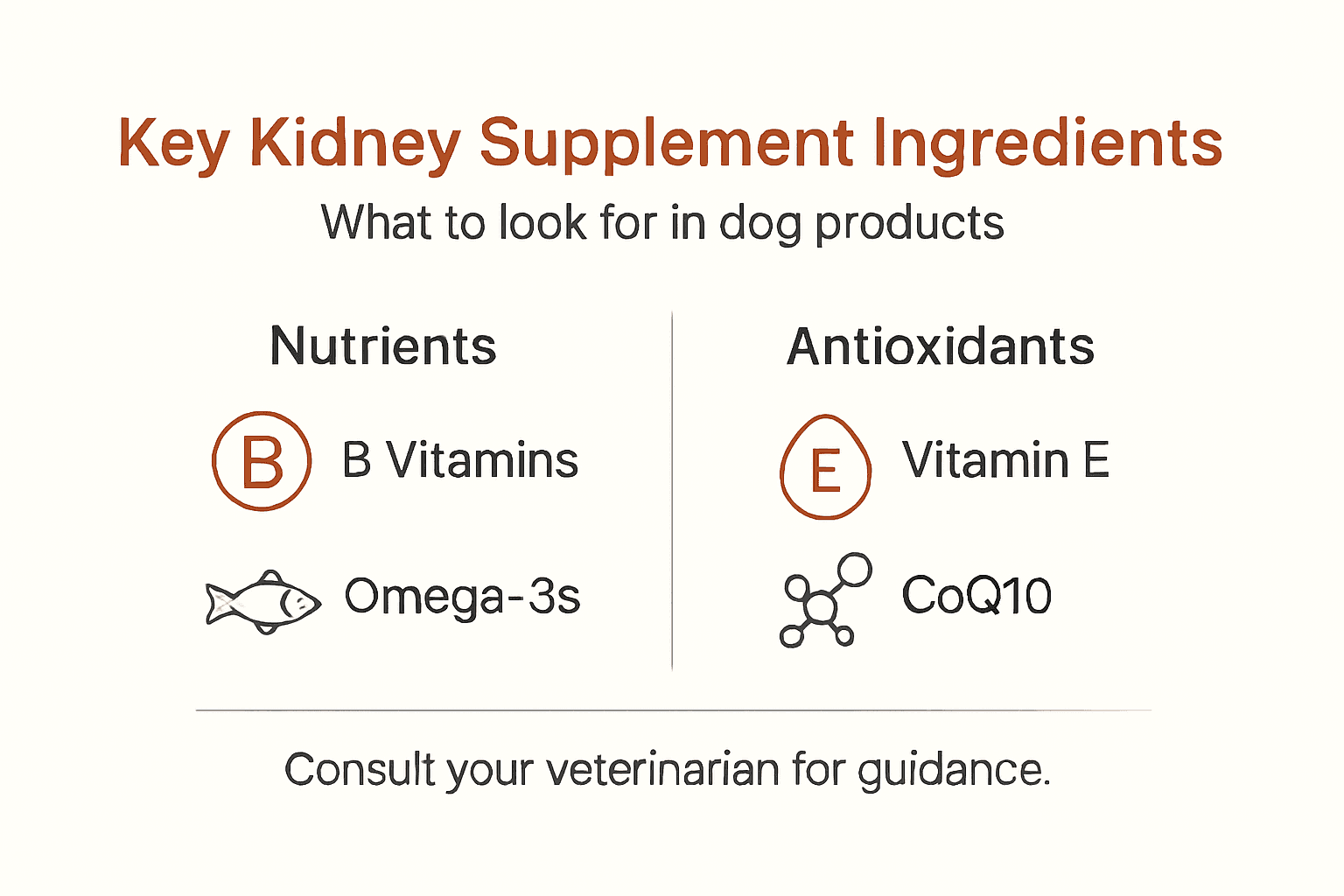
Antioxidant-rich formulations combat oxidative damage accelerating kidney disease. Look for supplements containing vitamin E, selenium, and coenzyme Q10. These compounds work synergistically to protect kidney cells from free radical damage while supporting energy production within nephrons.
Vet-approved brands demonstrate commitment to quality through third-party testing and transparent ingredient sourcing. Companies that work with veterinary nutritionists to formulate products typically produce superior supplements. Transparency matters because you need to know exactly what and how much of each ingredient your dog receives.
The following comparison helps you evaluate supplement options:
| Feature | Quality Supplement | Low-Quality Product |
|---|---|---|
| Ingredient list | Specific amounts listed for each component | Proprietary blends hiding dosages |
| Source transparency | Named suppliers and sourcing locations | Vague origin descriptions |
| Testing protocols | Third-party verification and purity testing | No external quality verification |
| Vet involvement | Formulated with veterinary nutritionist input | No professional consultation |
| Claims made | Evidence-based support statements | Cure claims and unrealistic promises |
Avoid these harmful additives:
- Xylitol or other artificial sweeteners toxic to dogs
- Excessive calcium exceeding daily requirements
- Unnecessary fillers and artificial colors
- Heavy metals or contaminants from poor sourcing
Customer reviews provide practical insights about palatability, side effects, and real-world results. Look for detailed reviews describing specific improvements rather than vague praise. Reviews mentioning veterinary guidance and blood work results carry more weight than anecdotal observations alone.
When exploring organic dog supplements, verify organic certification from recognized agencies. True organic products meet strict standards for ingredient sourcing and processing methods, ensuring your dog receives clean, high-quality nutrition.
Summary and Practical Tips for Supporting Your Dog’s Kidney Health
Natural kidney supplements help manage CKD symptoms and may slow disease progression when used correctly as part of comprehensive care. The evidence supports supplements as adjunctive therapy, not replacement for veterinary treatment. Proper use requires understanding how supplements work, selecting quality products, and maintaining close veterinary oversight.
Balanced dietary protein prevents uremic symptoms without causing malnutrition. Work with your vet to determine optimal protein levels based on your dog’s kidney function tests. Antioxidants and organ-based nutrients provide targeted support that dietary changes alone cannot achieve, filling nutritional gaps critical for kidney health.
Always consult your veterinarian before starting supplements. Your vet tailors recommendations to your dog’s specific needs, considering disease stage, concurrent medications, and overall health status. This individualized approach prevents complications and maximizes therapeutic benefits.
Practical action steps:
- Schedule regular veterinary checkups every 3-6 months for kidney patients
- Monitor daily water intake and urination frequency for changes
- Maintain consistent supplement schedules for optimal blood levels
- Keep detailed records of symptoms, supplements, and dietary changes
- Explore best dog supplements for senior vitality with vet guidance
- Review senior dog kidney health tips regularly
- Consider dog multivitamins for vitality as foundational support
Monitoring and veterinary collaboration optimize your dog’s quality of life. Regular blood work tracks kidney function trends, allowing proactive adjustments before symptoms worsen. This vigilant approach combined with proper supplementation can extend your senior dog’s active, comfortable years.
Explore WolfRoots: Natural Supplements for Your Dog’s Kidney Health
Supporting your senior dog’s kidney health requires trusted, vet-approved supplements designed specifically for their needs. WolfRoots specializes in natural, organ-based nutrition supporting kidney function and overall vitality. Our formulations emphasize bioavailable nutrients and antioxidants that work with your dog’s biology, not against it.
Our best dog supplements for 2026 reflect the latest nutritional science combined with primal nutrition principles. Explore curated options in our supplements for senior dogs collection, or discover our Alpha Organ Blend supplement providing comprehensive organ support including kidney-specific nutrients. Each product undergoes rigorous quality testing to ensure your dog receives pure, effective nutrition supporting kidney health and vitality naturally.
Frequently Asked Questions about Kidney Supplements for Dogs
Are kidney supplements safe for all dogs?
Not all supplements suit every dog. Dogs with specific health conditions may react adversely to certain ingredients. Always consult your veterinarian before starting any supplement, especially if your dog takes medications or has multiple health issues.
Can supplements cure chronic kidney disease?
No, supplements cannot cure CKD. They support kidney function and may slow progression, but cannot reverse established kidney damage. Supplements work as adjunctive therapy alongside veterinary treatment, not as replacements for prescribed medications.
How long before I see results from kidney supplements?
Most dogs show subtle improvements in energy and appetite within 4-8 weeks. Measurable changes in kidney blood values typically appear after 2-3 months of consistent use. Monitor daily symptoms and schedule follow-up blood work with your vet to track progress objectively.
Should I adjust my dog’s diet when starting kidney supplements?
Coordinate dietary changes with supplement introduction through your veterinarian. Some supplements work better with modified protein diets, while others require specific nutrient balances. Your vet creates an integrated plan ensuring diet and supplements work together effectively.
Can I give my dog human kidney supplements?
Never give human supplements to dogs. Dosages formulated for humans often exceed safe levels for canines, and human products may contain ingredients toxic to dogs like xylitol. Always choose veterinary-formulated supplements designed specifically for canine kidney health.
How do I monitor if supplements are working?
Track daily symptoms including energy levels, appetite, water intake, and urination patterns. Schedule regular veterinary blood work monitoring kidney values like creatinine and BUN. Improvements in these markers combined with better daily symptoms indicate effective supplementation.
Recommended
- Supplements for Senior Dogs: Boosting Vitality Naturally – WolfRoots
- 7 Best Dog Supplements 2026 for Senior Dog Vitality – WolfRoots
- Dog Liver Supplements: Boosting Vitality Naturally – WolfRoots
- Why Dogs Need Multivitamins for Optimal Vitality – WolfRoots
- How Nutrition Extends Life for Dogs with Kidney Issues
- Understanding Senior Dog Nutrition for Healthier Pets