


Why choose natural dog supplements for optimal health
Many dog owners believe all supplements offer equal benefits, but ingredient quality and processing methods dramatically impact your dog’s health outcomes. While commercial synthetic supplements flood the market with isolated vitamins and minerals, natural alternatives deliver nutrients in forms your dog’s body actually recognizes and absorbs. Understanding the difference between synthetic and whole food supplementation helps you make informed choices that align with your dog’s evolutionary biology and nutritional needs.
Table of Contents
- Understanding The Limitations Of Synthetic Supplements And Processed Foods
- Why Natural Supplements Offer Superior Bioavailability And Nutrition
- The Role Of Organ-Based And Primal Nutrition In Natural Supplementation
- How To Incorporate Natural Dog Supplements Into Your Pet’s Diet Effectively
- Discover Vet-Approved Natural Supplements At WolfRoots
Key takeaways
| Point | Details |
|---|---|
| Natural supplements offer superior bioavailability | Whole food sources contain cofactors and supporting compounds that enhance nutrient absorption compared to isolated synthetic vitamins. |
| High heat processing destroys nutrients | Commercial kibble manufacturing uses barrel temperatures that significantly decrease nutritional composition, reducing vitamin potency and protein quality. |
| Organ-based ingredients provide complete nutrition | Liver, heart, and kidney naturally deliver essential vitamins A, D, E, and minerals like zinc and selenium that meet AAFCO standards. |
| Mineral imbalances plague many diets | Preprepared raw foods often lack essential minerals like selenium, zinc, and manganese compared to FEDIAF recommendations. |
| Gradual introduction supports digestion | Pancreatic enzymes adapt over three weeks, making slow supplement transitions critical for optimal tolerance. |
Understanding the limitations of synthetic supplements and processed foods
Synthetic supplements dominate store shelves, but these isolated compounds miss the crucial cofactors that facilitate absorption in your dog’s digestive system. When manufacturers create vitamin C or E in laboratories, they strip away the supporting elements found in whole food sources, potentially hindering absorption and reducing effectiveness.
Commercial kibble production introduces another layer of nutritional compromise. The extrusion process subjects ingredients to high barrel temperatures that significantly decrease nutritional composition, damaging heat-sensitive vitamins like thiamine and folate while altering protein structures your dog needs for muscle maintenance and immune function.
These processing methods create several specific problems:
- Heat-sensitive B vitamins degrade during high-temperature manufacturing
- Protein denaturation reduces amino acid bioavailability
- Omega-3 fatty acids oxidize, losing anti-inflammatory properties
- Natural enzyme activity gets destroyed, impacting digestion
Processed dog foods rarely match the nutrient profiles dogs evolved to consume over thousands of years. This mismatch can lead to poor digestion, reduced nutrient uptake, and deficiencies that manifest as dull coats, low energy, or weakened immunity. Understanding why natural dog vitamins benefit your pet starts with recognizing these fundamental limitations.
Dogs thrive when their diet mirrors ancestral nutrition patterns, not when fed heavily processed foods designed primarily for convenience and shelf stability.
Choosing natural supplements helps offset nutritional losses from processing while providing nutrients in forms your dog’s body recognizes. This approach doesn’t just add vitamins; it restores the nutritional integrity that modern food production strips away.
Why natural supplements offer superior bioavailability and nutrition
Whole food supplements contain vitamins packaged with natural cofactors that enhance absorption rates dramatically. When you feed your dog vitamin A from beef liver instead of synthetic retinyl palmitate, you’re providing the nutrient alongside supporting compounds like zinc, copper, and B vitamins that work synergistically. Natural supplements offer superior bioavailability precisely because of this complexity.
Organ meats stand out as particularly valuable nutrient sources, concentrating essential vitamins and minerals your dog needs for optimal function. Liver delivers vitamin A, D, and folate in highly absorbable forms. Heart provides CoQ10 and taurine for cardiovascular health. Kidney supplies selenium and vitamin B12 that support metabolism and immune response.
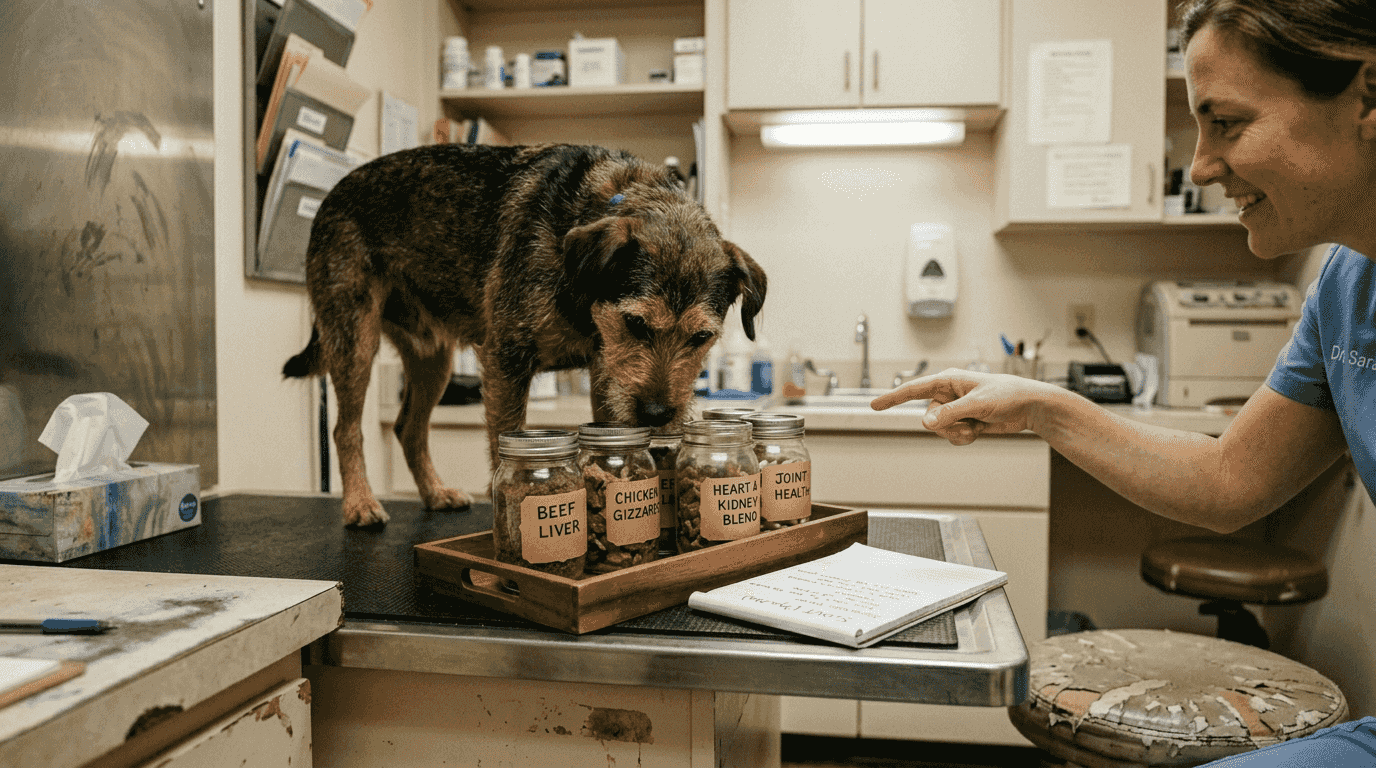
The evolutionary context matters here. Dogs evolved as carnivores optimally digesting nutrients from whole prey, including muscle meat, organs, bones, and connective tissue. Their digestive enzymes and gut bacteria adapted over millennia to process these specific food types, not laboratory-created isolates.
This ancestral alignment produces measurable benefits:
- Enhanced energy levels from improved mitochondrial function
- Stronger immune response through complete vitamin and mineral profiles
- Better coat condition reflecting adequate protein and fat-soluble vitamin intake
- Improved digestion as gut bacteria receive familiar nutrient forms
Pro Tip: Look for organ-based supplements that combine multiple organ types, as different organs provide complementary nutrient profiles. Liver excels at fat-soluble vitamins while kidney delivers water-soluble B vitamins and minerals.
Organic formulas reduce reliance on synthetic amino acid supplementation because whole organs naturally contain the complete amino acid spectrum dogs require. When you improve dog nutrition naturally through organ supplementation, you’re not just filling nutritional gaps; you’re providing nutrition the way nature intended.
Better nutrient uptake translates directly to visible health improvements. Owners consistently report shinier coats, increased playfulness, and better stool quality when transitioning to natural, whole food supplements. These aren’t placebo effects; they’re physiological responses to receiving bioavailable nutrition.
The role of organ-based and primal nutrition in natural supplementation
Organ meats naturally provide essential vitamins and minerals that meet AAFCO standards without synthetic fortification. Beef liver contains 16,898 IU of vitamin A per 100 grams, far exceeding daily requirements while providing copper, iron, and zinc in highly absorbable chelated forms. This nutrient density makes organs incredibly efficient supplementation tools.
Many dog owners assume raw diets automatically provide complete nutrition, but research reveals concerning mineral gaps. Preprepared raw foods often lack essential minerals compared to FEDIAF minimum recommendations, particularly selenium, zinc, and manganese. These deficiencies can cause serious health problems over time, from thyroid dysfunction to impaired wound healing.
| Mineral | FEDIAF Minimum (per 1000 kcal) | Typical Raw Food Level | Gap |
|---|---|---|---|
| Selenium | 87 μg | 45-60 μg | 31-48% deficient |
| Zinc | 18.8 mg | 12-15 mg | 20-36% deficient |
| Manganese | 1.4 mg | 0.8-1.1 mg | 21-43% deficient |
| Copper | 1.83 mg | 1.2-1.6 mg | 13-34% deficient |
Primal nutrition principles address these imbalances by incorporating organ meats that concentrated minerals through the donor animal’s metabolic processes. When cattle consume grass rich in selenium, their liver stores this mineral at levels impossible to achieve through muscle meat alone. Feeding this liver to your dog transfers those concentrated nutrients efficiently.
Gut health particularly benefits from primal supplementation approaches. Bioavailable nutrients support beneficial bacteria populations while reducing inflammation that damages intestinal lining. The microbiome thrives when receiving nutrients in forms it evolved alongside, creating positive feedback loops that enhance overall digestive efficiency.
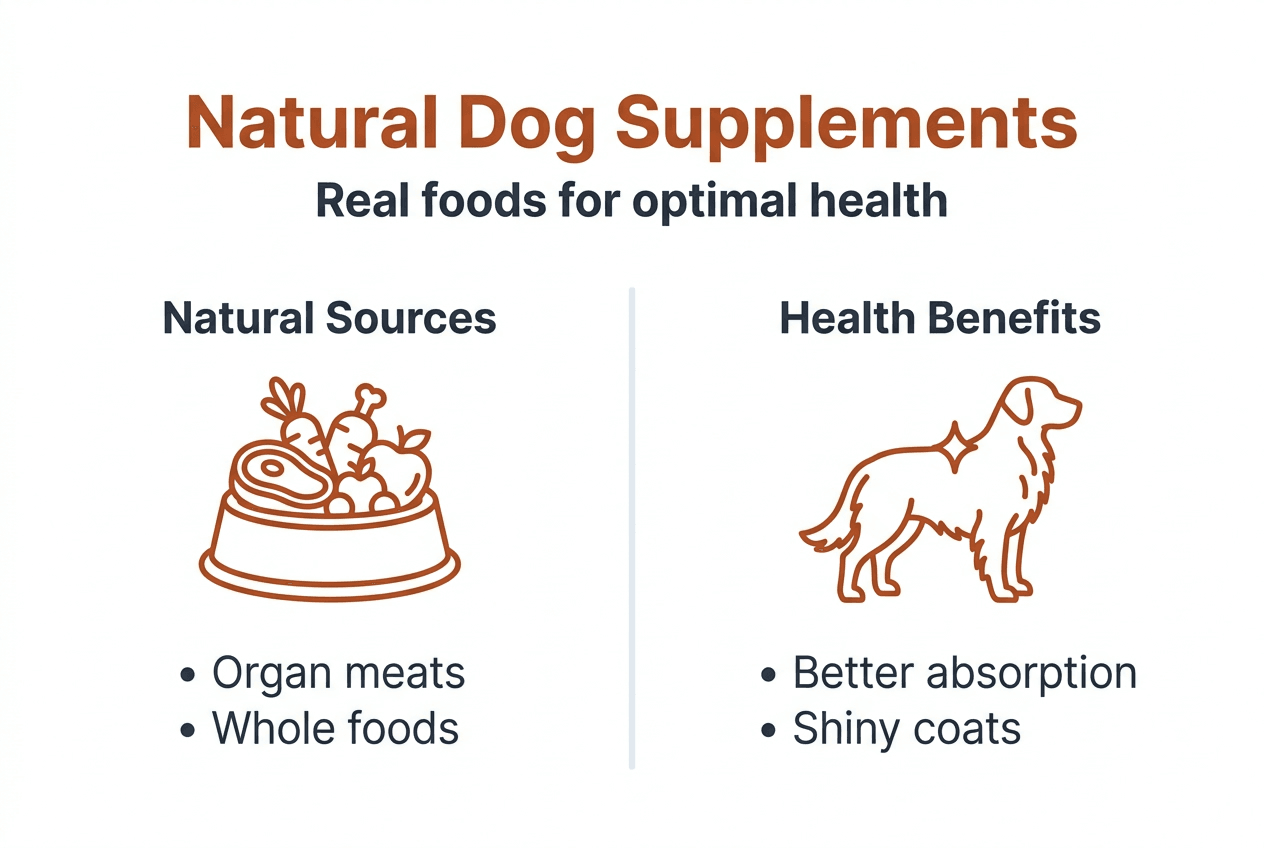
Pro Tip: Rotate between different organ types weekly to ensure broad micronutrient coverage. Monday liver, Wednesday kidney, Friday heart provides varied nutritional input that prevents single-nutrient excesses while covering more bases.
Including organ-based natural supplements helps close these documented nutritional gaps without resorting to synthetic fortification. A quality natural dog health supplements list prioritizes whole organ ingredients that deliver complete micronutrient profiles your dog actually absorbs and utilizes.
How to incorporate natural dog supplements into your pet’s diet effectively
Introduce supplements gradually over at least three weeks to allow your dog’s digestive system proper adaptation time. Pancreatic enzymes adapt to diet composition over approximately 21 days, producing more or less of specific enzymes based on what your dog regularly consumes. Rushing this process causes digestive upset, loose stools, and potential rejection of beneficial supplements.
Follow this proven introduction protocol:
- Start with 25% of the target supplement dose mixed into regular meals
- Increase to 50% after one week if stools remain firm and energy stays consistent
- Move to 75% during week two, monitoring appetite and digestion closely
- Reach full recommended dosage by week three once adaptation completes
- Maintain consistent supplementation for at least 60 days before evaluating results
Consult veterinarians before starting any supplement regimen, especially if your dog takes medications or has existing health conditions. Vet-approved natural supplements undergo quality testing and provide documented ingredient sourcing, reducing risks of contamination or incorrect dosing that plague unregulated products.
Consider natural supplements with comprehensive organ blends rather than single-organ products. Multi-organ formulas provide broader micronutrient coverage, reducing the chance of creating new imbalances while correcting existing deficiencies. A blend containing liver, kidney, heart, and spleen covers more nutritional bases than liver alone.
Monitor these specific health markers during supplementation:
- Coat shine and thickness (improves within 4-6 weeks typically)
- Energy levels and playfulness (often increases within 2-3 weeks)
- Stool consistency and frequency (should remain firm and regular)
- Skin condition and dandruff (usually improves within 6-8 weeks)
- Appetite and food enthusiasm (may increase as nutrition improves)
Pro Tip: Take photos of your dog’s coat and body condition before starting supplements, then compare monthly. Visual documentation reveals gradual improvements you might otherwise miss.
Avoid sudden large dosage changes even after the initial introduction period. Consistency matters more than quantity for nutrient absorption and utilization. Feeding excessive amounts doesn’t accelerate benefits; it creates waste and potential toxicity risks with fat-soluble vitamins.
Ensure your dog’s base diet provides adequate calories and macronutrients before layering in supplements. Natural supplements enhance nutrition but cannot compensate for fundamentally inadequate feeding. Optimizing dog joint health naturally requires both quality base nutrition and targeted supplementation working together.
Balance remains critical throughout supplementation. Too much calcium relative to phosphorus causes skeletal problems. Excess vitamin A creates toxicity symptoms. Work with the best dog supplements 2026 offers by following dosing guidelines precisely and adjusting only under professional guidance.
Discover vet-approved natural supplements at WolfRoots
WolfRoots offers a premium line of natural dog supplements that align perfectly with primal nutrition principles your dog’s biology craves. Their formulas prioritize whole organ ingredients over synthetic isolates, delivering nutrients in bioavailable forms that support genuine health improvements.
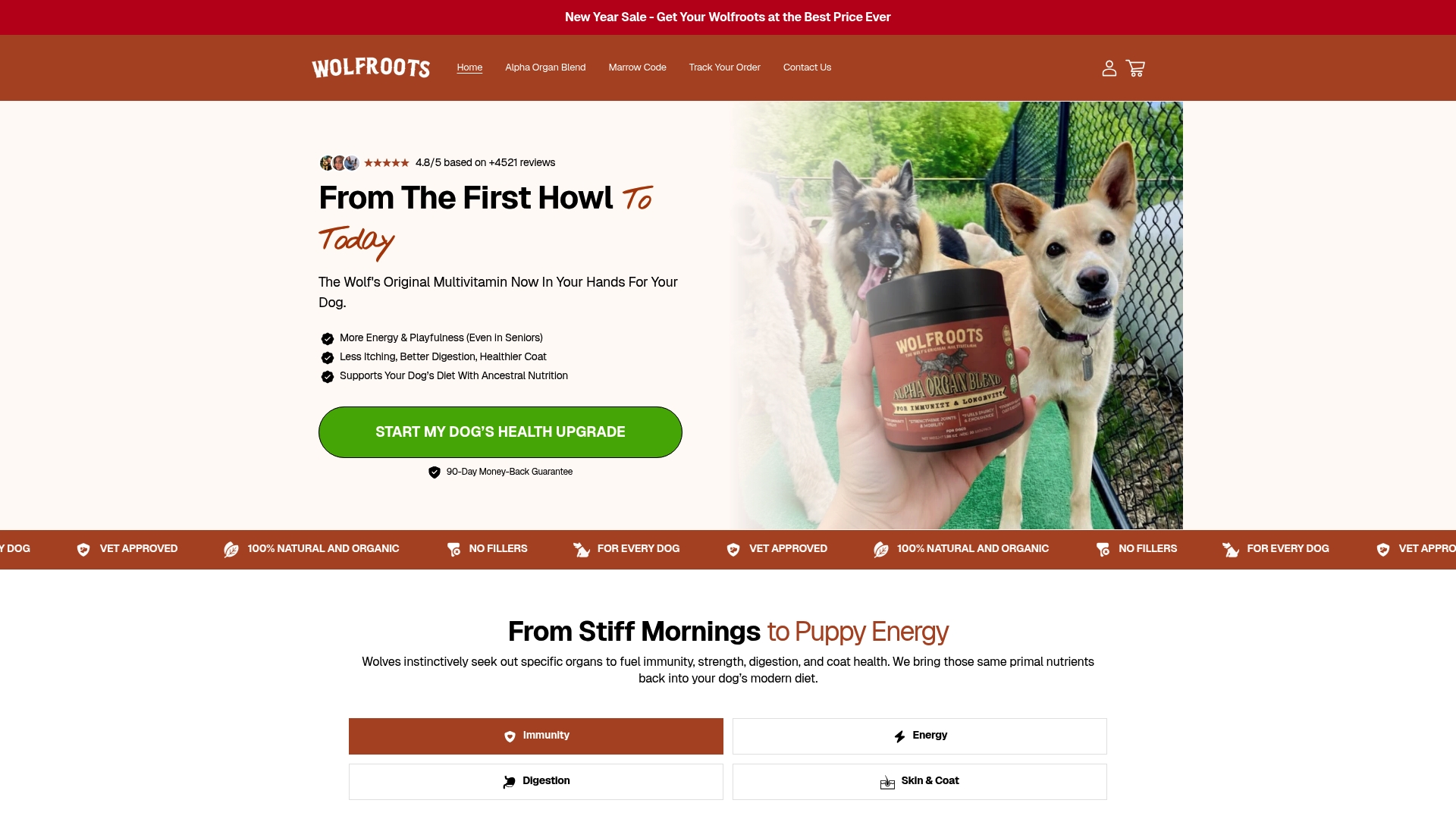
Their organ complex blends specifically target joint health, coat quality, and digestive function using vet-approved ingredients sourced from grass-fed cattle. The WolfRoots beef organ complex combines liver, heart, kidney, spleen, and pancreas to provide comprehensive micronutrient coverage without synthetic fortification.
Explore WolfRoots for trusted supplements rooted in evolutionary biology and supported by nutritional science. Choosing WolfRoots helps you provide balanced, bioavailable nutrition that enhances your dog’s vitality naturally.
FAQ
What makes natural dog supplements better than synthetic ones?
Natural supplements contain supporting compounds and cofactors that aid absorption, unlike isolated synthetic vitamins lacking these elements. Dogs utilize nutrients from whole food sources more effectively because their digestive systems evolved to process complex food matrices, not laboratory-created isolates.
Are organ-based supplements safe and necessary for my dog?
Organ supplements provide essential vitamins and minerals difficult to obtain from muscle meat alone, filling documented nutritional gaps in many diets. Vet-approved products ensure safe sourcing and appropriate nutrient levels, preventing both deficiencies and toxic excesses.
How do I transition my dog to natural supplements without digestive issues?
Introduce supplements gradually over at least three weeks to support digestive enzyme adaptation that occurs over this timeframe. Start with 25% of target dosage and increase weekly while observing your dog’s tolerance, consulting a vet if diarrhea or appetite loss develops.
Can natural supplements improve my dog’s joint and coat health?
Natural supplements contain nutrients that support joint cartilage synthesis and reduce inflammation through bioavailable minerals and omega-3 fatty acids. Improved protein quality and vitamin intake from organ supplements enhances coat shine and skin health, with natural supplements boosting dog health through multiple synergistic mechanisms.
Do raw diets provide complete nutrition without supplementation?
Many preprepared raw diets lack essential minerals like selenium, zinc, and manganese compared to established nutritional standards, creating deficiency risks over time. Natural organ-based supplementation fills these gaps effectively while maintaining the whole food philosophy raw feeders value.