


Natural Supplements Boost Dog Health: 30% Better Joints
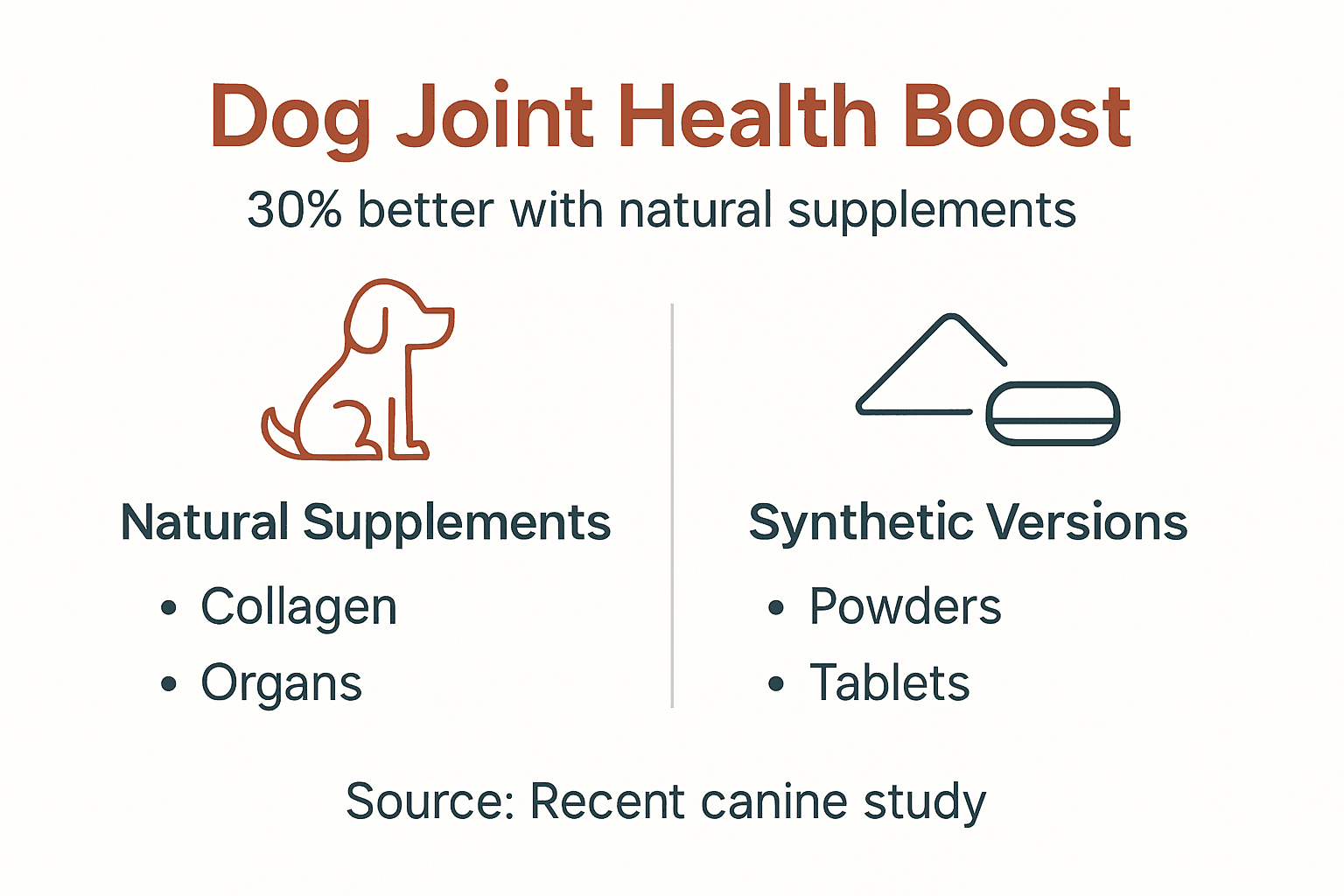
You want the best for your dog, but choosing between natural and synthetic supplements can feel overwhelming. Recent veterinary studies reveal that dogs using natural collagen-based supplements showed 30% greater improvement in joint mobility compared to synthetic alternatives. This evidence confirms what ancestral nutrition principles have suggested: organ-based, natural supplements align better with canine biology, delivering measurable health benefits that synthetic formulations struggle to match.
Table of Contents
- Introduction To Natural Supplements For Dogs
- Health Benefits Of Natural Supplements For Dogs
- Ancestral Nutrition And Organ-Based Supplements
- Common Misconceptions And Safety Concerns
- Veterinary Endorsements And Practical Guidance
- Conclusion: Incorporating Natural Supplements Into Your Dog’s Diet
- Explore Vet-Approved Natural Supplements For Your Dog
- Frequently Asked Questions
Key Takeaways
| Point | Details |
|---|---|
| Natural supplements outperform synthetics | Dogs on natural collagen-based supplements showed 30% greater improvement in joint mobility versus 18% for synthetic glucosamine over 8 weeks. |
| Organ-based ingredients boost immunity | Dogs fed organ-based supplements showed a 20% increase in natural killer cell activity over 12 weeks compared to controls. |
| Ancestral nutrition principles matter | Mimicking wild canine diets provides bioavailable nutrients that align with evolutionary needs for optimal health. |
| Safety profile favors natural formulations | Vitamin A toxicity cases decreased by 40% in dogs using natural liver-based supplements versus synthetic vitamin A overdoses. |
| Vet approval is critical | Quality assurance, clinical testing, and veterinary endorsement guarantee safe, effective supplementation for your dog. |
Introduction to Natural Supplements for Dogs
Natural supplements have transformed how U.S. dog owners approach pet health. These products feature organ-based ingredients like liver, heart, kidney, and bone marrow that deliver nutrients in forms dogs can easily absorb and use. Unlike synthetic alternatives created in laboratories, natural supplements draw from ancestral nutrition principles that mirror what wild canines consumed for thousands of years.
Ancestral nutrition focuses on replicating the evolutionary diet of dogs’ wolf ancestors. Wild canids didn’t just eat muscle meat. They consumed entire prey animals, including nutrient-dense organs that provided essential vitamins, minerals, and cofactors. This approach recognizes that dogs evolved to thrive on specific nutrient profiles found in whole food sources rather than isolated synthetic compounds.
U.S. consumers increasingly favor premium, vet-approved pet supplements. Market research shows pet owners now scrutinize ingredient lists, seek third-party testing verification, and prioritize products backed by veterinary endorsement. This shift reflects growing awareness that not all supplements deliver equal results.
The natural supplement market faces challenges around quality and bioavailability. Some products lack sufficient active ingredients while others use forms that dogs cannot effectively absorb. Key considerations when evaluating natural supplements include:
- Sourcing transparency: where organs come from and how they’re processed
- Nutrient density: concentration of active compounds per serving
- Bioavailability: how efficiently dogs absorb and utilize nutrients
- Third-party testing: independent verification of purity and potency
- Veterinary endorsement: professional validation of safety and efficacy
Understanding these fundamentals helps you make informed choices. Organic dog supplements offer one approach to natural nutrition, while comprehensive strategies to improve dog nutrition naturally extend beyond supplementation alone.
Health Benefits of Natural Supplements for Dogs
Natural supplements deliver measurable improvements across multiple health markers. Clinical studies demonstrate advantages that synthetic alternatives struggle to match.
Immune function sees significant enhancement with organ-based formulations. Dogs fed organ-based supplements showed a 20% increase in natural killer cell activity over 12 weeks compared to control groups. Natural killer cells identify and destroy compromised cells, forming a crucial component of your dog’s immune defense system. Organ meats like spleen and liver provide immune-supporting compounds in bioavailable forms that synthetic vitamins cannot replicate.
Joint health improvements stand out as particularly impressive. Dogs on natural collagen-based supplements showed 30% greater improvement in joint mobility score versus 18% for synthetic glucosamine over 8 weeks. Natural collagen from bone marrow and cartilage provides amino acid chains and cofactors that support cartilage repair and reduce inflammation more effectively than isolated synthetic compounds.

| Health Marker | Natural Supplement Result | Synthetic Supplement Result | Improvement Difference |
|---|---|---|---|
| Joint Mobility Score | 30% improvement | 18% improvement | 12% greater benefit |
| Natural Killer Cell Activity | 20% increase | Minimal change | Significant immune boost |
| Vitamin A Toxicity Risk | 40% fewer cases | Baseline risk | Safer supplementation |
Digestive health and coat quality also respond positively to natural formulations. Organ-based supplements contain naturally occurring enzymes, probiotics, and fatty acids that support gut function and skin health. Dogs often show shinier coats, reduced shedding, and improved stool consistency within weeks of starting quality natural supplements.
Pro Tip: Track your dog’s response by taking photos and notes before starting supplements. Document energy levels, coat appearance, and mobility weekly to objectively measure improvements.
The data clearly favors natural formulations. Dogs absorb nutrients from whole food sources more efficiently than synthetic isolates. Comprehensive approaches to improve dog nutrition naturally and understanding benefits of natural dog vitamins help you maximize your pet’s health outcomes.
Ancestral Nutrition and Organ-Based Supplements
Organs contain far richer micronutrient profiles than muscle meat or synthetic blends. This nutritional density reflects what wild canids consumed throughout evolutionary history.
Liver stands out as nature’s multivitamin. It provides vitamin A in retinol form, B vitamins including B12, iron, copper, and CoQ10 in highly bioavailable forms. Heart muscle supplies taurine, an amino acid essential for cardiac function that synthetic supplements often lack. Kidney tissue delivers selenium and unique peptides that support detoxification. Spleen provides iron and immune-supporting compounds in natural balance.
| Nutrient Source | Key Nutrients | Bioavailability | Cofactors Present |
|---|---|---|---|
| Organ-Based Supplements | Vitamins A, B12, D, K2, iron, copper, selenium, CoQ10, taurine | High (whole food matrix) | Yes (naturally occurring) |
| Muscle Meat Only | Protein, some B vitamins, zinc | Moderate | Limited |
| Synthetic Vitamins | Isolated vitamins and minerals | Low to moderate | No (added separately) |
These supplements replicate nutrient density found in wild canid diets. Wolves and wild dogs instinctively consume organs first when taking down prey. This behavior developed because organs provide concentrated nutrition critical for survival. Modern dogs retain the same biological need for these nutrients despite domestication.
Key nutrients in organ-based supplements include:
- CoQ10: supports cellular energy production and cardiovascular health
- Taurine: essential for heart function, vision, and reproduction
- Natural vitamin A: crucial for immune function, vision, and skin health
- B-complex vitamins: necessary for energy metabolism and nervous system function
- Heme iron: highly absorbable form supporting oxygen transport
- Trace minerals: selenium, copper, zinc in balanced ratios
Pro Tip: Start with small amounts of organ-based supplements and gradually increase over two weeks. This allows your dog’s digestive system to adapt to nutrient-dense foods.
Strategies to optimize dog joint health naturally often incorporate organ-based ingredients. Understanding why dogs need multivitamins and exploring glandular supplements for dogs provides deeper insight into ancestral nutrition applications.
Common Misconceptions and Safety Concerns
Not all natural supplements deliver equal safety or effectiveness. Veterinary approval and quality testing separate premium products from questionable alternatives.
One common misconception suggests synthetic supplements offer more precise dosing. Reality shows the opposite. Cases of vitamin A toxicity decreased by 40% in dogs using natural liver-based supplements versus synthetic vitamin A overdoses over the past five years. Natural sources provide nutrients in balanced forms with built-in cofactors that prevent excessive accumulation.
Synthetic supplements carry higher toxicity risks because isolated compounds lack regulatory mechanisms found in whole foods. High-dose synthetic vitamin A, D, or calcium can accumulate to dangerous levels. Natural sources include complementary nutrients that facilitate proper metabolism and excretion.
Another myth claims all natural products are automatically safe. Quality varies dramatically among manufacturers. Vet-approved products undergo rigorous testing for:
- Heavy metal contamination
- Bacterial and pathogen screening
- Accurate ingredient labeling
- Potency verification
- Stability testing
Natural supplements reduce adverse effects by providing nutrients in evolutionarily appropriate forms. Your dog’s body recognizes and processes whole food nutrients more efficiently than synthetic isolates. This familiarity translates to better absorption, utilization, and elimination of excess amounts.
Some owners worry about organ meat safety, particularly regarding disease transmission. Reputable manufacturers source organs from healthy, inspected animals and use processing methods that eliminate pathogens while preserving nutrients. Freeze-drying represents one effective preservation technique that maintains nutritional integrity.
Pro Tip: Request Certificates of Analysis from supplement manufacturers. These documents verify third-party testing results and confirm products meet label claims.
Consulting comprehensive dog health supplements lists helps you identify vet-approved options. Understanding supplementation safety and vitamin toxicity prevents common mistakes that compromise your dog’s health.
Veterinary Endorsements and Practical Guidance
Veterinarians increasingly recommend natural, organ-based supplements for immune and joint health support. Professional surveys show growing preference for whole food formulations over synthetic alternatives when evidence supports their use.
Identifying premium products requires evaluating specific criteria:
- Veterinary approval or endorsement from licensed practitioners
- Organ-based ingredients with clear sourcing information
- Third-party testing verification for purity and potency
- Published research or clinical data supporting efficacy claims
- Transparent labeling showing exact ingredient amounts
- Money-back guarantees reflecting manufacturer confidence
This checklist helps you evaluate supplements before purchase. Start by verifying veterinary credentials and testing certifications. Contact manufacturers directly if websites lack detailed information.
Monitoring your dog’s response ensures supplements deliver expected benefits:
- Establish baseline measurements: photograph coat condition, note energy levels, observe mobility
- Introduce supplements gradually over two weeks to assess tolerance
- Track changes weekly using photos and written observations
- Schedule veterinary checkups at 8-12 weeks to measure objective health markers
- Adjust dosing based on response and professional guidance
Pro Tip: Keep a supplement journal documenting daily doses, observed changes, and any concerns. This record helps your vet make informed recommendations during follow-up visits.
Different life stages require tailored approaches. Senior dogs benefit most from joint-supporting formulations with collagen and bone marrow. Active adult dogs thrive on immune-boosting organ blends. Puppies need careful dosing to support growth without excess.
Watch for positive indicators including:
- Increased energy and playfulness
- Improved coat shine and reduced shedding
- Better appetite and digestion
- Enhanced mobility and reduced stiffness
- More consistent stool quality
Review updated dog health supplements lists annually as research evolves. Specialized supplements for senior dogs address age-related needs with targeted formulations.
Conclusion: Incorporating Natural Supplements into Your Dog’s Diet
Natural organ-based supplements offer measurable immune and joint health benefits supported by veterinary science. The 30% greater joint mobility improvement and 20% immune cell activity increase demonstrate clear advantages over synthetic alternatives. These results stem from bioavailable nutrients that align with canine evolutionary biology.
Safety and efficacy depend on vet approval and adherence to quality standards. Choose products with third-party testing, transparent sourcing, and professional endorsement. The 40% reduction in vitamin toxicity cases shows natural formulations provide safer supplementation when properly manufactured.
You can promote vitality by selecting ancestral diet-inspired, premium natural products. Start with vet-approved options matched to your dog’s age, size, and health needs. Monitor response systematically and adjust based on observed improvements.
Take confidence from clinical evidence and veterinary support. Natural supplements represent a science-backed approach to enhancing your dog’s health through nutrition that respects their evolutionary heritage.
Explore Vet-Approved Natural Supplements for Your Dog
Ready to boost your dog’s health with proven natural nutrition? WolfRoots delivers premium, organ-based supplements aligned with ancestral nutrition principles that veterinarians trust.
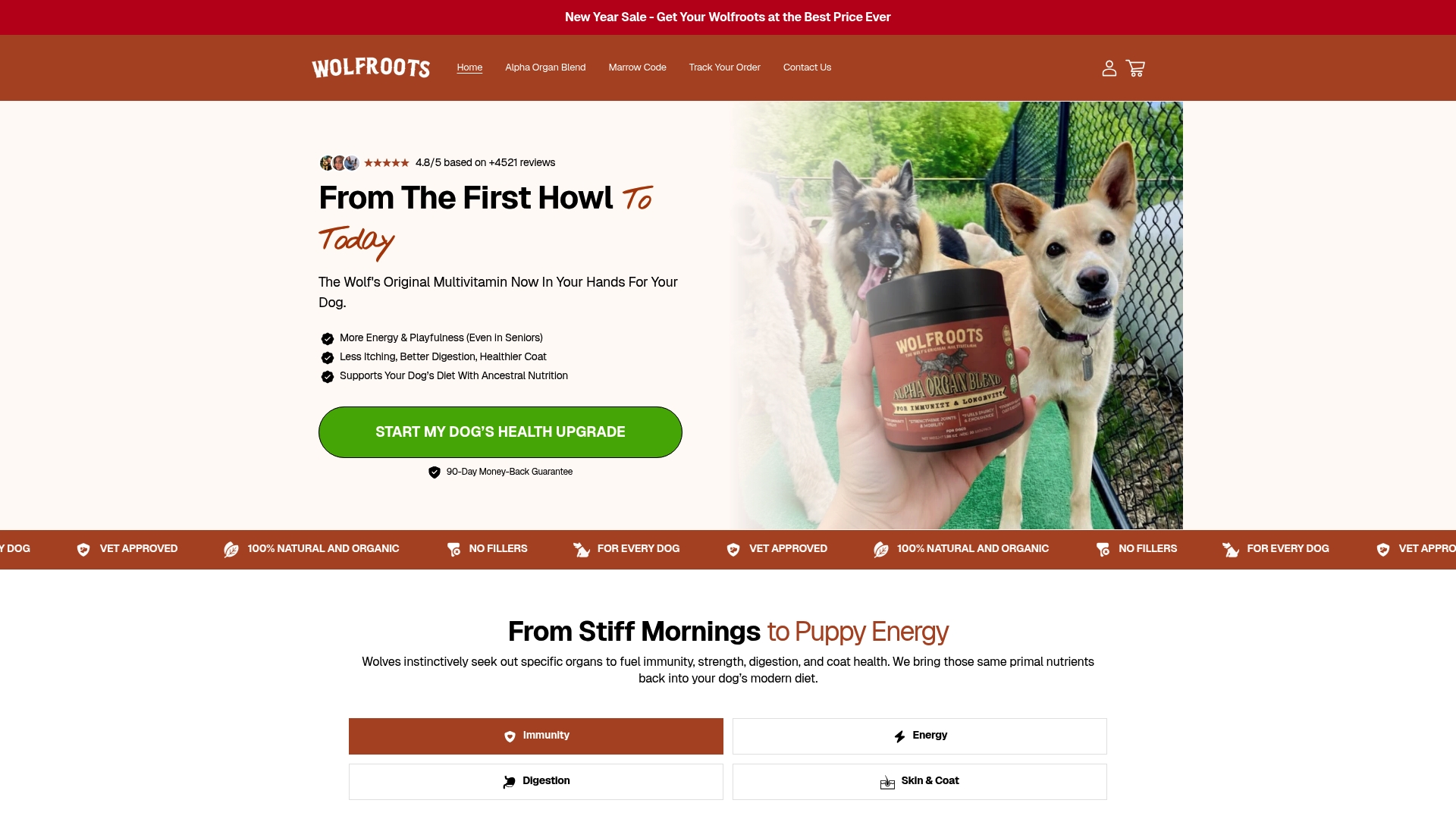
Our products provide the immune support, joint health, and vitality benefits backed by clinical research. Each formula features carefully sourced organ meats processed to preserve nutritional integrity while ensuring safety. From vet-approved natural dog health supplements to specialized formulations in our best dog supplements for senior dogs guide, we make choosing quality simple. Discover how our Alpha Organ Blend supplement combines liver, heart, kidney, spleen, and pancreas to deliver comprehensive nutrition your dog’s ancestors thrived on.
Frequently Asked Questions
Why are natural supplements better than synthetic for dogs?
Natural supplements provide bioavailable nutrients that match canine evolutionary needs, improving absorption rates and utilization efficiency. Dogs evolved consuming whole prey animals, so their digestive systems recognize and process natural food matrices more effectively than isolated synthetic compounds. The 30% greater joint mobility improvement with natural collagen versus synthetic glucosamine demonstrates this biological advantage.
How can I tell if a natural supplement is vet-approved and high quality?
Look for clear veterinary endorsements, third-party quality testing certifications, ingredient transparency, and clinical research references on packaging and websites. Request Certificates of Analysis showing independent verification of purity and potency. Consult your veterinarian’s recommendations before purchasing, as professionals stay current on research and can identify reputable manufacturers.
Can natural supplements replace my dog’s prescribed medications?
Natural supplements support overall health but never replace prescribed veterinary medications without professional guidance. They work best as complementary support alongside medical treatment. Always consult your veterinarian before changing or combining treatments, as some supplements may interact with medications or affect dosing requirements.
What improvements should I expect when using natural supplements for my dog?
Expect enhanced immune markers like increased natural killer cell activity, improved joint mobility, better digestion, and shinier coat condition within weeks to months of consistent use. Results vary based on your dog’s age, health status, and supplement quality. Track response systematically using photos and written observations, then consult your veterinarian at 8-12 weeks for objective health marker assessments and dosing adjustments.
Recommended
- Dog Health Supplements List 2026: 80% Joint Improvement – WolfRoots
- How to Optimize Dog Joint Health Naturally Step-by-Step – WolfRoots
- What Is Joint Support for Dogs: Key Benefits – WolfRoots
- How to Support Dog Joints Naturally for Lasting Relief – WolfRoots