


Canine joint support: boost your dog's mobility today
Many dog owners believe glucosamine alone will solve their senior dog’s joint problems, but research shows this common supplement often underperforms without synergistic compounds. Effective joint support combines multiple vet-approved natural ingredients that work together to reduce inflammation, rebuild cartilage, and restore mobility. This guide explains how canine joint supplements really work, which ingredients deliver proven results, and how to choose products that will genuinely improve your dog’s quality of life.
Table of Contents
- Understanding Canine Joint Health And Common Issues
- How Canine Joint Support Supplements Work
- Key Vet-Approved Ingredients In Natural Canine Joint Supplements
- Addressing Common Misconceptions About Canine Joint Support
- Choosing And Using Canine Joint Support Supplements Effectively
- Explore Vet-Approved Natural Supplements From WolfRoots
- Frequently Asked Questions
Key takeaways
| Point | Details |
|---|---|
| Joint supplements target multiple mechanisms | They support cartilage repair, reduce inflammation, and enhance joint fluid production for comprehensive mobility improvement. |
| Synergistic ingredients outperform single compounds | Glucosamine combined with chondroitin, MSM, or omega-3s delivers significantly better results than glucosamine alone. |
| Quality and vet approval are non-negotiable | Third-party testing and veterinary endorsement ensure safety and efficacy in an unregulated supplement market. |
| Results require consistent use over weeks | Most dogs show mobility improvements within 4 to 12 weeks of daily supplementation, not overnight. |
| Common myths lead to poor supplement choices | Understanding that natural doesn’t always mean safe and that combinations beat single ingredients helps owners make smarter decisions. |
Understanding canine joint health and common issues
Your dog’s joints are complex structures where cartilage cushions bones, synovial fluid lubricates movement, and ligaments provide stability. When these components function properly, your dog moves freely and comfortably. However, approximately 80% of senior dogs develop osteoarthritis, making joint issues one of the most common health challenges facing aging pets.
Several factors increase your dog’s risk of joint problems:
- Advancing age naturally wears down cartilage and reduces joint fluid production
- Large breed dogs experience greater stress on joints due to body weight
- Previous injuries create weak points that deteriorate faster over time
- Obesity places excessive load on joints, accelerating cartilage breakdown
As dogs age, inflammation damages cartilage faster than the body can repair it. This progressive degradation leads to bone-on-bone contact, causing the stiffness and pain you notice when your dog struggles to climb stairs or hesitates before jumping. Understanding these mechanisms helps you recognize why joint support for dogs benefits extend beyond simple pain relief to actual tissue repair and protection.
The good news is that you can support dog joints naturally through targeted supplementation. While you cannot reverse severe arthritis, the right combination of ingredients can slow progression, reduce discomfort, and restore significant mobility. Learning about dog arthritis joint supplements empowers you to make informed choices that genuinely improve your dog’s daily comfort and activity levels.
How canine joint support supplements work
Joint supplements don’t just mask pain. They address the underlying biological problems causing your dog’s mobility issues. Glucosamine and chondroitin work synergistically to maintain cartilage and joint fluid, essentially providing your dog’s body with the raw materials needed for tissue repair. Think of them as construction supplies that enable your dog’s joints to rebuild and maintain themselves.
These supplements improve mobility through three primary mechanisms:
- Reducing inflammation that damages cartilage and causes pain
- Stimulating cartilage production to replace worn tissue
- Enhancing synovial fluid production for better joint lubrication
Omega-3 fatty acids from fish oil target inflammation directly, blocking the chemical signals that trigger joint swelling and discomfort. Undenatured Type II Collagen takes a different approach by modulating your dog’s immune response, preventing the body from attacking its own cartilage. When you combine these different mechanisms in one supplement protocol, you create multiple pathways for improvement rather than relying on a single approach.

Most dogs show noticeable improvements within three to six weeks of consistent daily use. You might first notice your dog getting up more easily in the morning or showing renewed interest in walks. These early signs indicate the supplements are working at the cellular level to optimize dog joint health before you see dramatic changes in mobility.
Pro Tip: Take video of your dog walking and climbing stairs before starting supplements. Compare these videos after six weeks to objectively track improvements you might otherwise miss in daily observations.
The biological timeline matters because many owners stop supplementation too early, assuming the products don’t work. Understanding these joint supplement mechanisms helps you maintain realistic expectations and commit to the consistent dosing schedule necessary for results.
Key vet-approved ingredients in natural canine joint supplements
Not all joint supplements deliver equal results. The most effective formulas combine multiple scientifically validated ingredients at clinically proven doses. Glucosamine, chondroitin, and MSM form the foundation of most quality supplements, working together to support cartilage health and reduce inflammation. Omega-3 fatty acids, specifically EPA and DHA from fish oil, provide powerful anti-inflammatory effects that complement these structural components.
Advanced formulas include specialized compounds with unique mechanisms:
- Undenatured Type II Collagen (UC-II) improves mobility and reduces joint pain by teaching your dog’s immune system to stop attacking cartilage
- Avocado/soybean unsaponifiables (ASU) block cartilage-degrading enzymes while stimulating repair
- Green-lipped mussel provides a natural source of multiple joint-supporting compounds in one ingredient
Botanical anti-inflammatories add another layer of support. Turmeric and boswellia have moderate anti-inflammatory effects that work best when combined with other ingredients rather than used alone. These plant-based compounds offer gentler inflammation control suitable for long-term daily use without the side effects of pharmaceutical anti-inflammatories.
| Ingredient Approach | Key Components | Primary Benefit | Typical Results Timeline |
|---|---|---|---|
| Glucosamine alone | Glucosamine sulfate | Basic cartilage support | 8 to 12 weeks, modest improvement |
| Synergistic combination | Glucosamine + chondroitin + MSM | Enhanced cartilage repair and inflammation control | 4 to 8 weeks, significant improvement |
| Omega-3 focused | EPA/DHA fish oil | Powerful anti-inflammatory action | 3 to 6 weeks, pain reduction |
| Advanced formula | UC-II + ASU + omega-3s | Multi-pathway joint protection and repair | 4 to 6 weeks, substantial mobility gains |
Clinical dose ranges matter significantly. Glucosamine typically requires 500 to 1,500 mg daily depending on your dog’s size, while chondroitin works best at similar levels. Products with doses far below these ranges won’t deliver meaningful results, regardless of marketing claims. When shopping for natural supplements for dog joints, check the actual ingredient quantities per serving, not just whether ingredients are listed.
Pro Tip: Look for supplements listing specific forms like “glucosamine sulfate” rather than just “glucosamine,” as this indicates higher manufacturing standards and better bioavailability.
The most effective products don’t just pile in every possible ingredient. They use strategic combinations where ingredients enhance each other’s effects. Understanding these vet-approved joint support ingredients helps you evaluate products based on science rather than marketing hype.
Addressing common misconceptions about canine joint support
Several persistent myths prevent dog owners from using joint supplements effectively. The most damaging misconception is that glucosamine alone provides adequate joint support. Research consistently shows glucosamine alone often underperforms without synergistic compounds, yet many owners buy single-ingredient products expecting dramatic results. You need combinations that address inflammation, cartilage repair, and joint lubrication simultaneously.
Another common misunderstanding involves timeline expectations. Natural supplements are not instant cures requiring weeks of consistent use to show effects. Your dog’s body needs time to absorb these nutrients, transport them to joint tissues, and use them for repair processes. Expecting overnight results leads to premature discontinuation before supplements have a chance to work.
Many people assume “natural” automatically means “safe,” but this isn’t true in the unregulated supplement market. Third-party testing and vet approval separate quality products from potentially harmful ones. Some natural ingredients can interact with medications or cause side effects in dogs with certain health conditions. Quality control issues plague the pet supplement industry, making brand reputation and testing verification crucial.
Common myths about joint supplements:
- Joint stiffness from aging is inevitable and cannot improve (False: up to 80% of senior dogs show mobility improvement with proper supplementation)
- Expensive supplements always work better than affordable ones (False: ingredient quality and dosing matter more than price)
- You should wait until your dog shows severe symptoms before starting supplements (False: early intervention preserves more joint function)
- All veterinarians recommend the same supplements (False: vet recommendations vary based on evidence review and clinical experience)
The belief that severely arthritic dogs cannot benefit from supplements also prevents owners from trying them. While supplements work best when started early, even dogs with advanced joint disease often experience meaningful comfort improvements. The key is using properly formulated products consistently while maintaining realistic expectations about the degree of improvement possible.
Understanding these joint supplement misconceptions helps you avoid wasted money on ineffective products while pursuing genuinely helpful joint support options for dogs. When you know what really works and why, you can filter marketing claims through a science-based lens.
Choosing and using canine joint support supplements effectively
Selecting the right joint supplement requires looking beyond attractive packaging and marketing promises. Many pet supplements lack rigorous quality control, making third-party testing verification essential. Look for products that display testing certification from independent laboratories, confirming the supplement contains what the label claims without harmful contaminants. This quality assurance matters more than any marketing claim about ingredient superiority.
Vet-approved, clinically formulated supplements provide better outcomes because they’re designed based on actual research rather than marketing trends. When your veterinarian recommends specific brands, they’re typically choosing products with documented safety profiles and clinical evidence. These professional recommendations reflect years of observing which supplements actually improve patient mobility versus which ones generate complaints.
Dosing guidelines provide starting points, but individual dogs vary in their needs:
- Small dogs (under 25 pounds): 500 mg glucosamine daily
- Medium dogs (25 to 50 pounds): 750 to 1,000 mg glucosamine daily
- Large dogs (50 to 100 pounds): 1,000 to 1,500 mg glucosamine daily
- Giant breeds (over 100 pounds): 1,500 mg or more glucosamine daily
Chondroitin doses typically mirror glucosamine amounts, while omega-3 fatty acids require 20 to 55 mg combined EPA/DHA per pound of body weight. Your vet can adjust these ranges based on your dog’s specific condition, age, and response to treatment. Don’t assume more is always better, as excessive doses of some ingredients can cause digestive upset without improving joint health.
Consistent administration matters as much as ingredient quality. Give supplements at the same time daily, preferably with food to enhance absorption and minimize stomach upset. You must continue supplementation for a minimum of four to 12 weeks before evaluating effectiveness. Many owners see initial improvements around week four, with continued gains through week 12 as joint tissues progressively repair.
Track your dog’s progress systematically:
- Recognize joint issues early through behavior changes like reluctance to jump or climb stairs
- Consult your veterinarian for diagnosis and baseline mobility assessment
- Choose vet-approved supplements with third-party testing verification
- Administer recommended doses consistently every day without skipping
- Monitor mobility changes through activity level, gait quality, and stiffness reduction
- Schedule follow-up vet exams to objectively measure improvement
Behavioral observations reveal progress before you notice obvious physical changes. Your dog might start greeting you at the door again, show interest in toys they’d abandoned, or sleep less during the day. These subtle shifts indicate improving comfort levels. Keep notes about specific behaviors to share with your vet at follow-up visits.
Pro Tip: Take your dog for vet mobility assessments every three months when using joint supplements. Professional gait analysis and joint palpation reveal improvements you might miss at home, helping you and your vet fine-tune the supplement protocol.
Understanding proper supplement safety and testing standards helps you identify trustworthy products. Check out comprehensive guides to vet-approved dog joint supplements and review recommendations for the best dog supplements 2026 to narrow your options. When you combine quality products with consistent use and professional monitoring, you maximize your chances of restoring meaningful mobility to your aging or joint-compromised dog.
Explore vet-approved natural supplements from WolfRoots
Now that you understand how joint supplements work and what makes them effective, you can confidently choose products that will genuinely help your dog. WolfRoots offers a carefully curated range of natural, vet-approved supplements formulated with the evidence-backed ingredients discussed throughout this guide. Every product undergoes third-party testing for quality and safety, ensuring you receive exactly what the label promises.
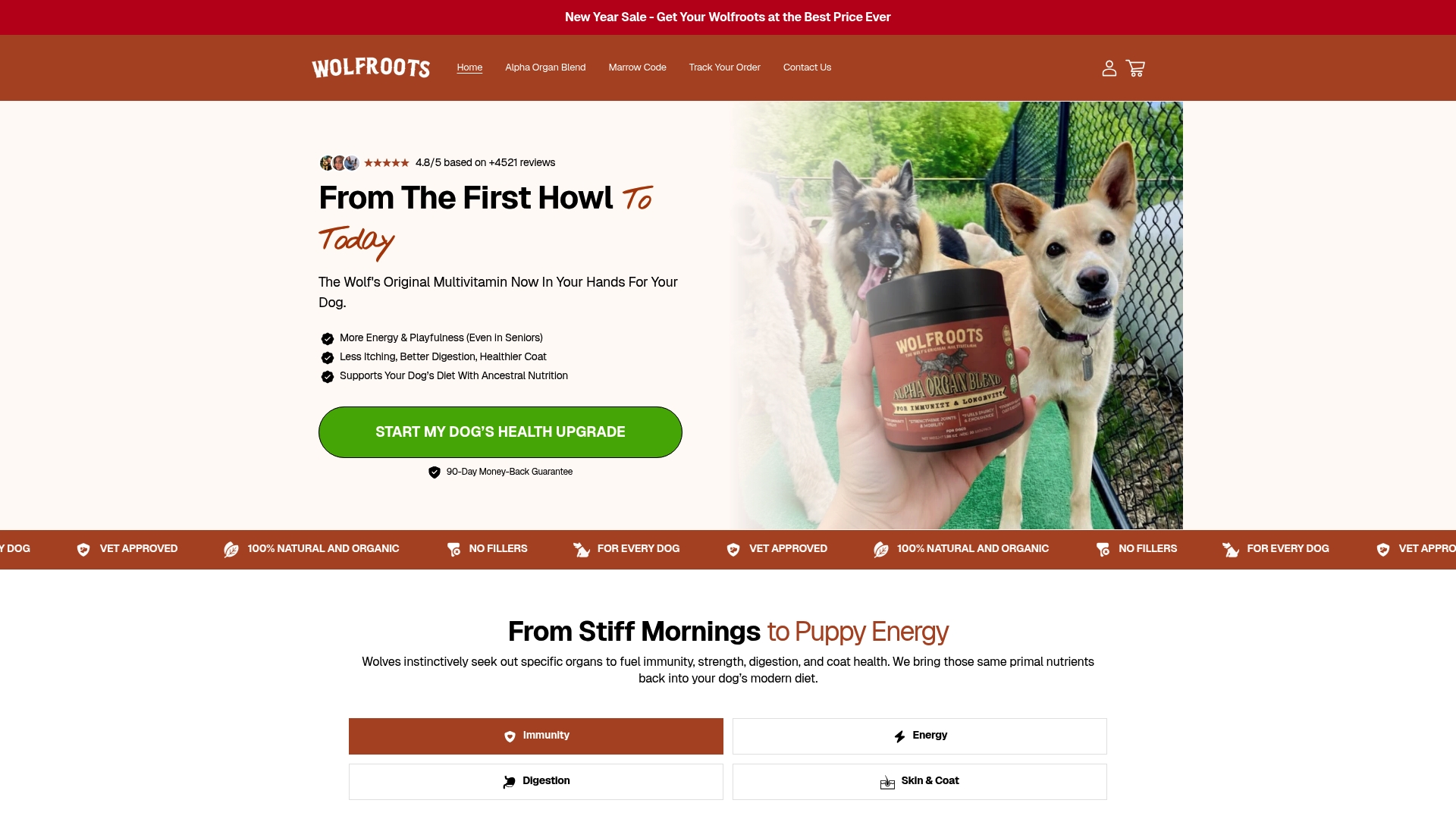
Our joint support formulas combine synergistic ingredients at clinically effective doses, targeting inflammation, cartilage repair, and joint lubrication simultaneously. These products are specifically designed to improve mobility in senior dogs, reduce joint discomfort, and enhance overall vitality through primal nutrition principles. Whether you’re just starting to notice subtle stiffness or managing advanced joint issues, you’ll find solutions backed by both veterinary science and ancestral nutrition wisdom.
Explore our complete selection of vet-approved dog health supplements to find the perfect match for your dog’s needs. Check out our guide to the best dog supplements for senior dogs for detailed product comparisons and usage recommendations. Learn additional strategies to support dog joints naturally through diet, exercise, and lifestyle modifications that complement supplementation. Your dog deserves the mobility and comfort that comes from truly effective, science-based natural joint support.
Frequently asked questions
What is the fastest way to see results from canine joint supplements?
Results typically appear between four to 12 weeks with consistent daily dosing of vet-approved supplements containing synergistic ingredient combinations. Using formulas that combine glucosamine, chondroitin, omega-3s, and advanced compounds like UC-II or ASU can accelerate improvements compared to single-ingredient products. Your dog’s age, severity of joint damage, and overall health also influence how quickly you notice mobility gains.
Are natural canine joint supplements safe for all dogs?
Vet-approved and third-party tested supplements are generally safe for most dogs when used according to dosing guidelines. However, you should always consult your veterinarian before starting any supplement regimen to rule out potential allergies, interactions with existing medications, or contraindications based on your dog’s specific health conditions. Natural doesn’t automatically mean safe without quality control and professional guidance.
How do I know if my dog needs joint supplements?
Watch for signs including morning stiffness, reluctance to jump or climb stairs, difficulty rising from lying down, limping, reduced activity levels, and visible joint swelling. Veterinary diagnosis through physical examination and sometimes imaging ensures you’re addressing actual joint issues rather than other conditions causing similar symptoms. Early intervention with supplements preserves more joint function than waiting until severe arthritis develops.
Can I use joint supplements alongside my dog’s medications?
Always inform your veterinarian about all supplements and medications your dog takes to avoid potential interactions. Your vet can advise whether specific supplement ingredients might interfere with prescribed drugs or enhance their effects. In many cases, joint supplements complement pharmaceutical treatments, potentially allowing dose reductions of medications with side effects, but this requires professional supervision and monitoring.
Recommended
- What Is Joint Support for Dogs: Key Benefits – WolfRoots
- How to Support Dog Joints Naturally for Lasting Relief – WolfRoots
- 6 Top Joint Support Options for Dogs: A Guide for Owners – WolfRoots
- How to Optimize Dog Joint Health Naturally Step-by-Step – WolfRoots
- Joint Health for Dogs | Nutrition for Mobility & Comfort
- How Hydration Supports Joint Health in Dogs